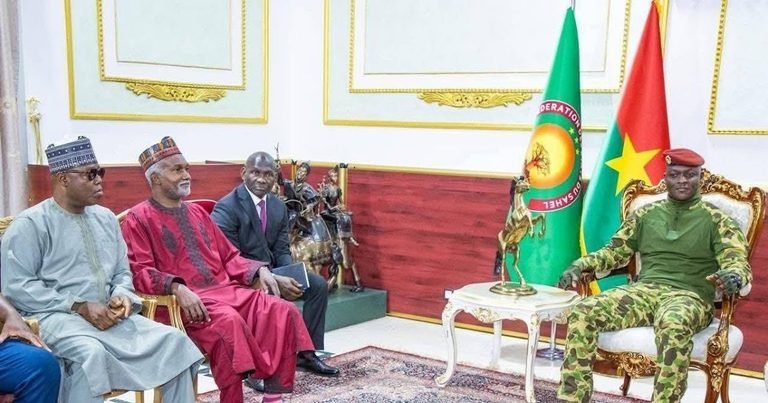

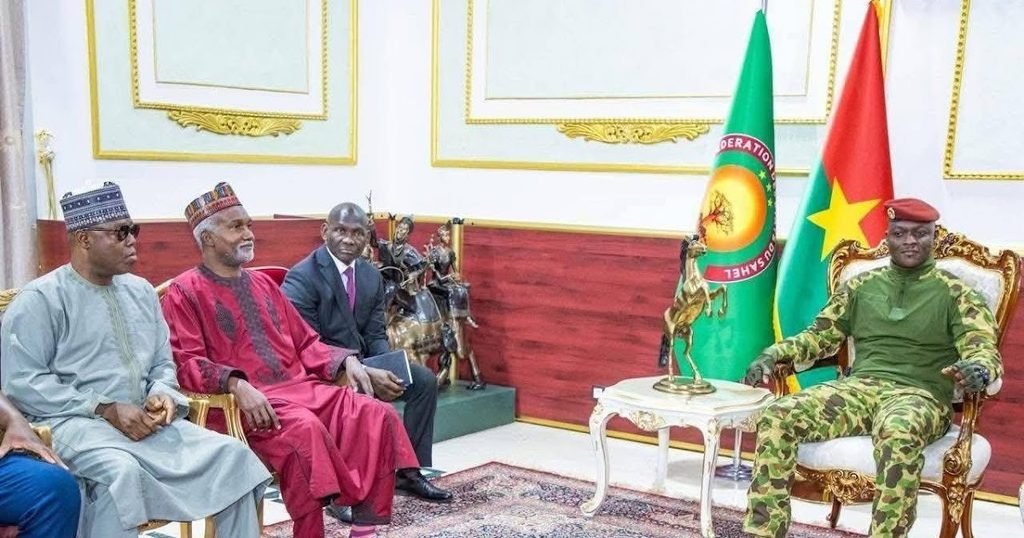
Recently, Burkina Faso described Nigeria as a natural partner and pledged stronger cooperation between the two countries. This move would spur economic opportunities and facilitate trade between citizens of the countries, particularly after the exit of Burkina Faso from the Economic Community of West African States (ECOWAS).
Karamoko Traoré, Burkina Faso’s Foreign Affairs Minister, said the Burkinabe government expects the longstanding relationship to translate into increased production, trade and opportunities for citizens of both nations. The interest in stronger economic ties is already showing on the business side. In September, Syndoph Endoni, Nigeria’s Ambassador to Burkina Faso, met with the country’s main private-sector employers organisation, the General Confederation of Faso Enterprises, to discuss expanding trade and investment between the two countries. The two sides identified transportation, manufacturing, logistics and the digital economy as areas for greater cooperation, calling for improved movement of goods and services.
One challenge is that Nigeria and Burkina Faso no longer operate under the same regional trade framework. Burkina Faso officially left ECOWAS in January 2025 alongside Mali and Niger, meaning the country is now outside the regional bloc Nigeria still belongs to. ECOWAS said at the time that goods and services from the three countries would continue to receive preferential treatment under its trade arrangements until further notice, but the change has created a different framework for economic relations between Nigeria and Burkina Faso.
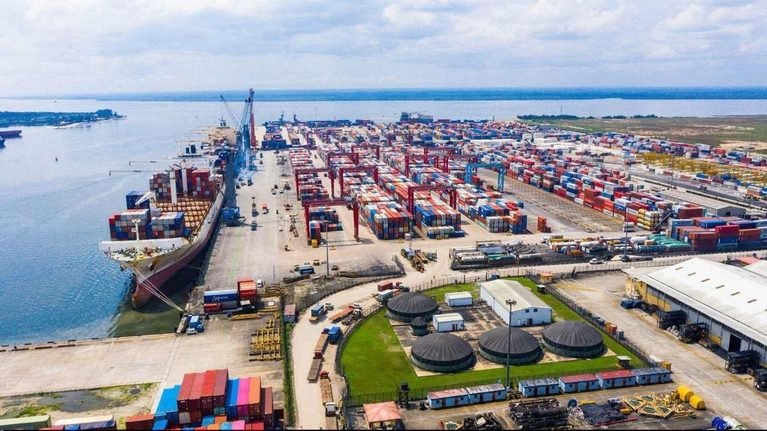
For businesses, the bigger concern is what these regional changes mean at the border. Moving goods between Nigeria and Burkina Faso involves long-distance road transport, customs procedures and other border requirements, all of which can add time and cost to trade. The World Bank has identified customs delays, inefficient logistics and weak transport infrastructure at African borders as major obstacles to regional trade, making it harder for businesses to take advantage of the nearby markets.
The current trade figures show just how much room there is for growth. Nigeria exported $38.84 million worth of goods to Burkina Faso in 2025, accounting for only about 0.07 percent of Nigeria’s total exports that year, while imports were only about $4,200. The figures show that trade between the two countries remains limited. Nigeria exports goods to Burkina Faso, but the former imports almost nothing in return, leaving trade between the countries heavily tilted in Nigeria’s favour.
According to the African Development Bank, Burkina Faso faces some of the highest transport costs globally. As a landlocked country, it depends on road corridors through neighbouring countries to access international markets. For Nigerian businesses seeking to trade with Burkina Faso, these costs can affect the price and competitiveness of goods transported across the border, making efficient transport links important to expanding trade between both countries.
Analysts argue that regional trade agreements alone cannot deliver strong economic integration without cross-border businesses. The World Bank emphasises the need to connect production, reduce trade barriers, and make regional agreements work in practice. The bank said African countries should “streamline customs, introduce risk-based inspections, strengthen national single windows, simplify rules of origin, improve logistics regulation, open transport and services markets, and align industrial policies with regional sourcing and demand.”