
For years, the Nigerian government has faced intense industrial disputes from workers across multiple sectors. The recent nationwide strike by the National Association of Resident Doctors (NARD) adds to this long list, with severe consequences for ordinary Nigerians.
Since the strike began on November 1, more than 11,000 resident doctors across 91 federal teaching hospitals and medical centres have withdrawn their services.
Driven by the same demands made in 2023, NARD has realised only a tiny fraction of its agitation. Yet, the health sector represents just one front in a wider war over unmet demands. Nigeria’s tertiary education system dangles on the brink of another prolonged shutdown, reminiscent of the eight-month Academic Staff Union of Universities (ASUU) strike in 2022. These recurring crises raise a critical question: why does Nigeria maintain a persistent culture of unmet demands and failing systems?
ASUU’s recurring strikes best illustrate this pattern. The FG–ASUU 2009 Agreement, which outlines critical interventions for Nigeria’s deteriorating tertiary education, anchors the union’s key demands. Between 2010 and 2022, ASUU embarked on eight major industrial actions. Each strike disrupted the academic calendar, halted student progress, and delayed graduations. Unfortunately, the government failed to avert these crises, abandoning the public education system to decaying infrastructure and inadequate staff welfare.
The health sector suffers similar systemic failure. Between 2013 and 2023, NARD were on strikes for a staggering 159 days, suspending medical services and crippling healthcare delivery. These recurring actions worsen the brain drain of medical experts, leaving the sector languishing in repeated shutdowns.
In most cases, NARD’s demands often align with ASUU’s. Both unions say they prioritise workers’ welfare and remuneration agreements. Poor infrastructure also remains a key concern in NARD’s push for a functional healthcare system.
This pattern of government neglect underscores the urgent need to address systemic decay. When governments treat workers’ entitlements as privileges rather than rights, institutional failure becomes inevitable. The cycle spans across all levels.
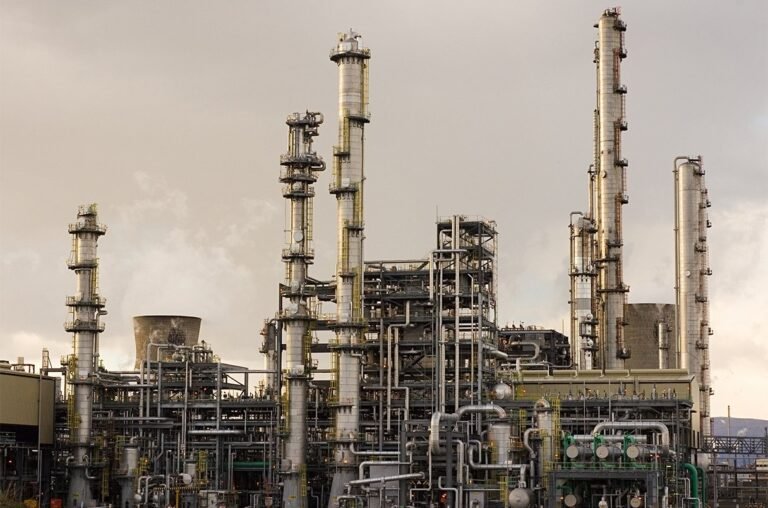
In Osun state, for instance, the Judicial Staff Union of Nigeria (JUSUN) has remained on strike since September, while the Nigeria Union of Local Government Employees (NULGE) began its own shutdown in February 2025. At the national level, the PENGASSAN strike against the Dangote Refinery triggered a 33 percent increase in the price of cooking gas, deepening the economic burden on citizens. In each case, ordinary Nigerians pay the price for government inaction.
These actions impact institutional stability. Public universities in Nigeria have suffered a severe standard decline. Rankings now consistently place private universities at the top, contrasting sharply with developed nations where public institutions lead the race. Nigeria’s health sector lacks the capacity for advanced services like comprehensive cancer treatment, neurosurgery, and organ transplants.
The government needs to implement actionable strategies to avert strikes. Unions often begin with conciliatory efforts before issuing ultimatums. Authorities must address these demands promptly when they align with the public interest. While the National Industrial Court often dismisses strikes, the government must do more to end the culture of unmet demands and safeguard public wellbeing.
Oluwaferanmi Bello is a 2024 JLF Alumni and currently a Fellow of African Liberty.