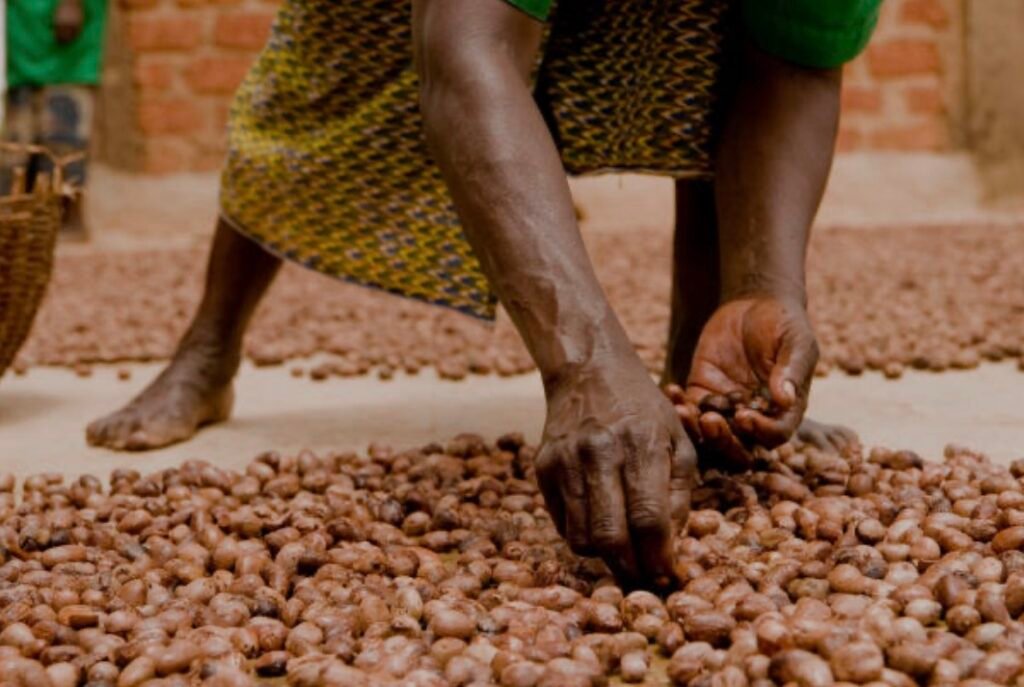
The Nigerian government is set to review the policy banning the exportation of shea nuts for six months.
Speaking at a Stakeholders Validation Session on the Shea Nut Ban in Abuja on Thursday, Jumoke Oduwole, the Minister of Trade and Investments, stated that the review process is necessary to alleviate the suffering of rural women, exporters, and processors, BusinessDay reports.
Last August, President Bola Tinubu approved a six-month restriction on the export of raw shea nuts. The move was intended to boost domestic value addition, strengthen industrial capacity, and create jobs within Nigeria’s agricultural value chain. But this policy has driven down prices, disrupted long-established trade, and left women collectors and small traders absorbing the financial losses.
A report earlier published by The Liberalist revealed how the policy, though intended to boost local processing, became a nightmare for many. Drawing from the interviews of the victims of the policy, it chronicled the systematic suffering of rural women who spent years building sustainable incomes in the shea business, only to encounter significant losses following the six-month export ban.
Oduwole confirmed these findings at the Stakeholders Validation Session. She said despite the government’s intention to boost local processing, the policy has affected some stakeholders in the industry.
“We have women from Nassarawa, we have large processors, we have smaller processors, we have the pickers, the entire value chain, the aggregators, the exporters, It’s important that we balance the nuances of industrialisation, of trading, and of course of bringing in investment to hit the $1 trillion economy,” said Oduwole.
While calling for a transparent and evidence-based assessment of the policy’s impact, Abubakar Kyari, Minister of Agriculture and Food Security, acknowledged that the ban was introduced abruptly. He emphasised, however, that the government remains open to an objective reassessment.
“The government is not out there to punish its people, it’s out there to make lives worthwhile, improve the livelihoods of people,” he said.