
Despite constitutional protections, Nigeria’s commitment to freedom of expression continues to face serious setbacks, a 2025 annual report released by Media Rights Agenda (MRA) reveals.
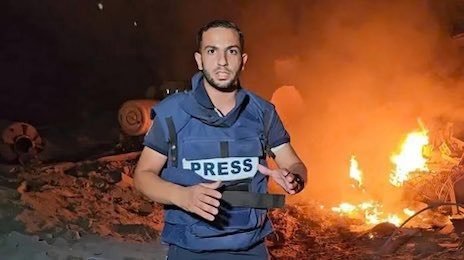
The report, titled “The Reign of Impunity,” documents a troubling escalation in attacks on the media and freedom of expression, recording a total of 86 incidents of attacks on press freedom across the country in 2025. These incidents, ranging from physical assaults to arbitrary detentions, were perpetrated with complete impunity, as not a single case was investigated or prosecuted by law enforcement agencies.
Arrests and Detentions
The most prevalent form of attack, according to the report, was the arrest and detention of journalists and citizens, which accounted for 38 cases, or roughly 44 percent of all documented incidents.
The tactics frequently employed to silence dissent and suppress critical reporting include the weaponisation of the Cybercrimes Act to target online expression. For instance, law enforcement agents arrested and arraigned Scott Iguma, an activist, for alleged cyberstalking after he posted videos criticising a real estate company. Similarly, they arrested and remanded Abubakar Idris in Kaduna for a Facebook post criticising the state governor.
Journalists were equally not spared. The police specifically target investigative reporters in this regard. For instance, officers arrested Sodeeq Atanda of the Foundation for Investigative Journalism (FIJ) after using his wife and infant child as bait. In another case, Tega Oghenedoro, publisher of Secret Reporters, suffered the same fate. Security operatives arrested the publisher in Abuja and flew him to Delta state, where he was detained without access to lawyers.
Reporters Without Borders (RSF), a non-profit global organisation, flagged Nigeria as one of West Africa’s most dangerous and difficult countries for journalists. In its 2025 World Press Freedom Index, Nigeria’s press freedom score dropped from 51 percent in 2024 to 46 percent in 2025. The decline signals rising state hostility toward the media.
Physical Assault and Brutality
Assault and battery constituted the second-highest category of attacks, according to the MRA report, with 21 recorded cases. Journalists often faced violence while covering public events or protests.
The report highlights a recurring pattern of violence against journalists covering demonstrations. For instance, during the #FreeNnamdiKanuNow protest in Abuja, law enforcement agents brutally assaulted News Central TV crew members, while the police teargassed a BusinessDay crew.
MRA also flagged government officials’ aides for serious violations of freedom of expression. In Yobe state, the governor’s chief security officer beat Babagana Kolo of the Nigerian Television Authority (NTA), while an aide to the Edo state governor assaulted Juliet Enabulele-Asein of the Edo Broadcasting Service.
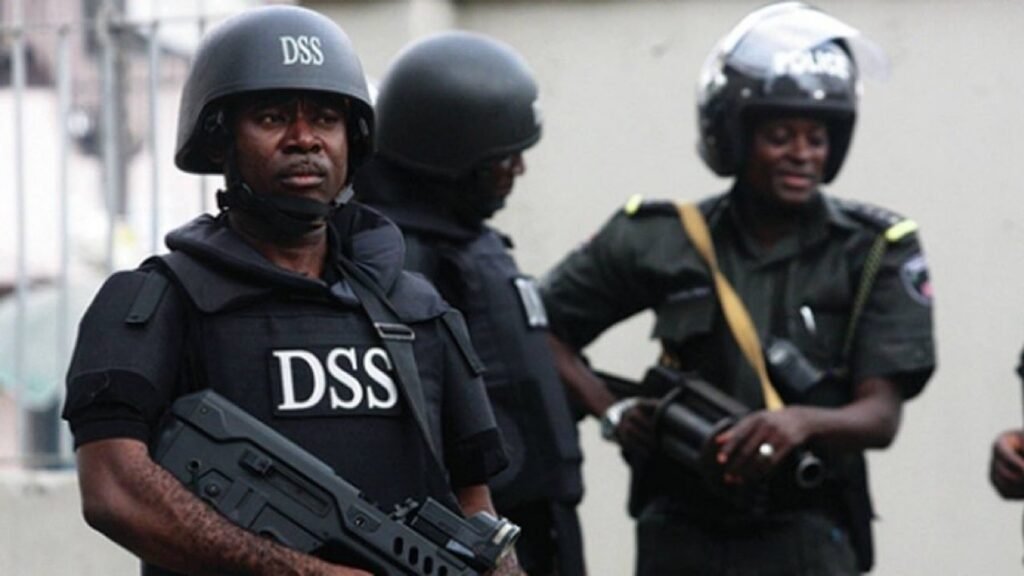
The Nigeria Police Force was identified as the worst perpetrator, responsible for 41 incidents, amounting to nearly 48 percent of all attacks. This finding aligns with a longstanding pattern in which law enforcement agencies, tasked with protecting citizens, often become agents of intimidation and harassment. A report by the Wole Soyinka Centre for Investigative Journalism (WSCIJ) similarly revealed that the Nigerian Police accounts for nearly half of all state-led infringements on citizens’ freedoms.
In 2024, between January 1 and October 31, law enforcement and security agencies were responsible for 45 out of 69 reported attacks on journalists, accounting for approximately 65 percent of the total incidents.
The MRA report also notes that attacks were widespread, occurring in 27 states and the Federal Capital Territory(FCT). Lagos state and the FCT recorded the highest number of incidents. While men were the primary targets with over 69 victims, women were not spared, with at least seven female journalists attacked.
Despite legal safeguards such as section 22 of Nigeria’s Constitution, the pervasive culture of impunity, where attacks on the press go unpunished, emboldens perpetrators and threatens the very foundation of democracy.
“Protecting journalists is not a goodwill gesture and is not optional. It is a legal obligation of the state,” the report concludes.