
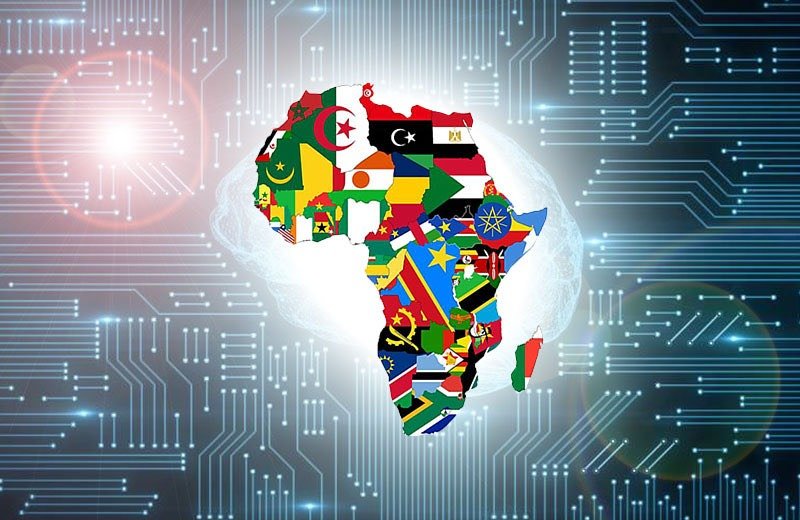
Last Saturday, China announced scrapping import tariffs for 53 African countries. This move, international trade experts say, could boost African nations’ economic development on the global market and close the trade deficit between China and the continent.
The framework, which officials expect to kick off on 1st May, covers all African nations except Eswatini, which maintains diplomatic relations with the island of Taiwan, whose sovereignty China challenges and has threatened with the use of force. Over the years, trade between China and Africa has continued to soar yet remains imbalanced.
Between January and August 2025, China’s bilateral trade with the continent reached over $222 billion. China’s exports increased to $140.79 billion, recording growth of about 24 percent over the previous year, while imports from Africa barely rose to two percent, pegged at $81.25 billion. Reports indicate Africa’s trade deficit with China surged to $59.55 billion in the first eight months of 2025, nearly matching the full-year 2024 deficit of $61.93 billion.
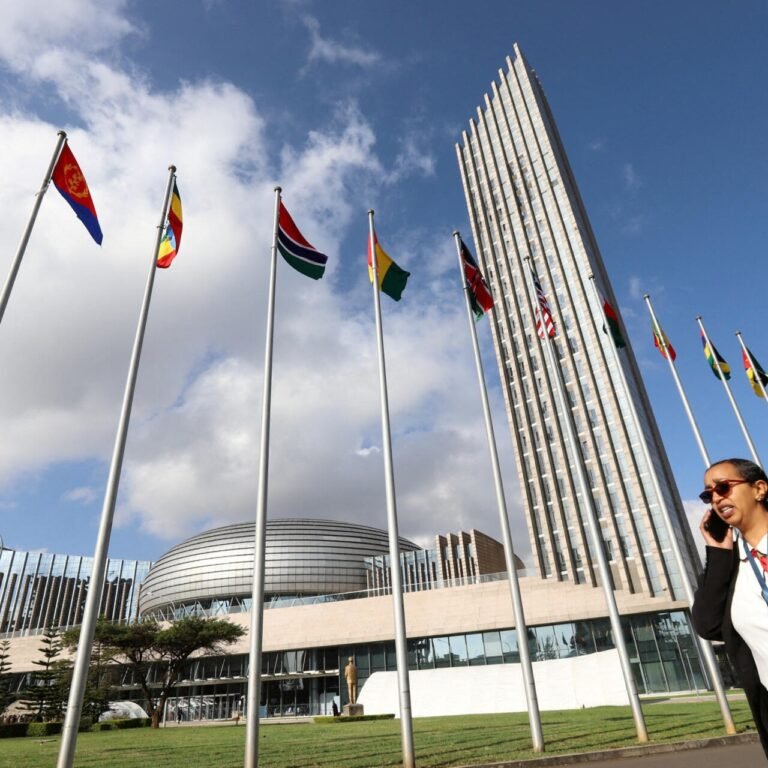
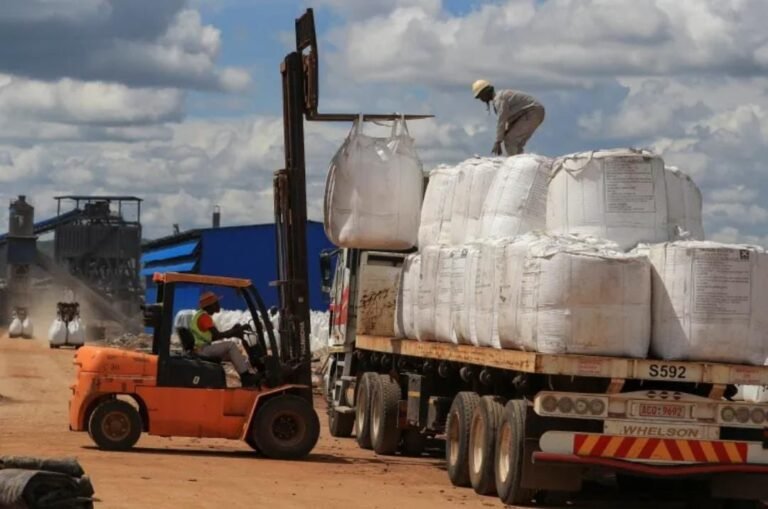
Experts say this trade imbalance shows the African continent’s reliance on raw materials such as crude oil, copper, cobalt, and iron ore, while it imports higher value-added manufactured goods from China. Speaking at the African Union’s annual summit in Ethiopia last Saturday, Chinese President Xi Jinping says the zero-tariff policy “will undoubtedly provide new opportunities for African development.” Economists estimate China will forgo around $1.4 billion in tariff revenue under the expanded scheme, strengthening its economic diplomacy and soft power on the continent, a move they expect to boost African exports and rebalance trade flows.
Before now, duty-free access applied only to some African countries. For instance, the country granted zero-tariff treatment on nearly 98 percent of tariff lines for 33 African Least Developed Countries (LDCs). Later it expanded that coverage to include all products originating from the LDCs.
For years, high import duties and opaque valuation practices have hindered trade across much of the continent. Despite China’s efforts to build Africa’s industrial capacity and to assist in the continent’s industrialisation, Africa’s exports to the Chinese market remain concentrated in low-value, primary products. Experts say that with China’s zero-tariff policy, Africa could attract new foreign direct investment (FDI) from companies that wish to evade high tariffs elsewhere.
For these companies, according to Yun Sun, a non-resident fellow of Global Economy and Development, “supply chain adjustment and setting up production or processing centers in Africa could offer another entry point into the Chinese market at a significantly lower tariff cost. That could translate into investment flows into Africa, as well as training and skilling programs for African labor to boost local capacity.”
For years, one could not overstate the impact of lower or zero tariffs on economic growth. Studies have shown that soft tariffs can lower the cost of exporting finished goods, making them more affordable for foreign buyers. These cost savings can enhance exporters’ competitiveness in the global market and contribute to their overall profitability. Research shows that when nations lower tariffs, exporters from countries enjoying tariff reductions gain a competitive advantage over exporters from countries that still face higher tariffs. Exporters can leverage this advantage to secure new business and increase market share.
Many African countries already have smooth economic ties with China. For instance, the country is already Nigeria’s largest overall trading partner, with total trade volume exceeding ₦17 trillion in 2024, which imports of machinery and manufactured goods drive heavily.
Since US President Donald Trump increased tariffs on countries worldwide last year, many African nations are increasingly looking to China and other trading partners. Prior to the recent zero-tariff policy, Kenya announced a deal allowing 98 percent of its goods to enter China without import taxes, notably eliminating tariffs on its crucial agricultural exports. Although Trump’s administration imposed the lowest tariff increase of 10 percent on Kenya, the expiration of the African Growth and Opportunity Act (AGOA) in September—a trade agreement that provided duty-free access to the US market for cars, clothes, and other items from 32 African countries—also hit the country.
While Trump has now signed the renewal of the AGOA with retroactive effect from September, many African nations see China’s new policy as a more viable alternative, with many world leaders commending the commitment.
“Africa cannot be penalised, being a continent with enormous economic difficulties, by trade policies that are restrictive and by tariffs that do not allow African products to be competitive,” says Antonio Guterres, United Nations general secretary. “We have witnessed the multiplication of tariffs in recent times, and I am a strong supporter of free trade, and I am a strong supporter of reducing the tariff levels at global level in order to be able to provide for global prosperity.”