
Analysis · Governance
After ECOWAS Exit, Burkina Faso Removes Visa-Fee for African Travellers
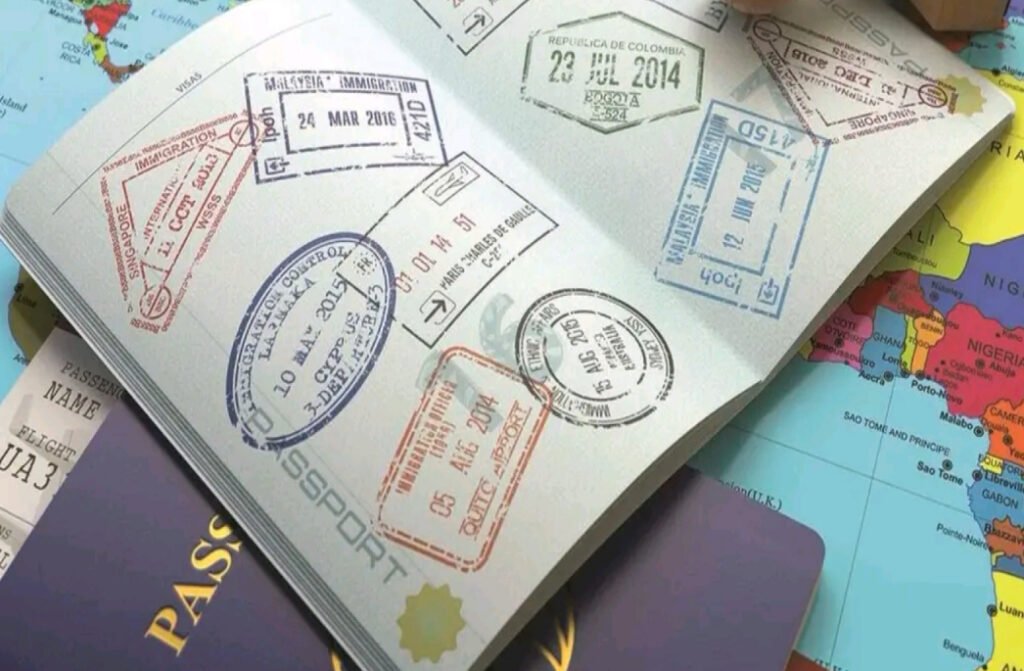
Burkina Faso has scrapped visa fees for African travellers, a move seen as both an economic boost and a strong signal of pan-African unity despite its ECOWAS exit.
 By Shereefdeen Ahmad
9 October 2025 · 2 minute read
Listen to this report
AI narration · about 3 minutes
 Quick brief
- In September, Burkina Faso announced it would scrap visa fees for all African nationals, removing fees of up to 93,500 CFA francs (about $165) for business visas, while still requiring online application approval, said security minister Mahamadou Sana.
- Burkina Faso's visa fee removal aligns with a continental trend seen in Ghana, Rwanda, and Kenya, supporting African Continental Free Trade Area goals despite Burkina Faso's recent withdrawal from ECOWAS amid political upheaval.
- Observers and analysts, including the Abraham Accords Peace Institute and CEO Seyi Adewale, suggest that relaxed visa policies can boost tourism, economic growth, and pan-African integration by facilitating movement and partnerships.
AI-generated from the story.
Share the summary
In September, the Burkinabè government announced it was scrapping visa fees for all African nationals. The decision, hailed by observers as more than a technical adjustment, marked a political statement about the country’s place in the ongoing quest for continental integration.
The announcement came from Mahamadou Sana, Burkina Faso’s security minister, who declared that “any citizen from an African country wishing to go to Burkina Faso will not pay any amount to cover visa fees.” Although visitors will still need to submit an online application for approval, the removal of one of the steepest visa costs in Africa sends a clear signal of openness.
For years, Burkina Faso ranked poorly on the Africa Visa Openness Index, sliding from 23rd in 2023 to 33rd in 2024. Before this reform, African travellers had to pay as much as 55,000 CFA francs (about $100) for a tourist visa and 93,500 CFA francs (about $165) for a business entry. Those fees, analysts argued, deterred visitors, investment, and collaboration.
any citizen from an African country wishing to go to Burkina Faso will not pay any amount to cover visa fees.
“If visa fees are too high, some tourists (and entrepreneurs) may decide to visit a different country that has more affordable visa fees or no visa requirements at all,” a study by the Abraham Accords Peace Institute reads.
But the new policy echoes a broader continental shift. Ghana, Rwanda, and Kenya have all relaxed entry rules in recent years, aligning with the African Continental Free Trade Area’s (AfCFTA) vision of a unified market. Ghana’s former President Nana Akufo-Addo championed that spirit in 2023 when he approved visa-free entry for all Africans, calling it a bold stride towards pan-Africanism.
Burkina Faso’s move, though less sweeping, falls squarely in that tradition. Because the country’s new policy, though not a fully visa-free regime, is another signpost on the road to integration.
Meanwhile, the timing is especially notable as Burkina Faso, along with Mali and Niger, recently withdrew from ECOWAS amid political upheaval, raising fears of deeper isolation. But by lifting visa fees, the Burkinabè government has signalled that its break from regional politics does not mean a retreat from pan-African ideals.
“This free visa system for African nationals will also help promote tourism and Burkinabè culture, and improve Burkina Faso’s visibility abroad,” Sana added, framing the move as both an economic and cultural strategy.
Evidence also suggests the benefits could be significant. Seychelles, long visa-free, has consistently recorded about 7 percent annual growth in tourist arrivals, while Mauritius, which clung to restrictions until 2013, stagnated at around 4 percent.
Meanwhile, once Mauritius liberalised, opening entry to 30 African nations and 75 countries worldwide, its tourism sector rebounded almost immediately.
“Relaxed visa policies like low cost or total removal of visa requirements can stimulate economic growth by attracting foreign exchange,” argued Seyi Adewale, CEO of Mainstream Cargo Limited.
Beyond economics, civil society groups argue the symbolism matters just as much. Pan-Africanists see visa waivers as chipping away at the colonial borders that continue to divide the continent. For entrepreneurs and researchers, the reform is also practical: smoother movement means smoother partnerships, a core ambition of AfCFTA.
Follow to get an email when we publish
Get The Liberalist Weekly
Every story we published this week, in your inbox each Friday. Free.
Share this story
About the author
Shereefdeen Ahmad
Senior Staff Writer
Shereefdeen Ahmad is a senior staff writer of The Liberalist and an award-winning journalist who covers human rights, health, and economic development.
More from ShereefdeenReporting like this takes time on the ground. Help keep it going.
Donate