
Analysis
Nigeria’s Centralized Federalism Is Failing Local Communities
For over 65 years of achieving self-government, Nigeria’s major issues are not addressed in local communities.

For over 65 years of achieving self-government, Nigeria’s major issues are not addressed in local communities.

…residents survive on borrowed water from private boreholes as government neglect and failed promises leave the community trapped in a daily struggle for life’s most basic need.
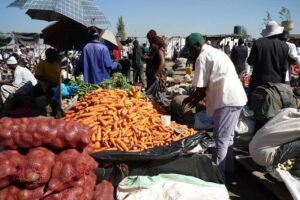
In Zambia, Soweto Market in Lusaka demonstrates how free trade, resilience, and trust actively drive economic survival despite poor infrastructure and weak institutions.

Nigeria’s shea ban could boost local production, but weak capacity and finance threaten its impact.

Reading “Ayn Rand: An Introduction” shows that standing for principle is never without cost, and Nigeria today proves that compromise is often far costlier.

East Africa’s Gen Z are rising against entrenched power, from Kenya’s Finance Bill protests to growing resistance in Tanzania and Uganda.

The Federal Government suspended the four percent customs levy after backlash over its impact on trade, competitiveness, and inflation.
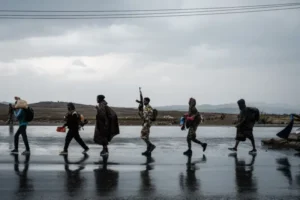
Red Sea tensions put the Horn of Africa on the edge of a new conflict.
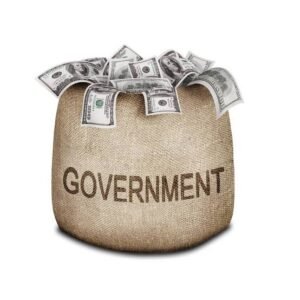
Government spending, whether through taxation, borrowing, or printing money, never creates wealth but merely redistributes or destroys it.

The new customs levy could propel a price surge in consumer goods.

In the late 1980s, Awon-Ga High School was the dream of many young children. Now, it’s their nightmare.

Ekpa warned that without effective enforcement of the rule of law, constitutional guarantees of human rights risk remaining symbolic across Africa.