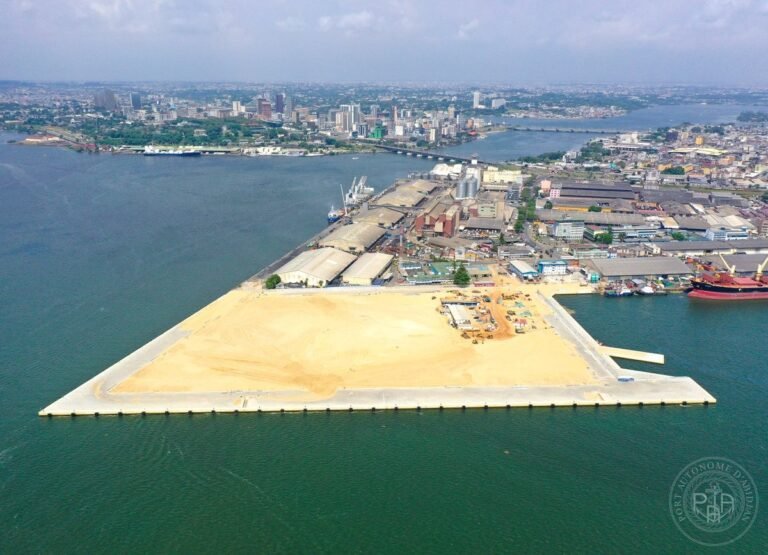

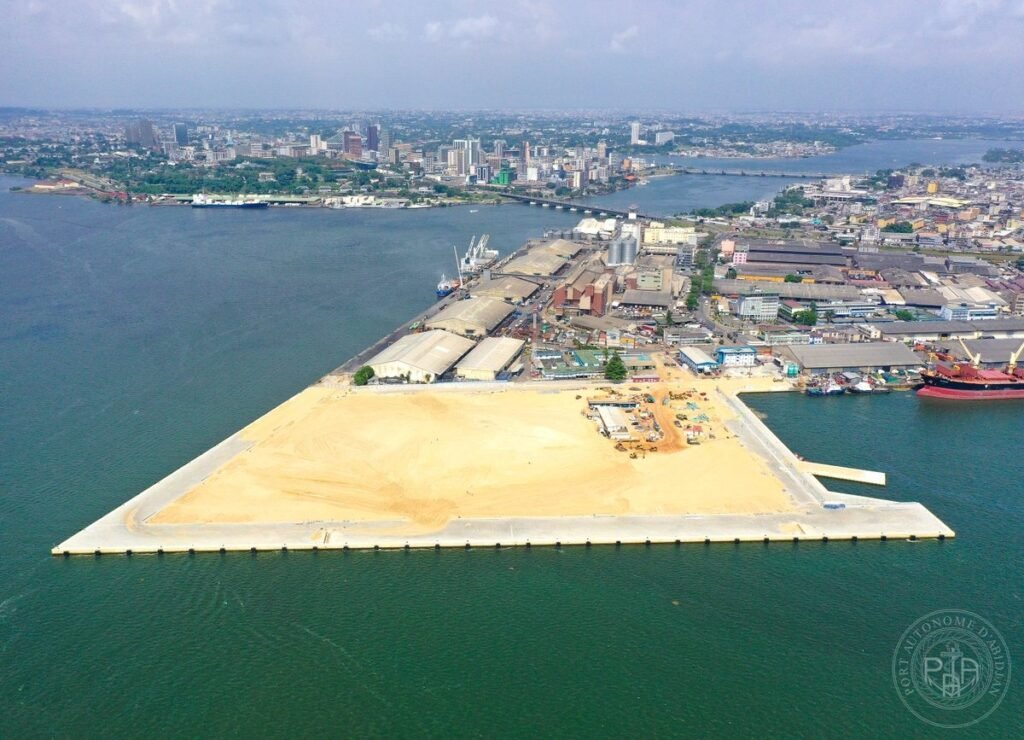
Côte d’Ivoire has scrapped the administrative bottleneck of requiring physical visas on export declarations for goods heading to Mali and Burkina Faso, a move aimed at accelerating cargo flows and preserving the country’s status as a dominant maritime hub for Sahelian states.
Before this reform, exporters moving goods through Abidjan’s ports faced mandatory administrative approvals from foreign customs authorities in Mali and Burkina Faso. This process often took several days, increased logistics costs, and slowed down supply chains. With cargo volumes increasing in recent years, the requirement became a structural administrative barrier, affecting the efficiency of one of West Africa’s busiest trade corridors.
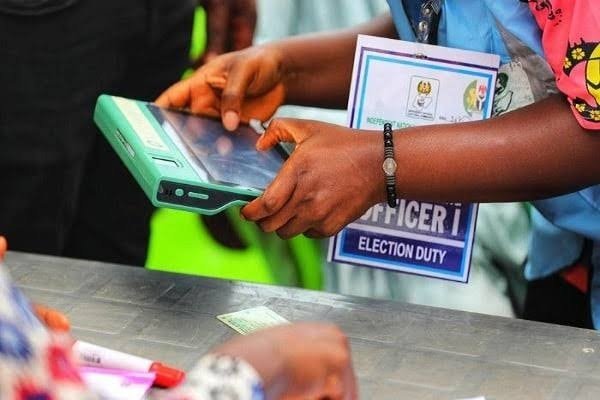
General Da Pierre, the Ivorian director general of customs, said that the policy change follows the adoption of digital transit systems that now enable real-time monitoring of goods in transit. These systems include the T1 Transit Management Module with Mali and the Interconnected System for the Management of Goods in Transit, known as SIGMAT with Burkina Faso, now replacing manual approvals. The new digital customs processes means that licensed customs brokers can now submit export declarations directly to Ivorian officials without waiting for foreign validation, cutting clearance times and improving turnaround at ports and border posts.
Mali and Burkina Faso serve as vital destination markets for Ivorian goods, with both countries accounting for over 70 percent of the Côte d’Ivoire’s intra-union exports. The recent reform comes at a time when Mali and Burkina Faso, alongside Niger, already formed the Alliance of Sahel States after exiting the Economic Community of West African States (ECOWAS). The bloc has pledged to remove trade barriers and reduce dependence on coastal intermediaries.
Last September, the Burkinabè government announced it was scrapping visa fees for all African nationals. The decision reiterated the bloc’s commitment to continental integration.
Over the years, Burkina Faso was ranked poorly on the Africa Visa Openness Index, moving from 23rd in 2023 to 33rd in 2024. Before the reform last year, African travellers paid as much as 55,000 CFA francs (about $100) for a tourist visa and 93,500 CFA francs (about $165) for a business visa. Analysts argue that those fees deterred visitors, investment, and collaboration.
Analysts say Côte d’Ivoire’s elimination of bureaucratic barriers such as visa requirements on export declarations positions the country as an efficient corridor for Sahel-bound goods, competing with alternative routes through countries such as Ghana, Togo and Benin.
The policy is expected to lower transaction costs, enhance the competitiveness of Abidjan’s logistics framework, and stabilise supply chains for essential goods flowing into the Sahel. The move also aligns with the broader ambitions of the African Continental Free Trade Area (AfCFTA), which seeks to eliminate non-tariff barriers and facilitate seamless intra-African trade.