Economy · Free Market
Explainer: What Duty-Free Imports Mean for Ordinary Nigerians
Experts believe when importation is expensive, costs of living soar and essential commodities become unaffordable.
 By Shereefdeen Ahmad
11 July 2024 · 1 minute read
Listen to this report
AI narration · about 2 minutes
 Quick brief
- Nigeria's government plans to allow duty-free importation of food items for 150 days to address inflation and food scarcity, though the decision is not yet official, according to authorities.
- The National Bureau of Statistics reports Nigeria's food inflation rate at 40.1 percent, surpassing the general inflation rate of 33 percent, with import tariffs between five and 35 percent worsening affordability.
- Spokesperson Bayo Onanunga stated President Tinubu is committed to food security, noting similar duty suspensions were adopted by Zimbabwe and Kenya in 2023 to reduce food prices and inflation.
AI-generated from the story.
Share the summary
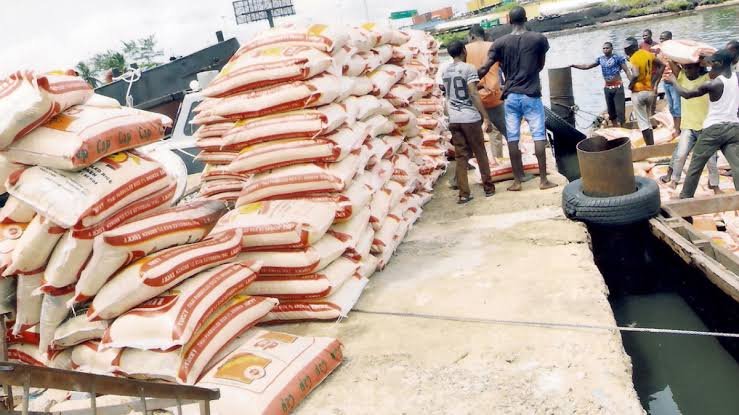
As Nigeria grapples with widespread food scarcity, the government’s decision to allow duty-free importation of food items is geared towards finding authentic solutions to inflation and the soaring cost of food.
This government initiative duties are supposed to last for 150 days, but authorities say the decision is not yet official.
A recent data by the National Bureau of Statistics (NBS) shows Nigeria’s food inflation rate stands at an alarming 40.1 per cent, far exceeding the general inflation rate of 33 per cent. The country’s import tariffs, ranging from five per cent to 35, have exacerbated the problem, making imported commodities unaffordable.
Nigeria’s import tariffs rate is listed among the highest in Africa. Experts believe when importation is expensive, costs of living soar and essential commodities become unaffordable.
“As our nation confronts a critical food security challenge,” Bayo Onanunga, the spokesperson to Nigeria’s President Tinubu, said in a statement. “Let me reiterate Mr. President’s unwavering commitment to attaining food security and ensuring that no Nigerian goes to bed hungry.
Nigeria is not the first to adopt the approach. In 2023, the Zimbabwean government relaxed import duties on several basic food commodities to tackle inflationary pressure. The Kenyan government also adopted the same measures in 2023.
By suspending duties, tariffs, and taxes on food commodities, the government aims at driving down prices, and ensuring food security for all Nigerians.
Follow to get an email when we publish
Get The Liberalist Weekly
Every story we published this week, in your inbox each Friday. Free.
Share this story
About the author
Shereefdeen Ahmad
Senior Staff Writer
Shereefdeen Ahmad is a senior staff writer of The Liberalist and an award-winning journalist who covers human rights, health, and economic development.
More from ShereefdeenReporting like this takes time on the ground. Help keep it going.
Donate