
Africa’s democratic trajectory continues to face mounting gridlock as political rights and civil liberties decline across much of the continent, a 2026 Freedom in the World Report reveals. While a few African countries demonstrate resilience through electoral progress and institutional reforms, the broader pattern shows a region grappling with authoritarian resurgence, conflict, and weakening democratic safeguards.
The report, which evaluates 195 countries using a 100-point scale across political rights and civil liberties, finds that global freedom declined for the twentieth consecutive year in 2025, with more countries deteriorating than improving. Within the African continent, this decline is reflected in both extreme cases of state collapse and more subtle forms of democratic erosion, particularly in countries once considered relatively stable.
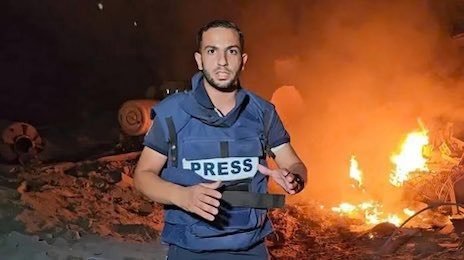
At the lower end of the spectrum, Sudan stands as one of the most striking examples of democratic breakdown. The country recorded a score of just 1 out of 100 and is classified as “Not Free,” signalling the devastating impact of ongoing conflict between rival armed factions. The war has led to widespread civilian deaths, displacement, and the near-total collapse of state institutions. For instance, a recent report reveals that Sudan is the most dangerous place for journalists in Africa and one of the most dangerous places in the world. According to the Committee to Protect Journalists (CPJ), the country witnessed the killing of nine media practitioners in 2025 alone.
But it is not only Sudan in Africa. Countries affected by military coups continue to register sharp declines. Burkina Faso, under military rule since 2022, experienced a further deterioration in 2025, losing five points as security forces and allied militias engaged in mass violence and repression. Mali presents an even more entrenched case of authoritarian consolidation. Once considered a democratic success story, it has experienced multiple coups over the past decade and now ranks among the worst performers globally, with long-term declines driven by the dismantling of democratic institutions and the indefinite postponement of elections. These cases illustrate a broader regional trend in which coups are no longer temporary disruptions but catalysts for sustained authoritarian rule.
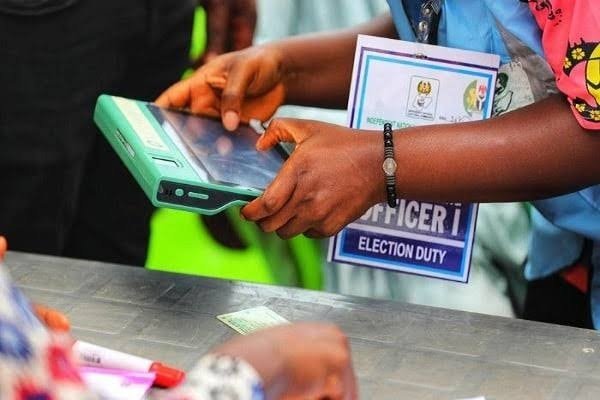
In East Africa, Tanzania exemplifies a different but equally concerning pattern:, electoral authoritarianism. The country recorded one of the steepest declines globally in 2025, losing 7 points and remaining in the “Not Free” category. The report attributes this decline to elections marked by the exclusion of opposition candidates, restrictions on media coverage, and widespread violence against protesters. According to the United Nations, hundreds of protesters and others were killed during the elections last October. Despite maintaining formal electoral processes, the government’s actions have significantly undermined political competition and civil liberties, highlighting how elections can be manipulated to entrench power rather than enable democratic participation.
Guinea-Bissau offers another instance of instability stifling democratic progress. The country experienced the largest one-year decline globally with eight points after a coup disrupted its electoral process, including the destruction of ballots. Such incidents not only weaken public trust in elections but also signal the fragility of democratic institutions in parts of West Africa, where political transitions remain vulnerable to military intervention.
Amid these setbacks, a few African countries provide evidence that democratic gains are still possible. Malawi stands out as one of Africa’s rare success stories, improving its status from “Partly Free” to “Free.” This upgrade was driven by credible elections, increased judicial independence, and a peaceful transfer of power. Gabon also recorded a notable improvement, though it remains classified as “Not Free”, the country gained points following political changes that led to modest institutional reforms. These examples suggest that while progress is achievable, it requires sustained commitment to the rule of law and democratic norms.
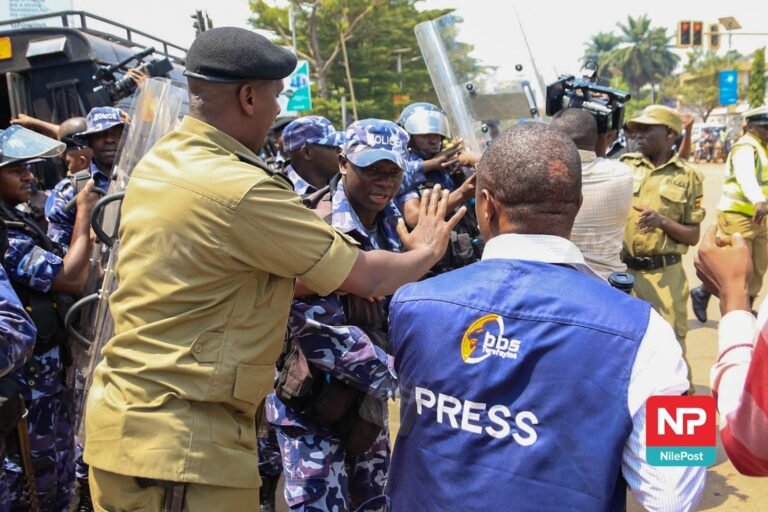
Beyond individual country cases, the report highlights systemic issues that cut across the continent. Media freedom, freedom of expression, and due process have experienced some of the most significant declines over the past two decades. Governments increasingly employ tactics such as censorship, legal harassment, surveillance, and politically motivated prosecutions to silence dissent. In many African countries, these practices have created an environment in which journalists, activists, and ordinary citizens face growing risks for expressing critical views.
For instance, despite constitutional safeguards, Kenya’s commitment to ensure a free and independent press is facing a drastic decline. A recent report by the Thomson Reuters Foundation shows a new landscape where the law is increasingly being weaponised to silence dissent and suppress public interest reporting across the country.
While in Nigeria, a report documented a troubling escalation in attacks on the media and freedom of expression, recording a total of 86 incidents of attacks on press freedom across the country in 2025. These incidents, ranging from physical assaults to arbitrary detentions, were perpetrated with complete impunity, as not a single case was investigated or prosecuted by law enforcement agencies.
The underlying drivers of these trends are said to be interconnected, which includes armed conflict, military coups, erosion of democratic institutions, and authoritarian repression. In regions like the Sahel, insecurity fuels military takeovers, which in turn weaken institutions and enable further repression.
The report also notes a reduction in support from global democracies for civil society organisations and independent media, particularly through cuts in foreign aid. For many African countries, where such support has historically played a critical role in promoting accountability and transparency, this withdrawal risks further weakening already fragile democratic systems.
“Democratic resilience will increasingly depend on stronger coordination among countries that share a commitment to freedom, the rule of law, and accountable governance,” the report reads. “As authoritarian states deepen their own cooperation across security, economic, and information domains, democracies must improve their capacity to act collectively, support one another economically and militarily, and resist coercion.”