Economy · Opinion
Stop Taxing Fuel
Fuel not only keeps our economy chugging but enables all South Africans to work and live
Listen to this report
AI narration · about 4 minutes
 Quick brief
- Since the start of the Iran war, oil prices increased by 36 percent amid uncertainty around the Straits of Hormuz, through which 20 percent of the world's oil travels, affecting global prices including South Africa's.
- The South African government plans to raise the Road Accident Fund fuel levy by 7 cents per litre, adding to existing taxes that make up a third of fuel prices, despite accusations of RAF mismanagement and corruption.
- Eskom spent R6.32 billion on diesel between April 2025 and March 2026 to avoid loadshedding, highlighting the economy's reliance on cheap fuel, and the article argues for removing fuel taxes to stimulate economic growth and job creation.
AI-generated from the story.
Share the summary
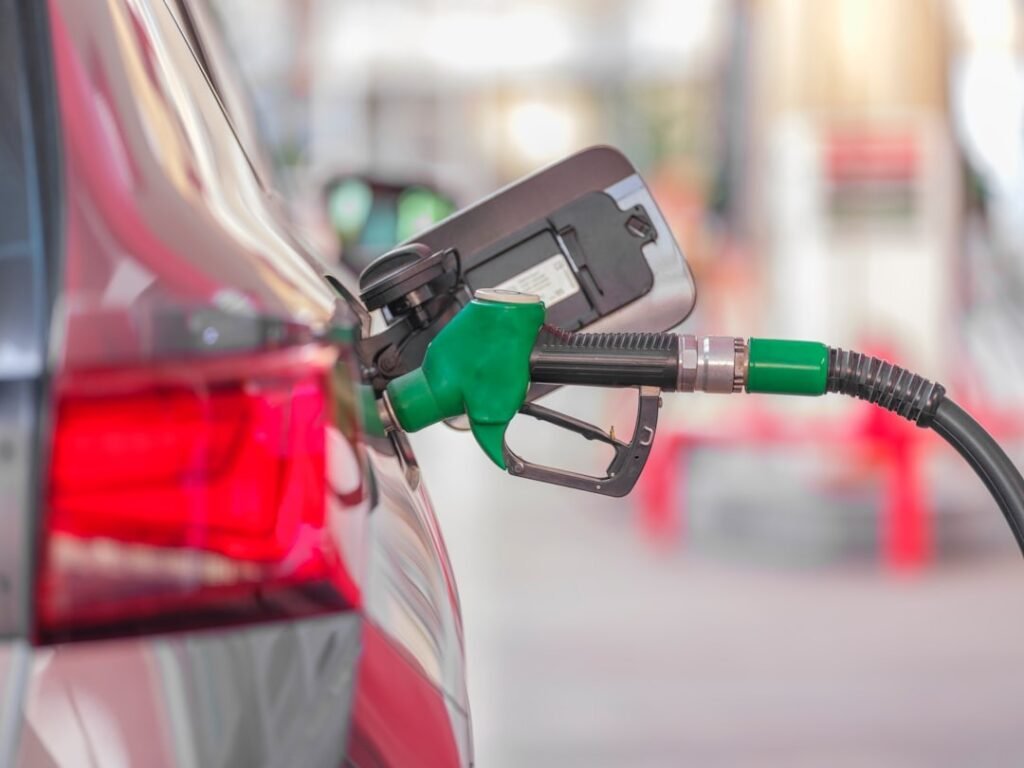
Petrol is an essential good. Fuel not only keeps our economy chugging but enables all South Africans to work and live. As we head into a possible oil crisis due to the war in Iran, the government needs to stop the anti-poor and archaic tactic of taxing petrol to make up for shortfalls in its fiscus.
Between the start of the war and when this article was being written, the price of oil had increased by 36 percent, with constant surges and plummets as policy uncertainty and the status of the Straits of Hormuz fuels speculation.
20 percent of the world’s oil travels through the Straits of Hormuz. And while South Africa gets most of its oil from Nigeria and Saudi Arabia, there will no doubt be a ripple where the price of oil across the globe rises to meet demand.
Petrol is an essential good. Fuel not only keeps our economy chugging but enables all South Africans to work and live.
On top of this, the government plans to raise the Road Accident Fund (RAF) fuel levy for the first time in five years. The RAF Levy added R2.18 to every litre of petrol and diesel and will now be raised by an additional 7 cents.
The RAF has been awash with accusations of mismanagement, bad accounting and corruption.
Even without the RAF, a third of the price of fuel goes to tax; notably, a general fuel levy and Value Added Tax (VAT). And above that, additional taxes on every level of the supply-chain continues to inflate the price of fuel. It’s taxed when it’s shipped from overseas, it’s taxed when it lands here, the transport company is taxed, the fuel depots are taxed, and the petrol stations are taxed again. And all this tax is inevitably wasted on corruption and bad policy.
Cheap fuel is the bread and butter of an economy. Workers need fuel to get to work. Every physical product requires fuel to get between A and B. Fuel is needed to keep generators running. The only reason we’ve escaped loadshedding is because Eskom has been spending more on diesel.
Between 1 April 2025 and 5 March 2026, Eskom spent R6.32 billion on burning diesel to keep the lights on; an average of R18.6 million per a day. While this burn rate has diminished slightly, the fact that we rely heavily on diesel to power the economy should make it clear the importance of cheap fuel.
When the price of fuel rises, the price of everything rises. It’s likely the single biggest source of inflation, besides mass-money printing. The knock-on effect of an oil crisis can sink an economy.
But the government can remedy this situation and help millions of South Africans escape the brunt of the fuel crisis.
Dropping the price of fuel by a third by removing all taxes on fuel would cause a positive ripple across the economy, freeing up more cash for consumers to spend and save, and allowing companies to either drop prices or re-invest the savings in growing their operations – fuelling job creation.
Petrol and diesel are essential goods. Without them, there is no economy. No food, no pumped clean water, no electricity. Petrol tax shouldn’t be treated like a get rich quick scheme by the Treasury.
The shortfall that this leaves needs to be addressed in the same way our fiscal shortfall should be addressed in general. We need to cut wasted expenditure and adopt policies that lead to job creation.
We cannot keep taxing a minority of taxpayers into the dirt. We need to enable mass employment so that the tax base widens. This simultaneously leads to less dependence on public spending, simultaneously lowering the need for high taxes in the first place.
South Africa has the tools to make life better for everyone and to make the best of a bad situation. The government must only stop seeing how it can drain the taxpayer dry and assume its role as the country’s enabler, not its abuser.
This article was first published by RationalStandard.
Follow to get an email when we publish
Get The Liberalist Weekly
Every story we published this week, in your inbox each Friday. Free.
Share this story
Reporting like this takes time on the ground. Help keep it going.
Donate