President Tinubu is Creating a Big Bureaucracy, Can Nigeria Afford It?
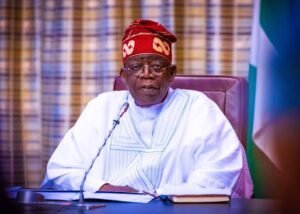
It is unsurprising President Tinubu is requesting for the approval of $8.6 billion loan as the “Federal Government’s 2022-2024 external borrowing plan”. Since he assumed

It is unsurprising President Tinubu is requesting for the approval of $8.6 billion loan as the “Federal Government’s 2022-2024 external borrowing plan”. Since he assumed

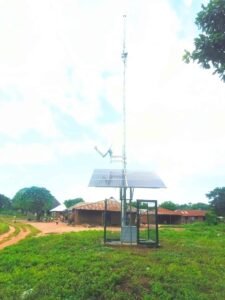
Though Adekanbi residents are not aware, the accessible telecommunication services to their villages is part of the impact of the deregulation of the telecommunication sector that started as far back as 1992.

Government policies can both propel and impede economic growth. Unfortunately, in Nigeria, abrupt shifts in policy have been more of a hindrance than a help.

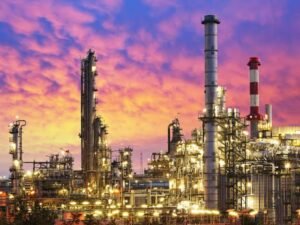
Few weeks ago, Nigerian media witnessed a buzz as Dangote Refinery finally launched its operation. Not many noticed it is the Dangote Group’s successful attempt to dominate the energy sector.

The central bank hopes that allowing the naira to find its true value will stimulate economic activity and attract foreign capital.

Private schools have been instrumental in providing education for many children, and keeping the population at the government schools moderate. However, if private schools respond to the tax policies with tuition fee increments, thousands of students would be chased away from schools. The consequence is overcrowded public schools and pupils who might be discouraged and drop out of school.

Many Nigerian youths trusted the government when introducing policies to lift people out of poverty. But a few years after the implementation, they have started feeling the adverse effects of government intervention in the economy.

In the last five years, Anambra state government has increased taxes levied on small scale businesses, causing discomfort to SME owners.

For decades, the Federal Government has monopolized the Power and Railways sector and limited state governments’ ability to provide stable electricity and efficient transportation systems to their citizens.

The cost of fuel subsidy is particularly acute in times of economic downturn when the government’s revenue is already under strain.

Our Gross Domestic Product cannot grow when people are using their productive time to queue for long hours in banks.

Although Nigeria’s decline is real, the country still has areas that can be exploited to boost overall productivity and development.
Get new insights on pro-freedom issues and current events. Subscribe to ‘Letters of Reasoning’ for weekly expert commentary and fresh perspectives.
A pro-freedom magazine to enlighten the common Africans about their rights
Stay up to date on The Liberalist with our newsletter.
By subscribing, you agree to our Terms and Conditions.
© 2026 The Liberalist. All rights reserved.
Get new insights on pro-freedom issues and current events. Subscribe to ‘Letters of Reasoning’ for weekly expert commentary and fresh perspectives.