
The legal foundations that sustain the world’s freedom and prosperity are weakening. This is the finding of the latest Atlantic Council’s 2026 Freedom and Prosperity Indexes. The report warns that the erosion of rule of law, judicial independence, and public security is making it harder for countries to translate economic potential into broad-based prosperity.
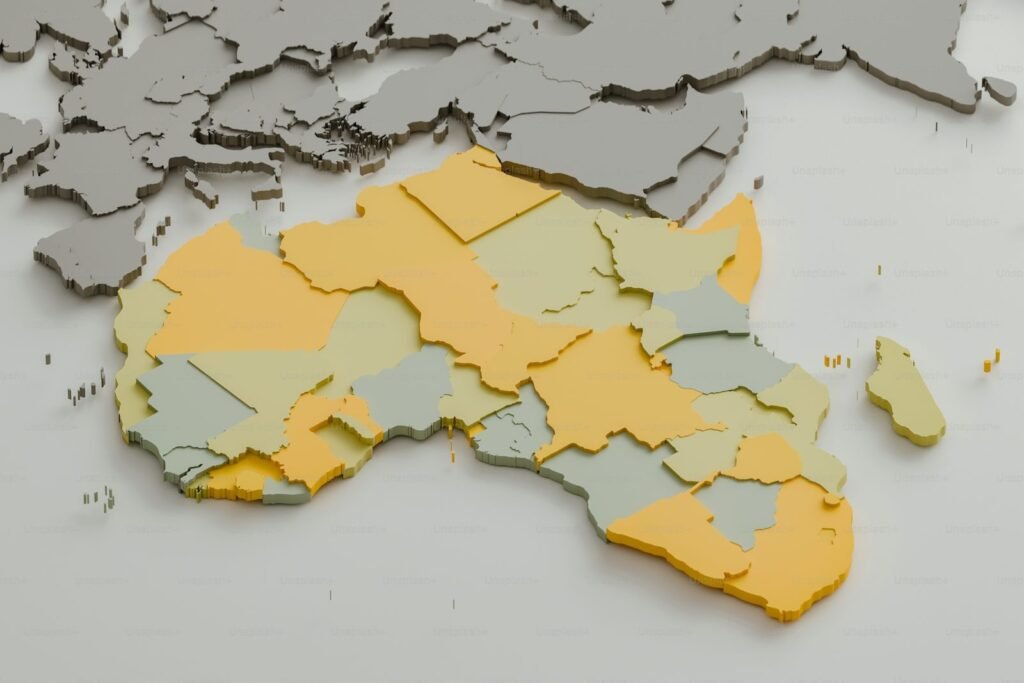
For Africa, the findings present a mixed picture. While several countries have strengthened democratic institutions and economic openness, many others continue to struggle with authoritarian governance, corruption, conflict, and weak legal systems. These setbacks are not only undermining political freedom but also slowing the continent’s long-term development.
The Indexes assess 171 countries using two broad measures: freedom, which includes political, economic, and legal liberty; and prosperity, which examines income, health, education, safety, and living standards. The 2026 edition, reflecting conditions in 2025, places particular emphasis on the decline of legal freedom in the world.
Africa’s Strongest and Lowest Performers
African countries remain underrepresented among the world’s highest-ranked nations in both freedom and prosperity. However, some states continue to stand out for relatively stronger institutions and governance.
Mauritius remains Africa’s leading performer, ranking among the continent’s top countries in both freedom and prosperity. Botswana, Cape Verde, Seychelles, Namibia, and Ghana also perform comparatively well, benefiting from more stable democratic systems, stronger rule of law, and better protection of civil liberties than many of their regional peers.
Ghana, for instance, is ranked 54th globally in freedom with a score of 71.8, placing it in the “moderate freedom” category. The Gambia ranks 62nd with a score of 70, while maintaining a moderate level of freedom despite economic challenges.
These countries demonstrate that political openness and legal stability can create a foundation for stronger economic performance. The Atlantic Council’s report reinforces this connection, arguing that freedom and prosperity are closely linked, and that countries with stronger institutions tend to achieve better long-term growth.
Nigeria’s performance reflects the broader dilemma facing many African nations, including significant economic potential constrained by weak institutions. The country, ranked 118th on freedom and 143rd in prosperity, remains one of Africa’s largest economies, yet persistent insecurity, corruption, and governance challenges continue to limit its freedom and prosperity outcomes.
The report identifies legal freedom as a critical factor in determining whether nations can sustain prosperity. In Nigeria’s case, concerns over judicial independence, bureaucratic inefficiency, and public security have long affected investor confidence and citizens’ trust in government.
Although Nigeria has made progress in areas such as digital innovation and entrepreneurship, these gains are often undermined by inconsistent policies, regulatory uncertainty, and limited accountability. The country’s experience illustrates the report’s central warning, where economic growth alone cannot guarantee prosperity if the public security and legal foundations of freedom are weak.
The lowest-performing African countries in the index are largely those affected by conflict, authoritarian rule, or severe institutional breakdown. Eritrea ranks 169th globally in the freedom index with a score of 25, placing it among the world’s least free nations. Zimbabwe ranks 146th in freedom and 137th in prosperity, while Ethiopia, Guinea, Guinea-Bissau, and Equatorial Guinea also fall into the “lowest freedom” category.
Sudan’s ongoing conflict has further deepened the continent’s governance crisis. The war has displaced millions, destroyed infrastructure, and weakened state institutions, making it nearly impossible for the country to achieve meaningful progress in either freedom or prosperity.
In the Sahel, military coups and prolonged instability continue to erode democratic governance. Burkina Faso, Mali, and Niger have all experienced political upheaval in recent years, raising concerns about the future of constitutional rule and regional stability. These trends echo the report’s broader conclusion that authoritarianism and insecurity are not only human rights issues but also major obstacles to economic development.
The Rule of Law as Africa’s Missing link
One of the most significant findings of the 2026 report is that legal freedom is declining faster than other dimensions of freedom. This includes deterioration in judicial independence, clarity of laws, public security, and the fight against corruption. For many African countries, this is the missing link between economic potential and real prosperity.
The continent possesses abundant natural resources, a rapidly growing population, and expanding digital markets. Yet without reliable courts, transparent governance, and secure property rights, these advantages may not translate into improved living standards for ordinary citizens.
The report suggests that countries which strengthen the rule of law are more likely to attract investment, create jobs, and sustain long-term growth. Conversely, nations that allow corruption, political interference, and insecurity to flourish risk falling further behind.
Analysts say Africa’s performance in the 2026 Freedom and Prosperity Indexes reveals a continent at a crossroads. Some nations are proving that democratic governance and legal stability can support economic progress. Others, however, are trapped in cycles of conflict, authoritarianism, and institutional weakness.