

Professor Patrick Lumumba, a Kenyan scholar and Pan-Africanist, has called on Nigeria to remove visa barriers for Africans, arguing that restrictions on cross-border movement hinder economic advancement and limit the continent’s wealth-generation potential.
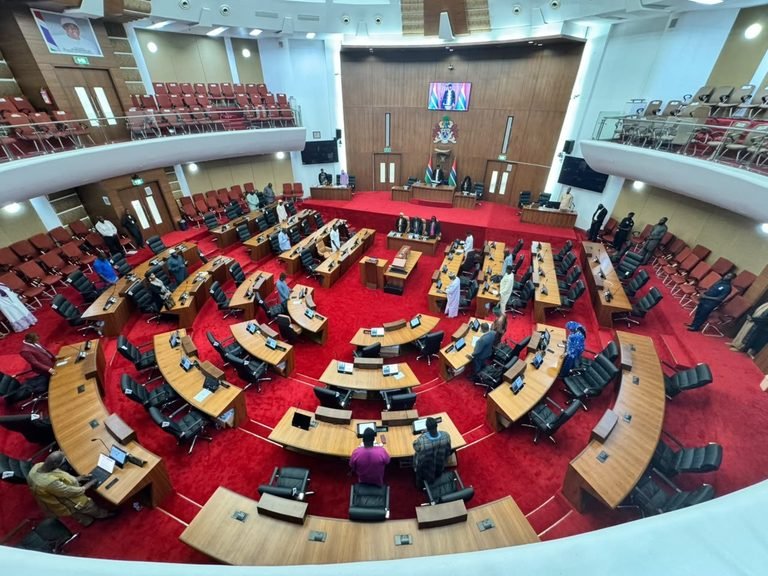
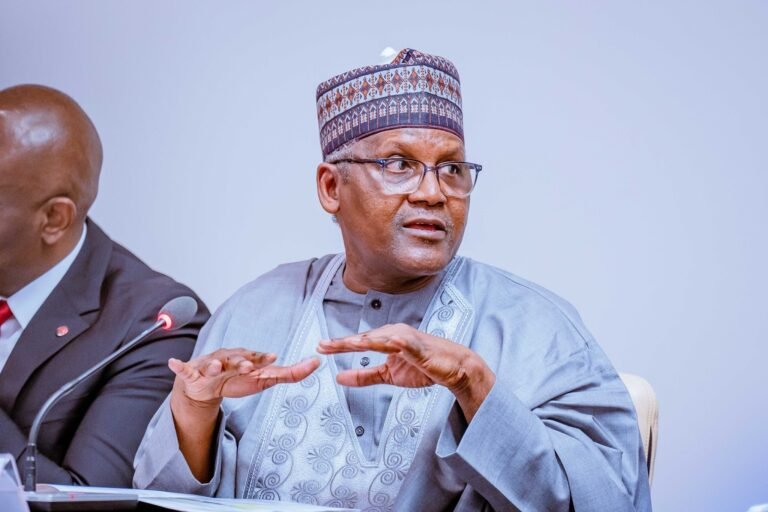
Speaking at the 2026 Delta State Economic and Investment Summit in Nigeria, Lumumba expressed deep concern over the constraints posed by visa restrictions in the country. He decried the stringent bureaucratic bottlenecks involved in accessing visas across Africa, noting that the lack of easy cross-border trading and free movement of goods remains a significant setback to economic development.
“Here in Africa, moving from one country to another remains unnecessarily difficult. We cannot build a competitive economy while remaining so fragmented,” said Prof. Lumumba.
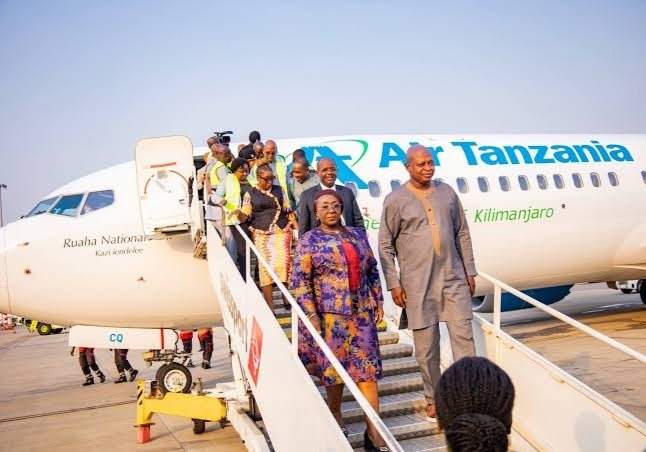
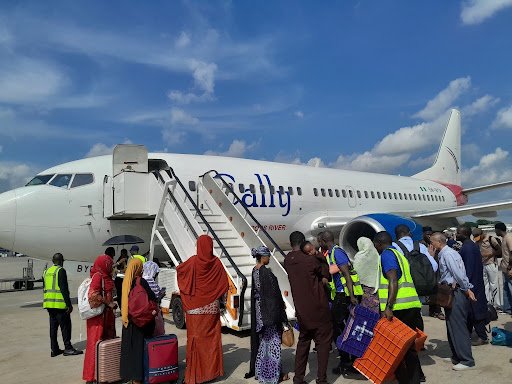
For decades, visa requirements for travel within Africa have come with stringent bureaucratic bottlenecks. Africans face delays and lengthy processes when navigating approval stages. This burden restricts business potential and undermines economic development across the continent.
As Africa’s largest economy, Nigeria has faced criticism over its visa policies, with experts at the summit urging the country to end visa barriers for Africans. Rigid visa policies have caused the country to miss out on tourism and investment opportunities. When the country recently announced its commitment to grant Rwandan citizens 30-day visa-free entry to promote business and tourism, this appeared to give only one country a free licence to explore business potential while leaving citizens of other African countries significantly excluded.
Similarly, in recent years, Nigeria has further narrowed its commitment to allowing visa-free access to a few African countries. Under the Economic Community of West African States (ECOWAS), Nigeria offers visa-free entry to citizens of the 15 member states. However, the country grants this access through a regional arrangement signed by member nations rather than establishing long-term visa-free movement across Africa.
Many other foreign nationals must also pass through the mandatory e-visa system launched to replace Nigeria’s visa-on-arrival policy. Nonetheless, the new system has further compounded the difficulties faced by applicants trying to navigate the country’s borders.
According to the Africa Visa Openness Index (AVOI), which tracks how freely Africans can travel across neighbouring countries and gives higher scores to countries that allow travel without a visa, Nigeria suffered a sharp decline after reverting to e-visa. The country dropped from sixth in 2025 to 32nd position in 2026 in the AVOI ranking.
The current demand for visa permits has extended to many other African countries, with Nigeria joining Guinea-Bissau, Mauritania and Somalia, all of which replaced broad visa-on-arrival policies with visa requirements before travel during 2025. This continued to tighten the grip on Africa’s visa freedom.
However, experts at the 2026 Delta State Economic and Investment Summit believe a more sustainable system of visa-free travel would match the objectives of the African Continental Free Trade Area (AfCFTA), established by the 54 African countries under the flagship of the African Union (AU). Part of the objectives of the union include creating a single market for goods and services to enable free movement across member nations.
To boost businesses and the economy on the continent, Lumumba said Africa must prioritise visa-free access for home-based investors without relying heavily on countries beyond the continent.
“When we think about investment, we still imagine that our investors must come from Malaysia, Brazil or China. That is not the case,” he added. “I look forward to the day when there will be no visa requirements for an African coming into this country. I look forward to the day when an investor from Ethiopia can board a plane and arrive in Asaba without visas, landing cards or exit cards.”