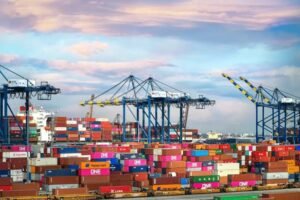
Customs Bow to Pressure, Reverse Import Levy
Studies consistently show that Nigeria’s import system faces challenges such as high tariffs, unclear valuation procedures, and frequent policy shifts, making it harder for businesses to operate.
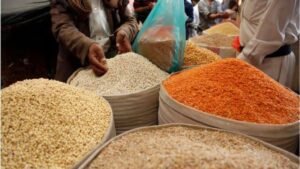
Studies consistently show that Nigeria’s import system faces challenges such as high tariffs, unclear valuation procedures, and frequent policy shifts, making it harder for businesses to operate.

From an alternate perspective, a pan-African study finds that Nigeria’s political leaders have weaponised social policies for short-term electoral gains, prioritising optics over sustainability.

…experts believe the policy is more of a disservice to the very economic situation it’s aimed to improve.

The court’s decision invalidating the imposition of a “sugar tax” is expected to alleviate the burden the new tax is meant to create.

Nigeria has made significant strides by introducing electronic visa applications, a move that proves the country’s efforts to streamline its visa process. However, the country’s high visa-on-arrival fee has an overarching effect.

There are instances where platforms silence African voices or ban their pages. For example, tech giants, including YouTube and Google, recently banned African Stream, a pan-African digital media outlet, following allegations from the United States for promoting Russian propaganda.

Economic reforms foisted by state governments affected economies across the continent.

Several African countries have a similar habit of protectionism, especially the act of restricting imports in favour of local products. But this is at the detriment of consumers who could have enjoyed lower prices of goods.

Nigeria’s current economic predicament is an imminent stopover in its unfree economy.

Nigeria’s tax reform could ease living costs, but a looming tax hike on non-essentials would sting consumers.

Experts believe when importation is expensive, costs of living soar and essential commodities become unaffordable.

Our findings revealed that by dictating to hardworking Nigerians how much to sell their goods, not only is the price control immoral, but such policies can create more scarcity and further inflate the price of goods.
Get new insights on pro-freedom issues and current events. Subscribe to ‘Letters of Reasoning’ for weekly expert commentary and fresh perspectives.
A pro-freedom magazine to enlighten the common Africans about their rights
Stay up to date on The Liberalist with our newsletter.
By subscribing, you agree to our Terms and Conditions.
© 2026 The Liberalist. All rights reserved.
Get new insights on pro-freedom issues and current events. Subscribe to ‘Letters of Reasoning’ for weekly expert commentary and fresh perspectives.