
For years, visa restrictions and bureaucratic hurdles have hindered the movement of people and goods across Africa. Nigeria, the continent’s most populous nation and largest economy, lies at the heart of this issue, missing vital opportunities to unlock its full economic potential.
Last month, President Bola Tinubu announced in Kigali, Rwanda, during the Africa CEO Forum that Nigeria would grant Rwandan citizens 30-day visa-free entry for tourism, business, and official visits. While the move appears progressive, it removes only one country from a long list.
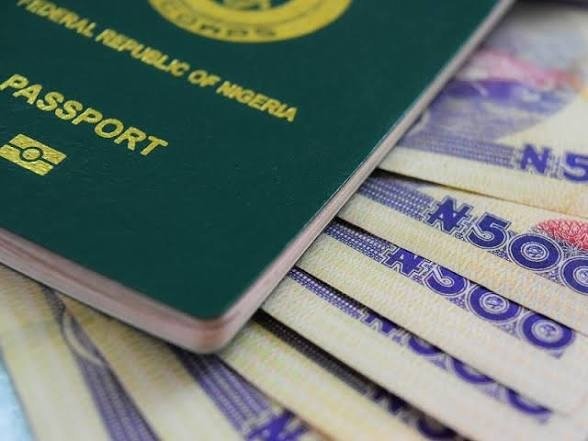
Citizens of the 15 Economic Community of West African States (ECOWAS) member countries have long enjoyed visa-free access to Nigeria. But this arrangement stems from regional agreements signed decades ago rather than an actual broader commitment to continental free movement. For most foreign nationals, entry into Nigeria still requires navigating the country’s mandatory e-visa system, introduced to replace the visa-on-arrival regime. Although designed to streamline travel, many applicants say the system has become a source of frustration.
A German consultant, who requested anonymity, told Daily Independent that his experience securing a visa for a Lagos conference was exhausting.“I applied well ahead of my trip and heard absolutely nothing for weeks,” he said. “E-mails went unanswered, and the phone number listed never connected. By the time I got a reply, my travel date had passed.”
The Cost of Entry
Over the years, a growing number of African countries have made significant progress in streamlining travel across the continent, according to the Africa Visa Openness Index (AVOI). The report says out of the 54 countries indexed in 2024, visa policies improved significantly in 17, adding to the 15 recorded in the previous year. This shift signals that African countries are becoming more accommodating to their neighbours.
This year, Togo became the sixth country to grant visa-free entry to all African nationals, officially joining the likes of Kenya, Rwanda, Seychelles, Benin, and The Gambia. Nigeria climbed from 25th place to 6th place in the 2024 AVOI, largely due to reforms such as electronic visa applications. However, high visa charges continue to discourage investors and tourists.
The AVOI report recommends that countries keep e-Visa costs affordable rather than treating visas as “an income stream for national accounts.” Nigeria appears to have taken a different approach. While the government advertises tourist visa fees ranging from $50 to $150, these figures represent only the base charges. African applicants may pay around $50, while non-African applicants can pay up to $150 before additional processing, biometric, and government fees are added. These extra charges often vary by nationality.
Meanwhile, as Nigeria remains cautious, several African countries have benefited from more open visa policies.
For instance, Rwanda, the same country Nigeria recently granted visa-free access, has emerged as a continental hub for conferences, technology, tourism, and investment. After reducing travel barriers and granting visa-free entry to all African nationals, the country welcomed more than 1.4 million visitors and generated over $620 million in tourism revenue.
Seychelles, which ranks as Africa’s most open country under the AVOI and grants visa-free entry to all African nationalities, recorded more than 398,000 visitor arrivals and generated over $1.2 billion in tourism revenue in 2025. The country also reported a visitor satisfaction rate of over 89 percent.
Kenya generated approximately $3.8 billion in tourism revenue in 2025 under its liberalised visa policy, while The Gambia recorded about 230,000 visitors under its visa-free regime.
These examples suggest that easier access often translates into stronger tourism performance and increased economic activity.
In 2025, Nigeria recorded approximately 1.2 million international tourist arrivals, representing a 20 percent increase over the previous year, according to the Nigerian Tourism Development Corporation (NTDC). While this volume contributed 0.53 percent to the global tourism market size, it pales in comparison to other nations. For instance, Kenya attracted up to 2.5 million tourist arrivals, while Seychelles drew record numbers, generating as much as over $161 million in tourism revenue in May 2025 alone. Rwanda generated over $27 million from tourism between November 2025 and January 2026, with the sector contributing over 9 percent to its national Gross Domestic Product (GDP). In contrast, the Nigerian tourism sector is valued at approximately $17.3 billion. Although analysts expect the country to receive up to 6.7 million tourists by the end of the year and project that receipts will hit $12 billion, the sector currently contributes only about 3.6 percent to Nigeria’s GDP. This falls significantly short of the 46 percent contribution in Seychelles, where tourism acts as the primary economic driver.
The Irony with Nigeria
At this year’s Biashara Afrika Forum in Lomé, Dr. Jumoke Oduwole, Nigeria’s Minister of Industry, Trade and Investment and Chair of the AfCFTA Council of Ministers, criticised border restrictions across Africa and highlighted the economic costs of limiting movement.
Less than 24 hours after her remarks, Togo announced visa-free entry for all African citizens for up to 30 days. The development raises an important question: if Nigeria advocates greater mobility across the continent, why has it not adopted a similar policy at home?
The Nigerian government argues that restrictive visa policies are necessary to address terrorism, banditry, and irregular migration. Olubunmi Tunji-Ojo, Nigeria’s Minister of Interior, has repeatedly described visas as both a migration management tool and a security mechanism.
He argues that the e-visa platform strengthens border security through digital pre-screening and integration with the International Criminal Police Organisation (Interpol) and other criminal databases. Government officials say the system has already led to the interception of individuals on Interpol watchlists at Nigerian entry points.
Yet analysts argue that security concerns alone do not fully explain Nigeria’s reluctance to embrace broader visa liberalisation.
According to the African Union and the International Air Transport Association (IATA), restrictive visa regimes suppress air travel demand, weaken tourism, and discourage short-haul regional flights that strengthen continental connectivity. For a country that aspires to become Africa’s leading commercial and financial hub, these restrictions may carry high economic costs as business travellers appear particularly affected.
“Destination attractiveness, the development of regional tourism and visa openness all play a central role in shaping travel demand,” IATA says. “For connectivity to thrive, people must be able to move easily across borders, and destinations must be accessible, efficient, and welcoming to regional travellers.”