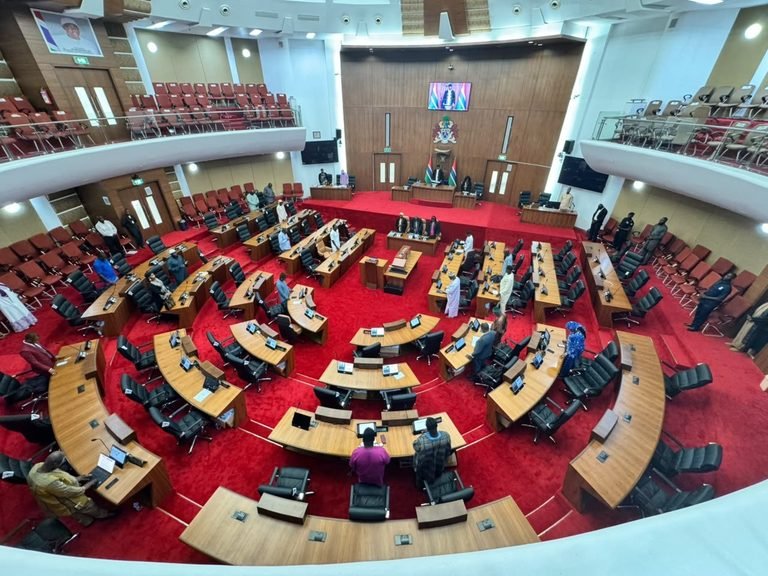


For decades, African business owners have had to fly thousands of miles to trade with neighbouring countries. They often face more bureaucratic hurdles when travelling within Africa than to Europe. This reality drove conversations at the 2026 Conference of Freedom Advocates (CFA) held on October 31st in Abuja, Nigeria’s capital.
The conference, organised by the Liberalist Centre and themed ‘ADVANCE’, brought together over 150 civil society leaders, policy advocates, journalists, researchers and students across Nigeria. Participants challenged the federal government to grant visa-free entry to citizens of all African Union member states.
In a panel discussion on the case for a visa-free Nigeria moderated by Abdullah Tijani, the Executive Director of the Liberalist Centre, speakers pointed to Kenya and Rwanda, which have taken progressive steps to ease entry for other Africans. The panelists, comprising Chike Donald, Executive Director of Simplefix Nigeria, and Tolulope Gbenro, President of the Grow with D Oracle Empowerment Foundation, discussed Nigeria’s visa policy and how open borders can boost the country’s growth. They agreed that “openness begets openness ” and that reciprocal arrangements would better position Nigeria to build strong economic ties and fulfil the promises of the African Continental Free Trade Area (AfCFTA).
The panel centred on a new Liberalist Centre’s policy brief titled “The Case for a Visa-Free Nigeria,” which examines the country’s stagnant global mobility standing. Nigeria’s passport is ranked 91st globally, with visa-free or visa-on-arrival access to just 44 of 227 destinations as of July 2026, trailing smaller African economies such as Seychelles and Mauritius.
During the panel discussions, Tolulope pointed out that policy declarations on paper must match ground realities, explaining that transit bottlenecks often undermine nominal visa waivers.

“Barbados for example claims that Nigerians do not need a visa for a stay of up to 6 months. However, entering the country may require routes or layovers that pass through the USA, UK or Canada, all of which require a visa,” she explained.
The Nigerian government often cites national security and reciprocity to justify strict border controls. But the Brief argues that terrorism, banditry and kidnapping stem primarily from porous land borders, weak rural policing and internal recruitment networks, and not from air-arrival visa policies. It also notes that ECOWAS free movement already works without triggering new security threats. On reciprocity, the research shows that Nigeria has often delayed acting on goodwill from partners such as Kenya and Rwanda, acting out of caution rather than strategy.
To correct this trajectory, the policy brief proposes a four-phase liberalisation roadmap. It recommends immediate security modernisation through biometric screening and intelligence sharing, followed by unconditional visa waivers for all AU nationals, modelled on Kenya’s July 2025 reforms.