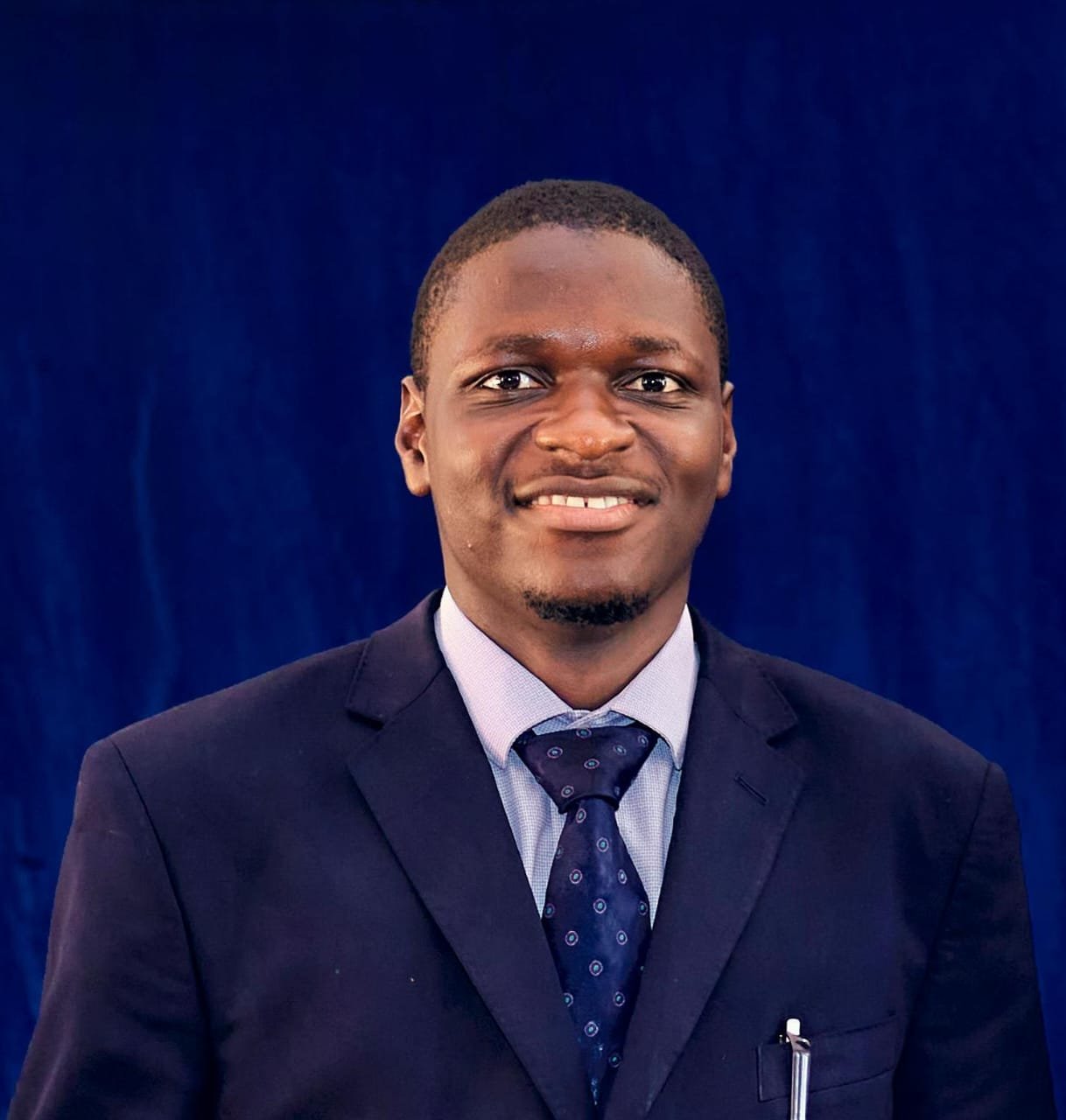
Last December, security operatives arrested Adenike Atanda, the wife Sodeeq Atanda, a journalist with the Foundation for Investigative Journalism (FIJ), and her nine-month-old baby at their home. The police detained them for hours at the Owutu police station in Ikorodu, Lagos, and coerced Mrs Atanda into calling her husband to falsely claim that their child was ill and hospitalised.
“When they realised my husband was no longer far from the house, the policemen drove me and my baby to a street not far from our home,” she told FIJ, the platform where her husband works as a senior reporter. “And when they saw him, they handcuffed him and took him away. That was when they released my baby and me.”
The police detained Atanda for hours before releasing him later that day. His only offence was exposing a case involving Adeyemi Awoyinfa, chief executive officer of Legend Adex Immigration Consult.
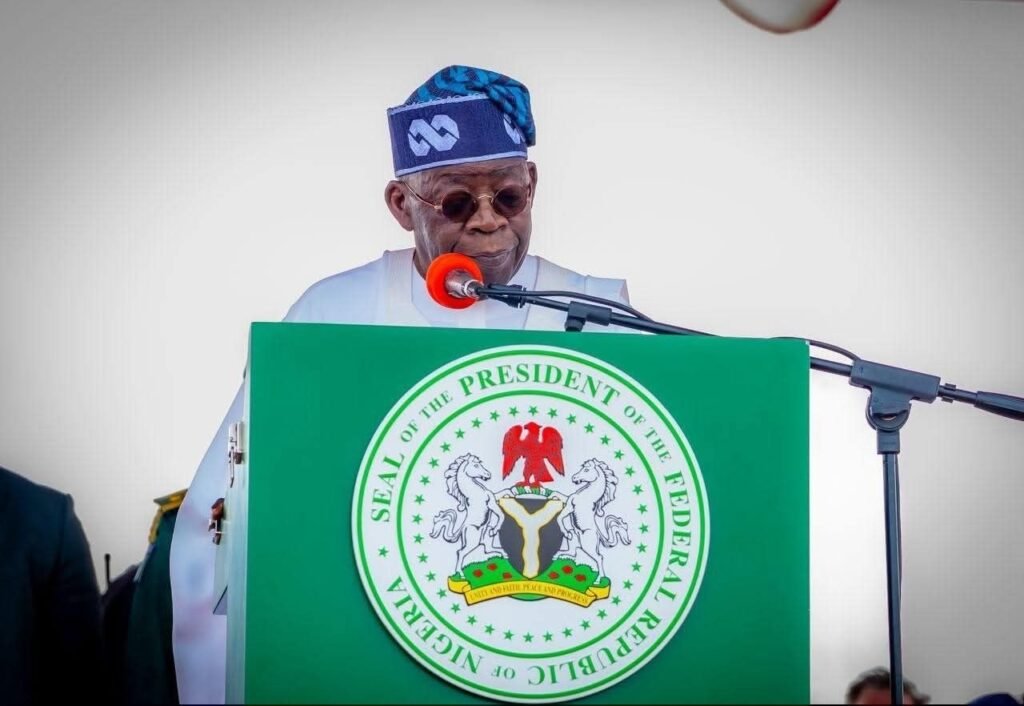
Aside from the fact that the method adopted by the security operatives contravenes Nigeria’s criminal justice laws against arrest by proxy, the journalist’s experience forms part of a series highlighting the deteriorating condition of the civic space since President Bola Tinubu took power in 2023, according to the Committee to Protect Journalists (CPJ).
In February, vice president Kashim Shettima boldly claimed that authorities had not harassed a single journalist in Nigeria since the administration took office. This blatant denial prompted CPJ to accuse the Nigerian government of attempting to erase documented abuses from public consciousness. CPJ, alongside five Nigerian press freedom groups, formally wrote to president Tinubu, presenting evidence of these attacks and expressing deep concern over the vice president’s remarks.
A recent report by CPJ said authorities have assaulted, arrested, or harassed at least 91 journalists since President Tinubu assumed office on 29 May 2023. A geographic breakdown of these incidents reveals that the Federal Capital Territory (FCT), Abuja, is the epicentre of this crackdown. Abuja alone accounted for about 30 targeted journalists, including six arrests, 22 physical attacks, and three cases of harassment, according to the report. Among those detained were Fejiro Oliver, Azuka Ogujiuba, Jide Oyekunle, Kayode Jaiyeola, and Madu Onuorah.
Lagos followed closely with 11 journalists, while Borno state recorded nine arrests, making it the second most hostile state outside the capital city. The harassment is often relentless, with CPJ indicating that several journalists, including Bernard Akede, Karina Adobaba-Harry, and Nurudeen Akewushola, faced multiple, separate incidents of attack or arrest within the same period.
The violence extended beyond interrogations behind closed doors, as security operatives opened fire on journalists covering the #EndBadGovernance protests. During these protests alone, perpetrators physically attacked multiple journalists. Reports and video clips showed policemen physically assaulting, intimidating, and violating the rights of journalists.
This abuse included News Central Television reporter Bernard Akede, whom police officers interrupted and harassed while he was reporting live from the Lekki Toll Gate area of Lagos state, disrupting the television station’s live broadcast.
In the FCT, police officers assaulted Premium Times reporter Yakubu Mohammed despite the fact that he wore a press jacket and identified himself as a journalist. Officers struck Yakubu with the butt of a gun, which caused a head injury, and damaged his camera. A policeman in Abuja also roughed up Jide Oyekunle, a Daily Independent Newspaper journalist, who serves as the chairman of the FCT chapter of the Nigeria Union of Journalists (NUJ). According to Oyekunle, the commissioner of police ordered the confiscation of his phone simply for covering the protest.
Since president Tinubu’s assumption of office, there have been verified cases of at least 231 attacks on journalists, according to Press Attack Tracker (PAT), a project of the Centre for Journalism and Innovation Development (CJID) that tracks, verifies, and documents cases of press freedom violations.
What makes this current wave of repression particularly insidious is the shift from physical violence to the weaponisation of laws against journalists. The police and other state security agencies, such as the Department of State Services (DSS), increasingly act as private militias for powerful individuals and public officials who feel embarrassed by factual reporting. Reporters Without Borders (RSF) highlighted this trend in its latest press freedom index, warning that authorities are weaponising the Cybercrimes Act to silence dissent.
While Nigeria has made improvement in the latest RSF’s press freedom index by climbing to 112th position from 122nd, the country scored a mere 37 points out of 100 in the safety indicator.
“Vice President Shettima referred to your administration as ‘a friend of the media,’ it is time to match those words with action by holding those responsible for attacks to account,” press freedom groups wrote to President Tinubu in April.