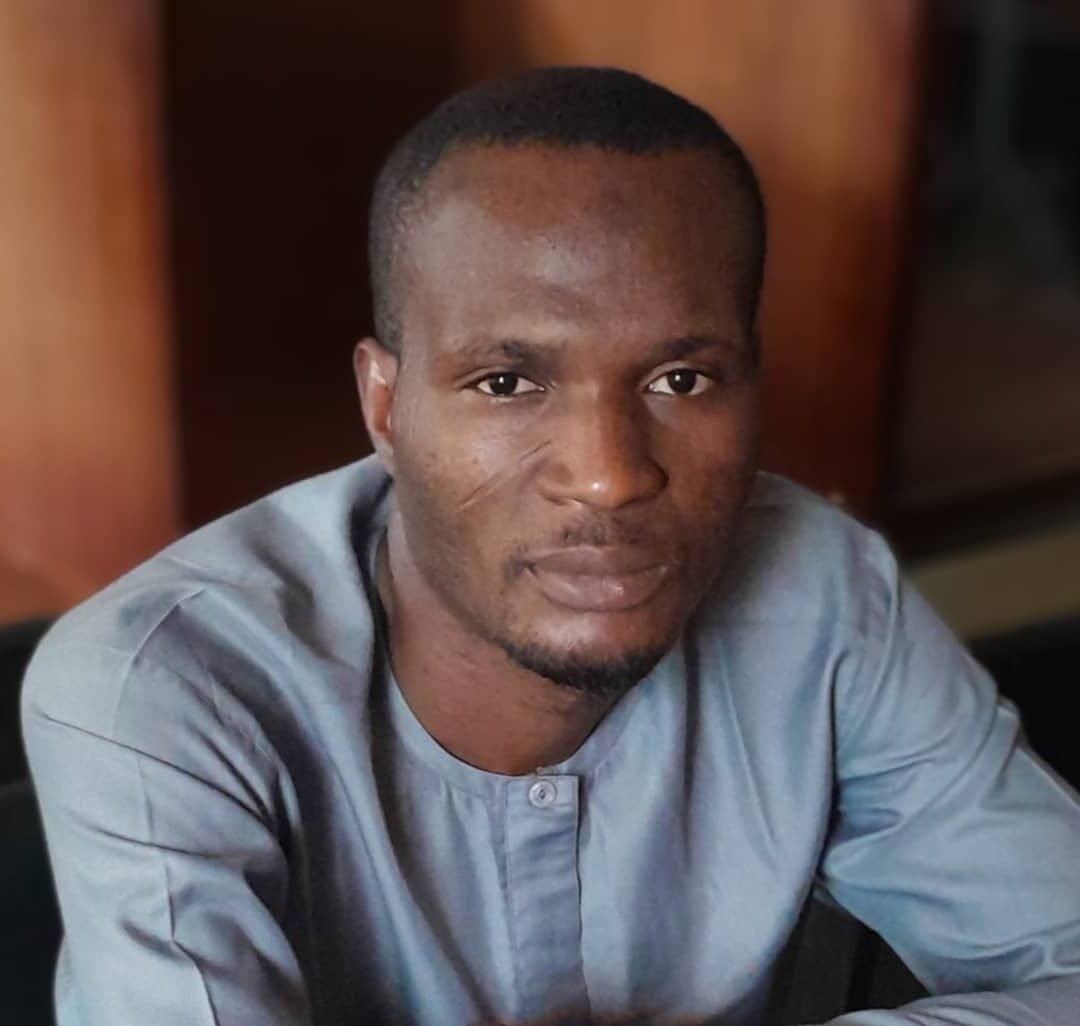
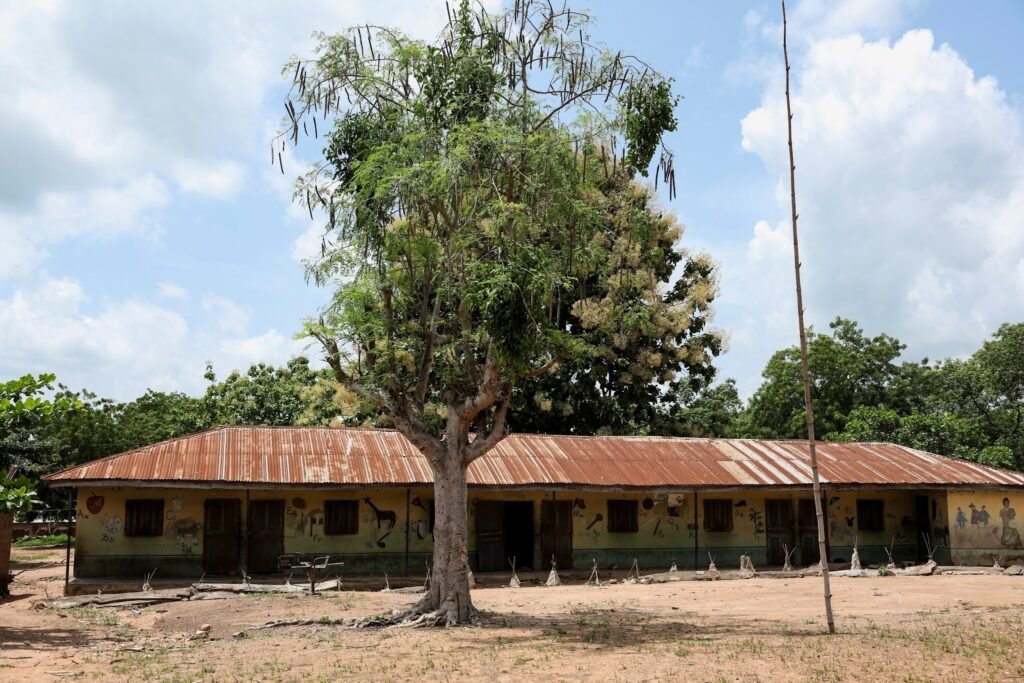
Masud Suleiman, 48, works as a daily shift guard at Government Girls Secondary School (GGSS) KaiKai, a boarding facility in Katsina state. Every day at 4 pm, he arrives to take over the duty from his afternoon colleague. He watches over the school at night alongside two policemen. Although the school had seemingly tightened security to safeguard the students and teachers against criminals, Masud soon faced a terrifying ordeal he will never forget.
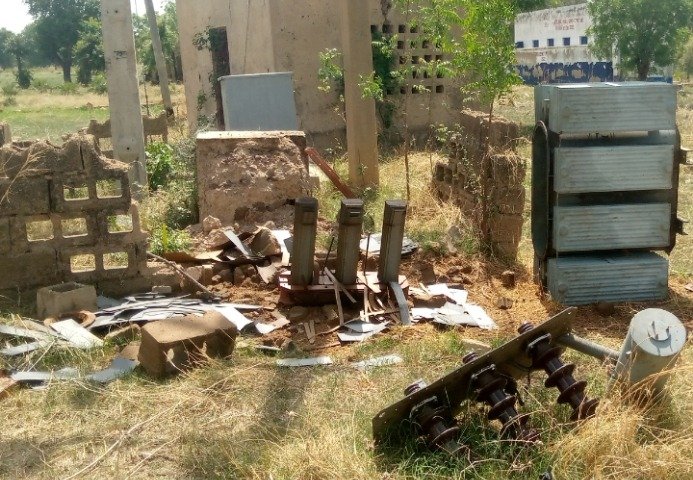
At about 3 am on a Sunday midnight in May 2026, Masud was sitting on a wooden bench holding his bright torch when five men scaled the fence and stormed the school. They overpowered him and bound his body tightly with a strong rope. Two of the men seized his torch, shone it directly into his face, and threatened to kill him if he cried out or shouted. Fearing for his life, Masud watched quietly as they dismantled a large school transformer, stole the engine, and fled.
The operation lasted for two hours, yet neither of the two stationed policemen discovered Masud’s ordeal until the following morning.
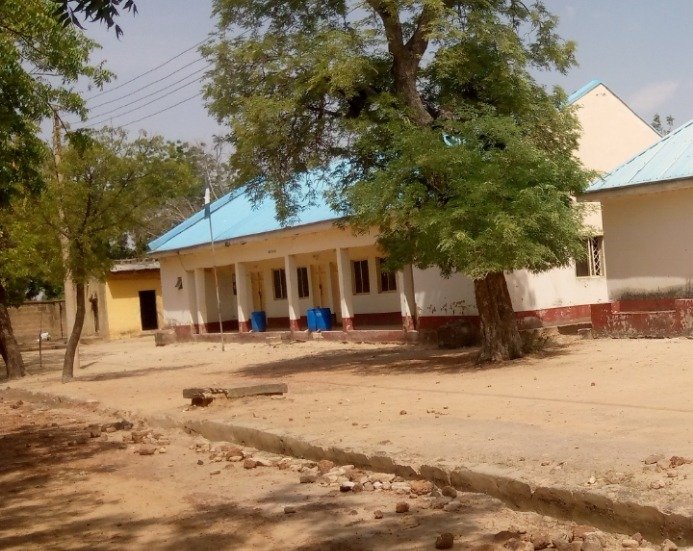
“They tied me with a rope and overpowered me because they were five in number,” he told The Liberalist. “I watched them quietly until they finished dismantling the transformer and left with what they wanted. If I had shouted that day, you wouldn’t be seeing me alive today.”
The security breach at GGSS KaiKai was not an isolated incident. A police officer identified as Obafemi posted to the school noted that just one week later, the criminals targeted a Government Boys Secondary School in the Ingawa Local Government Area of Katsina state. They evaded the guard and stole another transformer engine.
The ease with which criminals breached these two schools within a single month raises questions about school safety, particularly in the north-west, which has become a hotspot for bandits and terrorist groups in recent years.
The Rising Cases of School Children’s Kidnapping
Whenever schools are left vulnerable without proper security, terrorists inevitably exploit the gaps. This insecurity has now escalated to the south-western part of Nigeria. On 15 May this year, gunmen wearing military garb rode into Oyo state on motorcycles and descended on local schools. The residents of neighbouring villages initially remained calm, failing to recognise the strangers.
Within minutes, however, the gunmen began wielding their weapons and shooting sporadically. They then stormed Baptist Nursery and Primary School in Yawota, Orire Local Government Area, where they abducted dozens of pupils and killed a teacher.
The Oyo abduction triggered widespread panic and significant outrage across the country. In response, the Nigerian Union of Teachers (NUT) in the state refused to continue teaching under such precarious and insecure conditions.
In the past, similar incidents have rocked schools, disrupting peace and halting education. Beyond the first major Chibok girls’ abduction, which remains a bitter memory, subsequent attacks have brought eternal grief to victims’ families. For instance, last year, terrorists launched a sudden attack on Saint Mary’s Catholic School in Niger state, abducting over 300 children and 12 teachers. In the same year, bandits attacked Government Girls Comprehensive Secondary School in Maga, Kebbi state, kidnapping 25 pupils and killing a teacher. These tragic abductions continue to claim a terrifying number of victims nationwide.
Duncan Harvey, the Country Director of Save the Children in Nigeria, stated that these alarming figures and the latest wave of kidnappings must serve as a wake-up call for a country where schools and students face constant threats.
“A school should be a safe haven and a place where a child can dream of and build a better future,” Harvey said. “It should never be a place where the worst nightmares of children and parents come true. No child should ever have to choose between learning and staying safe. When a school is attacked, it is not just walls that fall; a child’s safety, dreams, and future collapse with them.”
As insecurity threatens the safety of pupils, the persistent failure to protect classrooms will only worsen Nigeria’s out-of-school children crisis. In 2026, the numbers remain staggering. Data reveals that over 18 million children currently miss out on education, over 10 million at the primary level are out of school, while 8.1 million at the junior secondary level have never been enrolled.
The Neglect of Safe-School Initiative
As part of broader efforts to safeguard education, the federal government, in partnership with a United Nations special envoy, launched the Safe Schools Initiative (SSI) at the World Economic Forum in Nigeria in 2014. The initiative aimed to tackle rising terrorist attacks on classrooms and protect students, teachers, and infrastructure from kidnappings. The project was designed to guarantee student safety and prevent the education sector from collapsing.
Stakeholders initially raised over $10 million to launch the programme, targeting 500 schools across northern Nigeria. This initiative first focused on saving the most at-risk children by building community security groups, involving local leaders, to establish safe zones.
The security project specifically focused on the physical protection of schools by providing guards, policemen, safety personnel, and communication tools. Furthermore, tangible efforts helped many institutions draft security plans and develop rapid-response systems to rebuild or repair educational materials and infrastructure destroyed in attacks.
Doris Uzoka-Anite, the Minister of State for Finance, stated that the Nigerian government remains committed to safeguarding schools and implementing the Safe Schools Initiative.
Yet, 12 years later, bandits and other terrorist groups continue to abduct students, most notably girls, from various schools across the country. Data shows that between 2014 and 2026, Nigeria recorded 26 school attacks and the mass abduction of 2,416 students across 13 states, a trend that drastically worsened the school security crisis. This ongoing violence discourages many parents from sending their children to the classroom.
The failure to properly implement the project triggered widespread public outrage, prompting the National Assembly to launch an investigation into the programme’s funding last year.
“We will track every naira and every dollar allocated to the Safe Schools Initiative,” said Senator Orji Uzor Kalu, a Nigerian lawmaker, expressing disappointment over the neglect of the project. “Idling while our schools remain unsafe, despite enormous investment and global support, is unacceptable. Nigerians deserve to know why.”
Dr Dideolu Adekogbe, an education expert and Lead Consultant at Flourish-Gate Global Consult, stressed the vital importance of fully implementing the SSI. She noted that the initiative will guarantee student safety even at the peak of regional violence.
“The initiative represents a multi-stakeholder response designed to protect education and learners during conflict,” Dr Adekogbe told The Liberalist. “To safeguard schools, the programme must practically secure premises and build community early-warning systems.”
To achieve this, Dr Adekogbe urged the government to modernise security measures under the SSI by deploying surveillance drones to monitor remote, vulnerable schools and installing solar-powered CCTV cameras equipped with emergency panic buttons.
She also recommended stationed, trained guards at every school, backed by competitive wages to ensure dedication. Furthermore, she advised the government to merge small, isolated schools in high-risk zones, particularly girls’ boarding facilities, into fewer, highly fortified institutions protected by tall perimeter fences to ensure proper monitoring.
The expert warned of severe consequences if school attacks persist across the nation. She noted that learning will collapse, enrollment will drop, and parents will withdraw their children, especially girls, from classrooms because these attacks create deep-seated fear. Worse still, a teacher exodus will trigger a severe recruitment crisis, as no qualified educator will work where their life is constantly at risk. She pointed to the recent attack in Oriire Local Government Area, Ogbomoso, Oyo state, as a vivid example of this looming threat.