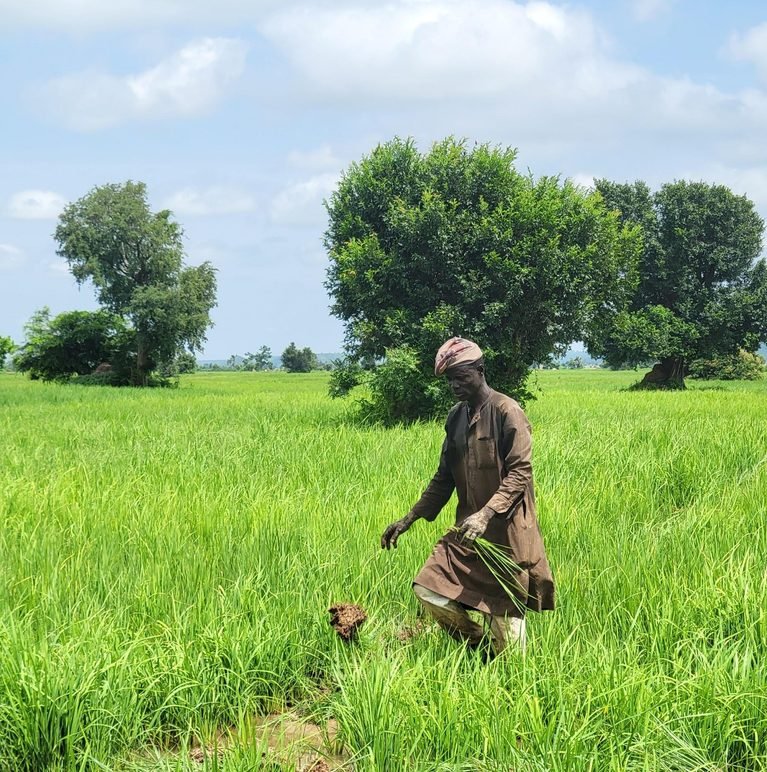

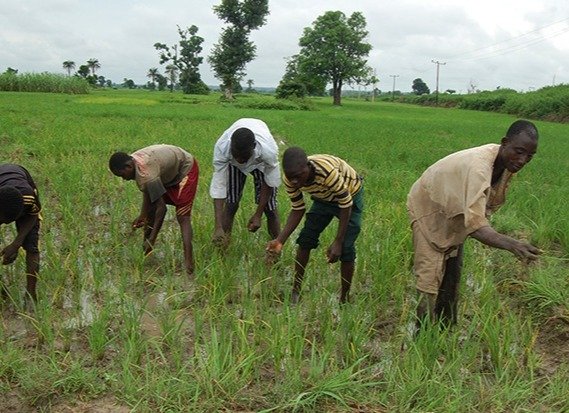
For 20 years, farming has been Audu Halidu’s way of making a living in Farin Dutse, a community in Nasarawa local government area (LGA) of Nasarawa state. But this year, he planted twice and lost twice. Each time, he watched cattle turn his months of hard work and hundreds of thousands of naira into nothing.
Audu, a farmer in Farin Dutse, planted melons early in the year, hoping for a good harvest. Before he could reap it, cattle entered his farm while he was away and reduced the growing crops gasping for life on the soil. He planted again, this time with groundnut, but the cattle returned again and left him with the same story.
“I had spent roughly ₦400,000 to ₦500,000 on heaping and planting,” Audu told The Liberalist. While he worries a lot of his loss, it is nothing compared to how he fears for his life. He said the danger sometimes goes beyond crop destruction, as attacks on farms can also put farmers’ lives at risk. In Farin Dutse, farmers like Audu no longer feel safe going to their farms alone. Men sometimes go in groups, while women often stay away because of fear from cattle herders.
The stakes of farm products like melon are high this year but farmers have to choose between their safety and survival. Audu said a bag of melon is now sold between ₦250,000 and ₦300,000. “Imagine I harvested my melon, I wouldn’t be in this mess,” he said, frustrated by what he has lost.
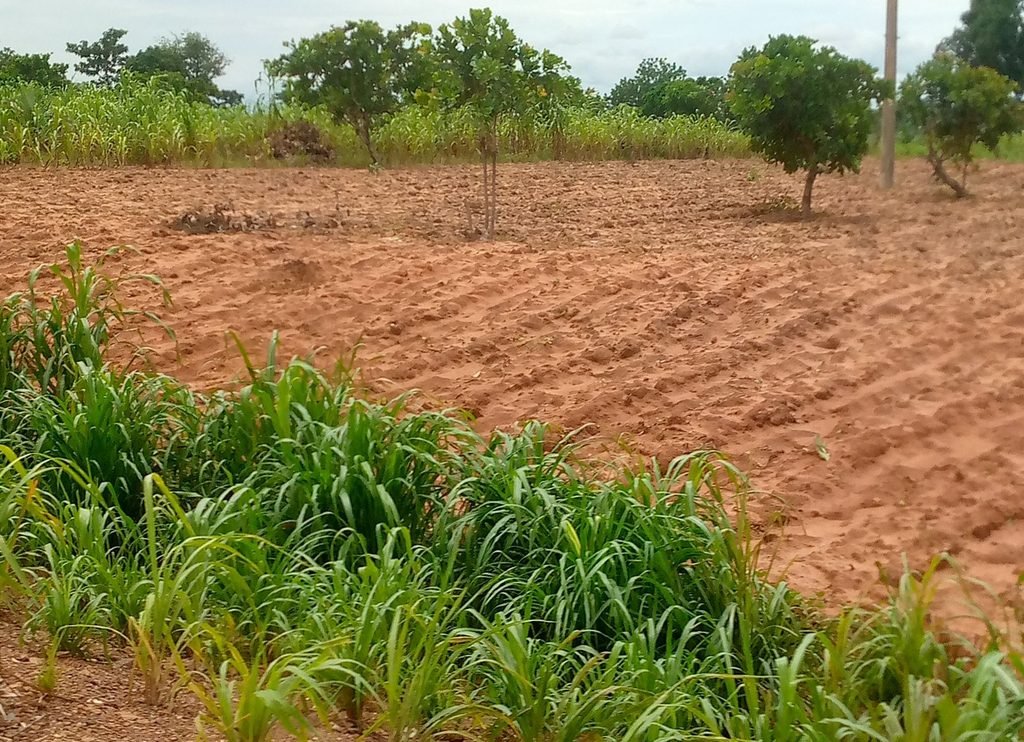
Like Audu in Farin Dutse, Ibrahim Gangi, a resident of Tudu-Uku community of Toto LGA said he spent about ₦75,000 planting melon and Sorghum, intending to use the proceeds to continue with groundnut and maize before moving on to millet and sesame. But after cattle destroyed his first crops, he said he could no longer afford to continue with the rest of the season.
Gangi said the loss affected more than the crops already planted. It interrupted an entire farming plan that would have produced several other crops later in the season.
Kingsley Joseph also shared similar worries as Gangi. In his part, Kingsley previously combined farming with teaching to support his family. But repeated losses made it difficult to keep investing money and labour into cultivation without knowing whether he would recover the cost. He later abandoned farming and concentrated on teaching to earn about ₦15,000 a month, which he said is insufficient to support his family.
The Broader Crisis
The experiences of people in Farin Dutse and Tudu-Uku communities are representative of a larger crisis plaguing farmers across many states in Nigeria. Studies show that more than 90 percent of farming households abandoned their fields due to direct threats from some herders in the north-central. It noted that 74 percent of farmers avoided cultivating farmlands located in interior or remote areas out of fear of violent attacks.
The study also found that more than 90 percent of participants said animals trampled and destroyed their crops, disrupting plant growth and reducing yields. The same proportion said fear of attacks kept them away from their farms, limiting activities such as weeding and fertilising and further reducing harvests and income.
According to an August 2026 Food Security Monitor by the Alliance for a Green Revolution in Africa (AGRA), Nigeria recorded the highest number of people facing crisis-level or worse food insecurity in Africa, with 36.3 million people affected. The report comes as millions of Nigerian households continue to struggle with food insecurity, driven by conflict, declining agricultural production and other pressures that limit access to food.
Speaking with The Liberalist, Usman Mikailu, the community head of Farin Dutse reiterated that farmers have experienced similar losses across different farming seasons. Farmers in the community grow rice, groundnut, sorghum, maize and soybeans, he said, but many have become reluctant to confront herders when cattle enter their farms.
“We’ll farm, they’ll destroy, we’ll farm, they’ll destroy, and you don’t have the right to talk,” Usman said.
He said complaints about damaged farms had become a regular occurrence. The repeated losses, according to Usman, have affected how much land farmers are willing to cultivate. Some now plant less than they previously did, while others have abandoned farming.
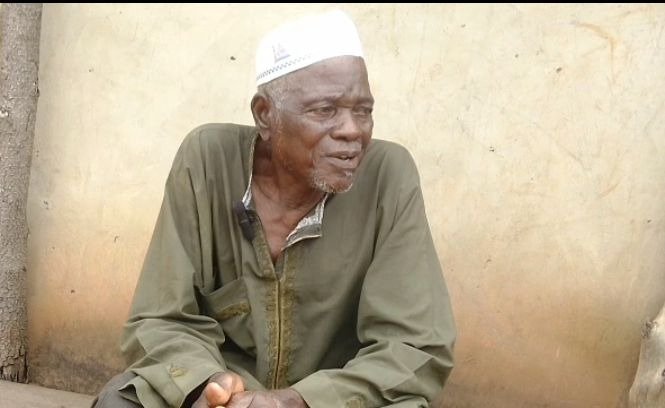
Zakari Usman, an Agricultural Extension Officer and Extension Director of Nasarawa Agricultural Development Programme (NADP), told The Liberalist that his field officers regularly receive reports of incidents involving farmers and cattle. He said the number of farmers cultivating is declining, while crop production is also falling because fewer people are planting and some of those who continue farming lose part of their harvest.
Data shows that Nasarawa’s maize production fell sharply between 2022 and 2023. The area cultivated fell from about 115,311 hectares in 2022 to 96,474 hectares in 2023, a decline of about 16 percent. Over the same period, maize production declined to about 15 percent, falling from approximately 319,714 metric tonnes to 272,900 metric tonnes.
The fall in production is notable because the estimated yield per hectare did not decline during the period. This means the contraction in the area under cultivation was an important part of the reduction in total output. Production recovered slightly in 2024, rising to about 283,271 metric tonnes, while cultivated area increased to about 97,921 hectares. But both remained below their 2022 levels.
For years, insecurity has taken a toll on members of Farin Dutse. In March 2025, violence linked to a farmer-herder dispute was reported in the community, leaving several people killed and houses burnt. The incident added to fears among residents already dealing with repeated disputes over farmland and livestock. For farmers such Audu Halidu, Ibrahim Gangi, and Joseph Kingsley, the incident creates uncertainty around the basic decision to cultivate.
Speaking with The Liberalist, Adonis Abemiko, an Assistant Superintendent of Police in Nasarawa explained that the tensions often start when cattle enter farmers fields or when farmers and herders disagree over grazing routes.
According to Adonis, some cases are resolved within the community, particularly when they involve trespass or property damage. “Some of these matters are settled by the village heads, traditional rulers or the community authorities. But when it becomes a case of violence, that is when the police come in,” he said. The security officer also alleged that some farmers retaliate by poisoning crops or produce to kill cattle. “This year, I can say that more than 50 cattle have died from poisoning.”
‘They Killed Our Cows’
Meanwhile, Musa Jabbo, Chairman of Miyetti Allah Kautal Hore and representative of local pastoralists in Toto LGA disputed that cattle “routinely” destroy farmers’ crops.
Musa said cattle poisoning was a serious concern among herders. He claimed that more than 200 cattle had died between August and September 2026 and said some deaths occurred after cattle consumed poisoned material. The Liberalist could not independently verify these figures.
He furthered that his association was also involved in compensation for crop damage and that more than ₦3 million was paid to farmers this month alone.
Speaking from experience, Adonis hinted that the competing accounts show the conflict is a two-edge sword between the farmers and herders. While farmers describe cattle entering farms and destroying crops, pastoralists point to cattle losses and accuse some farmers of poisoning livestock.
For agricultural production, however, the consequence is visible regardless of where individual disputes begin. A report estimated that 340,051 people in Nasarawa were in serious food insecurity between October and December 2025, with the number projected to rise to 408,380 between June and August 2026. The assessment identified insecurity, conflict and economic pressures among factors affecting livelihoods and food security.
Back in Farin Dutse, Audu is still trying to farm. After losing his melon and groundnut, he has planted again, this time on a smaller plot.
“You spend money to clear the farm, buy seed and pay for labour, then cattle come and destroy everything,” he said. “I farm, but I don’t know if I will reap the fruit of my labour.”
_________________
This story was produced as part of the Liberalist Centre’s Journalism for Liberty Fellowship, with funding from Liberty International.