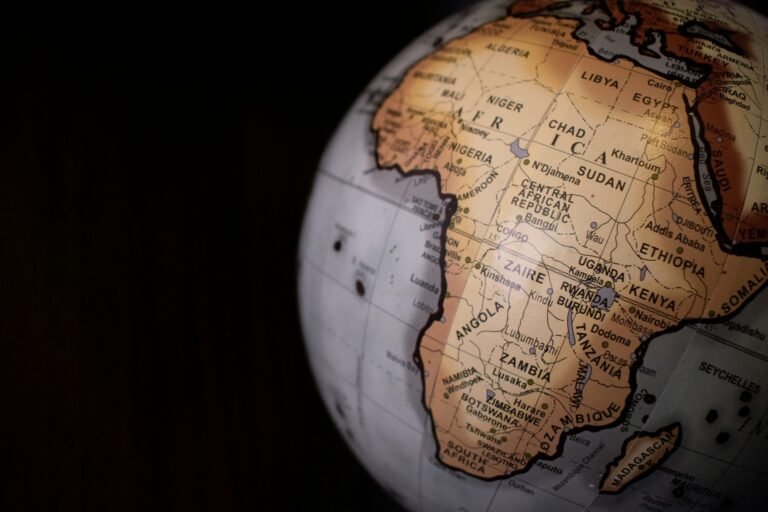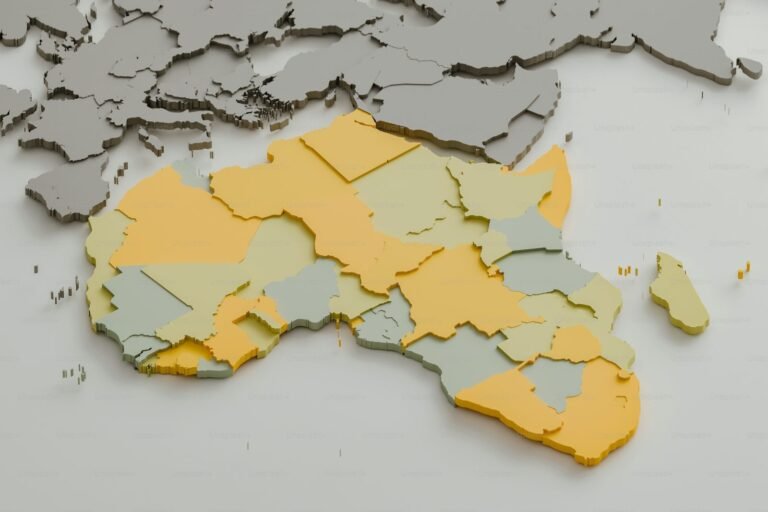


The Economic Community of West African States (ECOWAS) has renewed its decades-long ambition to launch a common currency, the ECO, for the region. The initiative aims to reduce exchange-rate costs, simplify cross-border payments, and boost regional trade.
Reaffirming its commitment to a 2027 launch, ECOWAS plans to introduce the ECO in phases. Only member states that meet the bloc’s macroeconomic convergence criteria will join initially, while non-qualifying nations will receive support to integrate later.
The idea dates back to April 2000, when six West African nations signed the Accra Declaration, creating the West African Monetary Zone (WAMZ) as a pathway to a unified monetary system. However, member states repeatedly failed to achieve the macroeconomic stability required for a secure monetary union, pushing back the original 2003 launch deadline through successive target years in 2005, 2010, 2015, and 2020. Regional progress remains uneven; while Benin and Cabo Verde met all four primary convergence criteria in 2024, persistent inflation, fiscal pressures, and external shocks continue to stall wider compliance.
Despite these global headwinds, authorities report an improving economic outlook, highlighting falling inflation, lower public debt-to-GDP ratios, and expanding current account surpluses. ECOWAS acknowledges, however, that fiscal deficits remain a critical concern. Fiscal discipline is the core of a stable monetary union, as clearly illustrated by Europe’s experience with the Euro. Although Eurozone members satisfied the Maastricht criteria before joining, structural weaknesses in the fiscal framework forced Greece, Ireland, and Portugal to seek international bailouts during the 2010 sovereign debt crisis.
Meeting the ECO’s primary criteria—such as capping inflation at 10 percent and limiting central bank financing—will not guarantee success on its own. As economists Paul Masson and Catherine Pattillo argue, a West African monetary union can enforce fiscal discipline only if strong, binding restraints limit the power of national fiscal authorities. The greater challenge lies in maintaining that discipline after launch.
Launching with a select group of qualifying nations risks creating a two-speed West Africa. Trade between ECO users and non-members will still suffer from exchange-rate costs and currency volatility, undercutting the single currency’s primary benefits. Furthermore, if the ECO builds strong monetary credibility, capital and trade may flow disproportionately toward member states, widening regional economic disparities and frustrating ECOWAS’ ambition for deeper political and economic integration.
Integrating these divergent economies presents structural hurdles. ECOWAS members rely on fundamentally different revenue streams. For instance, Nigeria depends heavily on crude oil exports; Côte d’Ivoire and Ghana lead global cocoa production; and neighbouring states rely on gold, services, or remittances. Because external shocks affect these sectors, countries cannot rely on individual exchange-rate adjustments under a single currency, making ongoing policy coordination imperative.
Nigeria’s role in the ECO project remains significant. As ECOWAS’ largest economy, its participation will directly shape the currency union’s scale and credibility. However, the nation’s domestic economic challenges demonstrate why initial qualification is only the baseline. The International Monetary Fund (IMF) highlighted key structural hurdles facing the country, including persistent inflationary pressures, foreign exchange volatility, and fiscal constraints. If the ECO is to succeed, Nigeria must not only satisfy the entry requirements but also commit to the sustained policy discipline needed to keep the monetary union stable over time.
The ECO’s initial rollout may finally bring West Africa closer to monetary unity. However, for a project delayed for over two decades, meeting the 2027 launch date is only the first step. The true test lies in sustaining the economic discipline and political cooperation required to keep the currency stable over the long term.
_________________
This article was produced as part of the Liberalist Centre’s Journalism for Liberty Fellowship, with funding from Liberty International.