
Aliko Dangote and Abdul Samad Rabiu, Africa’s first and second richest, have lamented the impact of visa restrictions and administrative bottlenecks across the continent, arguing that they hinder businesses and stifle investment opportunities.
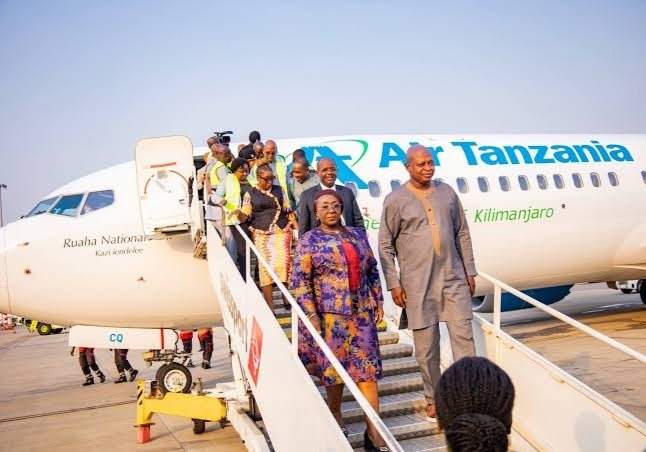
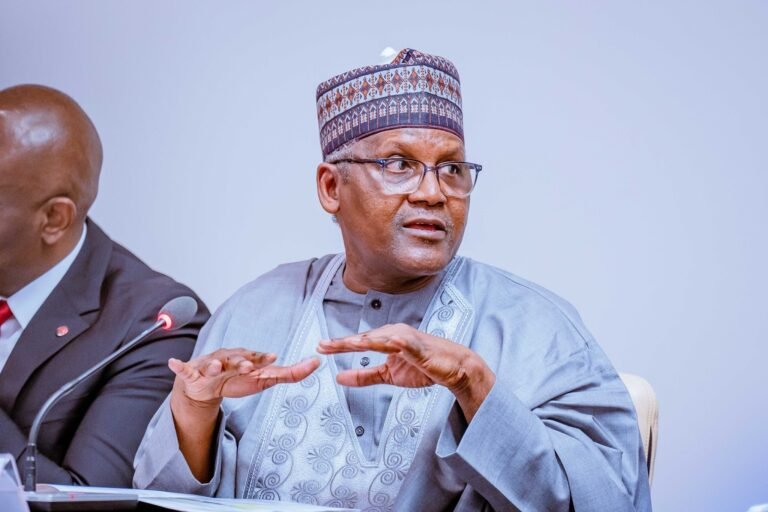
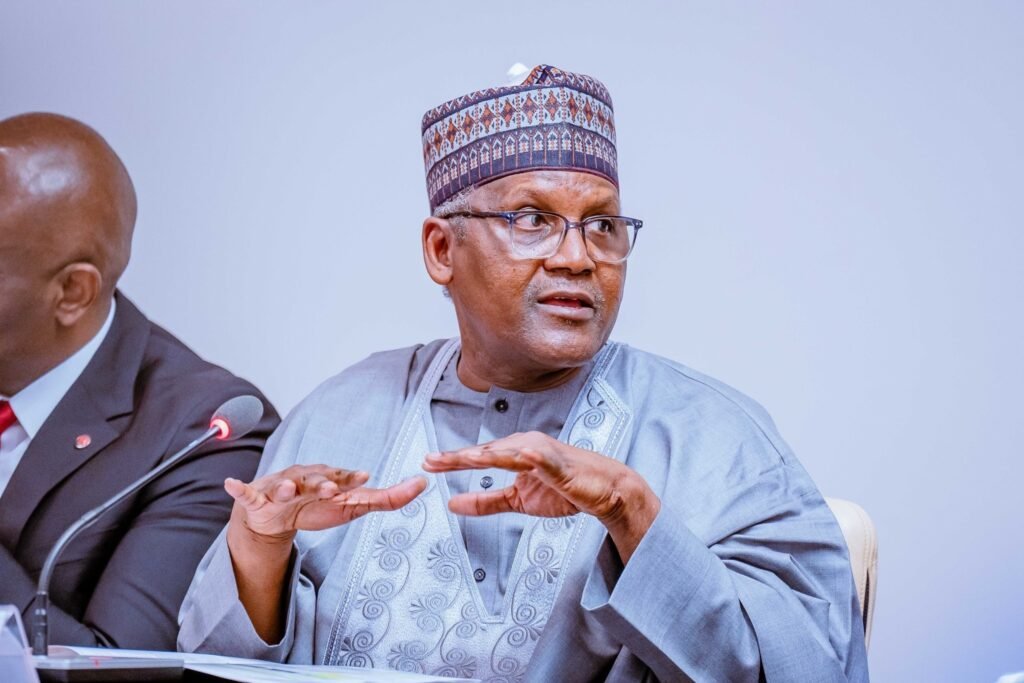
Speaking with Business Insider Africa, Dangote, the Chairman and Chief Executive Officer of the Dangote Group, expressed deep frustration over the difficulties of cross-border movement. He revealed that as a Nigerian investor, he still requires 38 different visas to travel within Africa.
“How do I now invest if I am not able to move around and 38 visas does not make sense,” Dangote said. “Nobody has time to go and apply for a visa and most of these African countries do not do visa-on-arrival.”
Echoing these concerns at the Africa CEO Forum on Thursday in Rwanda, Abdul Samad Rabiu, Chairman of BUA Group, warned that with visa restrictions, among others, Africa risks missing the economic potential of the African Continental Free Trade Area (AfCFTA). He argued that the continent will struggle to realise the benefits of one of the world’s most ambitious trade integration efforts unless governments dismantle visa restrictions, border bottlenecks, and administrative barriers that hinder cross-border commerce.
“At BUA Group, as we expanded our regional investments, we actively sought to support several African markets under the AfCFTA framework. While some countries embraced extension of the agreement, others were less supportive,” the billionaire industrialist said. He noted that despite the existence of the framework, implementation remains complicated.
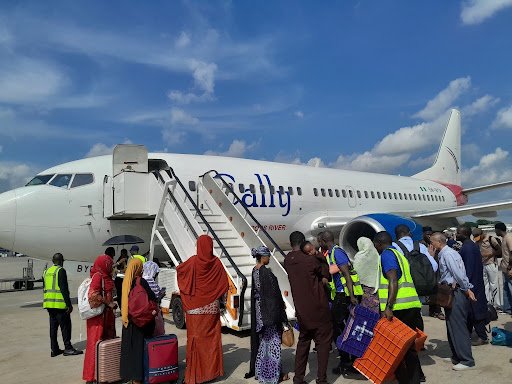
Over the years, a growing number of African nations have made progress in facilitating travel, but visa restrictions remain a significant barrier to the movement of people and goods. The 2024 Africa Visa Openness Index (AVOI) evaluated 54 countries and found that only 17 had significantly improved their visa policies, following progress made by 15 countries the previous year. Last year, Kenya became the fifth country to grant visa-free entry to all African nationals, joining Rwanda, Seychelles, Benin, and The Gambia.
Dangote noted that visa restrictions obstruct the free movement of people, goods, and services. “These are critical areas and without these, we are not going to have a prosperous Africa,” he added.
Two years ago, during the Africa CEO Forum in Kigali, Rwanda, Dangote highlighted the painful irony that foreign nationals often enjoy greater freedom of movement across African borders than Africans attempting to invest in their own continent.
“As an investor, and somebody who really wants to make Africa great, I have to apply for 35 different visas on my passport, and I told Mr. President that I really do not have the time to go and drop my passport at embassies to get a visa,” he explained.
Visas impose massive costs in both time and money. Experts argue that continental growth remains stalled when a Nigerian trader cannot transport goods to Niger or a Kenyan innovator cannot fly to Togo without navigating expensive red tape.
“Our main job is to make sure the regional markets all work. Once they work, then we can now go to the Africa Continental Free Trade Agreement (AfCFTA),” Dangote said. “But then, for AfCFTA also, we need to make sure that it works. We cannot have a promising continent and our intra-trade rate is less than 16 percent.”