Across Africa, military coups and conflicts continued to reshape the lives of citizens, according to the 2026 World Report by the Human Rights Watch (HRW). While challenges vary by nation, the report identifies juntas as the major perpetrator of human right violations in the continent.
Covering over 100 countries across the globe, the World Report is the HRW’s 36th annual global review of human rights conditions. This year, it analyses 2025 events, and concludes that the global human rights system is under strain, with rising authoritarianism and weakening international institutions putting human freedoms at risk.
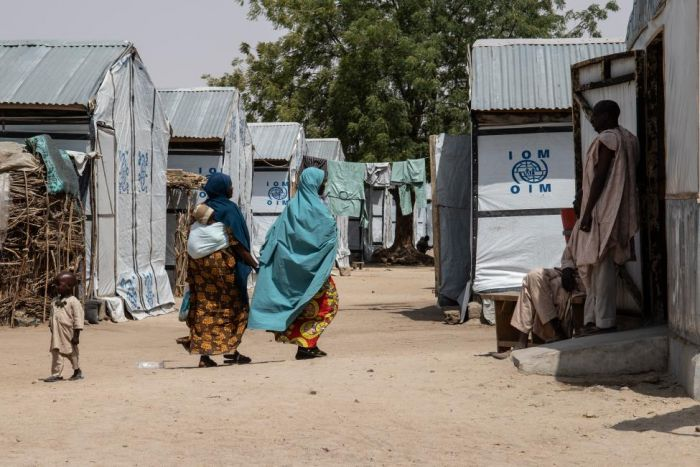
In Africa, these issues are no longer seen as temporary setbacks but becoming a pattern affecting how citizens live and express themselves. For instance, in the Sahelian states of Mali and Niger, the military rule and insecurity have become a bane on human freedom. Malian authorities have abandoned democratic transitions by banning political parties and extending General Assimi Goïta’s leadership without elections. Islamist armed groups like Jama’at Nusrat al-Islam wa al-Muslimeen( JNIM) continue to attack civilians and vital infrastructure. Communities are caught between insurgent violence and state counter-insurgency operations, which have led to unlawful killings and disappearances. The crisis had displaced over 737,000 people and left over one million facing acute food insecurity.
Niger has also seen the junta tighten its grip on power since the July 2023 coup. The authority continued to target opposition figures, journalists, and civil society through arbitrary arrests and detentions. The report says the introduction of “Garkuwar Kassa,” a civilian-led military support initiative, has further worsened abuses in volatile regions of the country.
In Nigeria, according to the report, the crisis spans multiple regions and manifests in diverse forms of violence. In the Northwest and Northcentral regions, armed groups frequently kidnap and kill travellers for ransom, while unresolved farmer-herder tensions continue to trigger deadly clashes. One incident in April resulted in 52 deaths and displaced nearly 2,000 people in Plateau state. In the Northeast, Boko Haram factions have resumed attacks on civilians and keep debunking claims that the long-standing insurgency has ended.
Analysts argue that despite these atrocities, accountability remains limited. State responses, including airstrikes, have caused civilian casualties, highlighting an urgent need for more careful operations and the protection of innocent lives.
In the southern side of the continent, South Africa faces a different challenge, where xenophobic tensions remain high as groups like Operation Dudula block migrants from accessing essential healthcare. A report reveals that a one-year-old Malawian boy died after being denied treatment. HRW further notes that violence against women and children is still a major concern due to enforcement gaps. At the same time, activists and whistleblowers face severe risks for challenging the status quo.
“The global human rights system is in peril,” says Philippe Bolopion, the executive director of HRW. “Breaking the authoritarian wave and standing up for human rights is a generational challenge. In 2026, it will play out most acutely in the US, with far-reaching consequences for the rest of the world. Fighting back will require a determined, strategic, and coordinated reaction from voters, civil society, multilateral institutions, and rights-respecting governments around the globe,” he added.