
Maryam Ayuba recalled that fateful day in early 2021. The 60-year-old widow and her friends had set off for a forest in Masuga village in the Kontagora local government area of Niger state. On their way, they heard a gunshot. They assumed a lucky hunter had fired at an animal. A few minutes later, they quickly regretted ever hearing the gunshot or setting foot near the scene.
“They were fully armed and riding motorcycles,” Maryam narrated how a group of terrorists ambushed her and her friends. “When we tried to run, they pointed their guns at us and warned us never to come back to the bush. We were extremely frightened and returned home without picking a single shea nut. We were very lucky they did not harm any of us.”
Since that day, Maryam stopped collecting shea nuts from the bush. She has started a new business trading food items, but she still hopes she can one day return to shea nut picking.
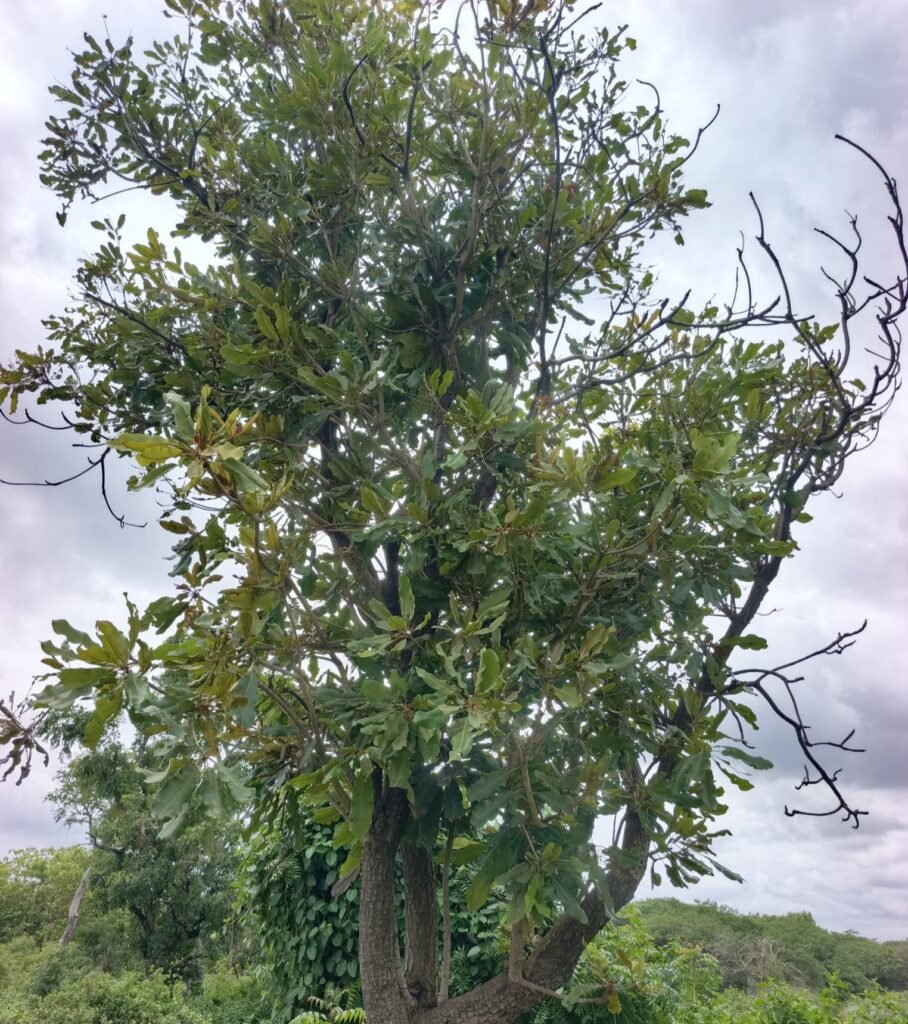
Maryam’s story chronicles the reality facing thousands of rural women who harvest nuts from wild karité trees. Across Nigeria’s shea belt, including key producing regions in Kebbi and Kwara states, more than a dozen women who spoke with The Liberalist, expressed deep fear and panic over continuing their work. For decades, their efforts have directly fueled the global shea butter market, which is estimated to rise to over $5 billion by 2030.
According to a 2023 report by the Custom Market Insights, the global shea butter market was estimated at around $2 billion in 2021 and more than $2.8 billion in 2022. Nigeria is recognised as the world’s leading producer of shea nut with a global production of about 45 percent of the total global production. The country currently accounts for the production of 500,000 metric tonnes annually with a potential estimated at 800,000, but the recent widespread insecurity threatens that contribution.
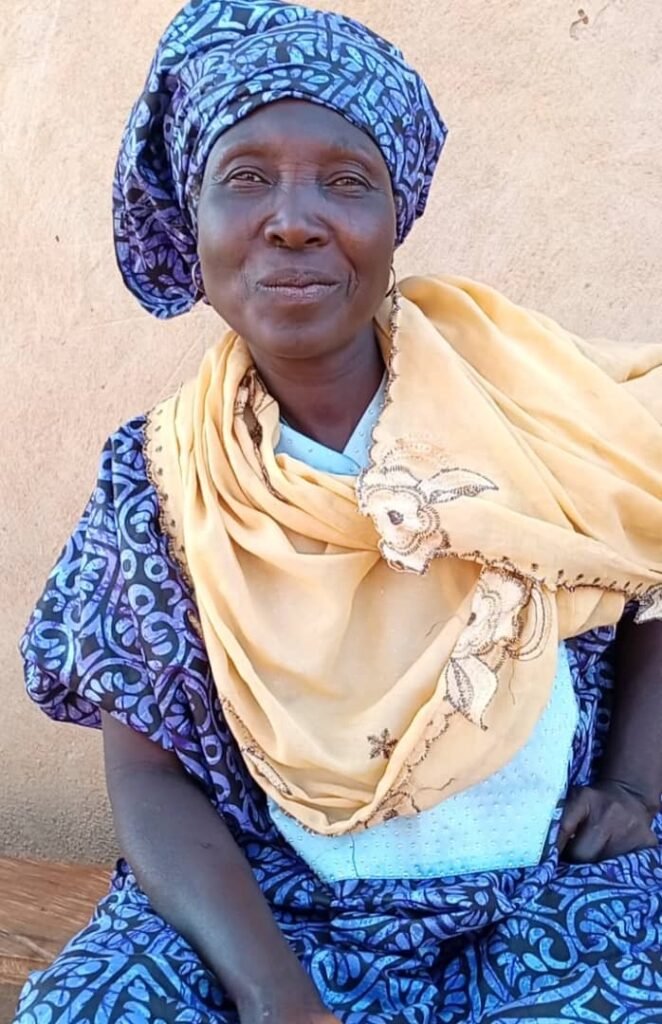
Maryam recalled that every morning before dawn, she used to walk to the forests to pick shea nuts. She has kept up this routine for over 20 years. During a good season, she earns up to ₦100,000, part of which she used to pay her children’s school fees, even buy food and clothes for them. Today, she hesitates and leaves the raw shea nuts rot in the forests.
“I stopped five years ago,” she told The Liberalist, her voice echoing memories of the days she freely walked into places like Barrack bush, Gabas bush, and Dogon Daji. “I can no longer go inside the forests where the nuts are available because most of these places have become bandit hideouts.”
Nigeria accounts for nearly 40 percent of global shea nut production, anchoring a multi-billion-dollar industry that spans cosmetics, food, and medicine. Maryam is one of thousands of women across Nigeria’s shea belt whose livelihoods, dependent on this booming industry, has collapsed as insecurity transforms wild forests into death jungles.
According to the Raw Materials Research and Development Council (RMRDC), shea trees grow naturally in 21 of Nigeria’s 36 states. Production is heavily concentrated in the northern region, with Niger state alone driving 57 percent of the national output. Other key producing areas include Kwara, Kogi, Kebbi, and parts of Oyo state. In recent years, however, local incomes from shea have plummeted as bandits seize control of access to the wild karité (shea) trees.
The Spike
Khadija Abubakar, a 55-year-old mother of six from Maiguru in the Dakingari LGA of Kebbi state, sometimes risks her life just to venture into the bush and quickly pick shea nuts.
“We cannot continue to sit at home idle. I have six children and my husband does not stay with us. I take much of the responsibility to cater for them. But we cannot go to our farm freely now because of these gunmen,” She told The Liberalist.
For years, insecurity has held sway in Nigeria, especially in the north-eastern and north-western parts of the country, where Boko Haram and other terrorist groups have unleashed terror. However, the crisis has now fully spread to the north-central region. This security stigma has severely affected multiple sectors across the nation, crippling education, healthcare, and businesses, whilst systematically crippling the livelihoods of rural women who rely on the forests to pick shea nuts for survival.
The violence in these picking zones has escalated dramatically in the past years. In February, gunmen killed at least 32 people when they launched simultaneous attacks on three separate communities in the Borgu area of Niger state. This followed an incident last November, where bandits abducted 24 farmers, including a pregnant woman, from a farm in the Palaita community of Shiroro LGA of the state. Currently, insecurity plagues about eight LGAs in Niger state, seven in Kebbi, and five in Kwara. This widespread danger has made shea nut harvesting—traditionally a women’s industry reliant on manual methods of nuts’ extraction, washing, and sun-drying—impossible to sustain.
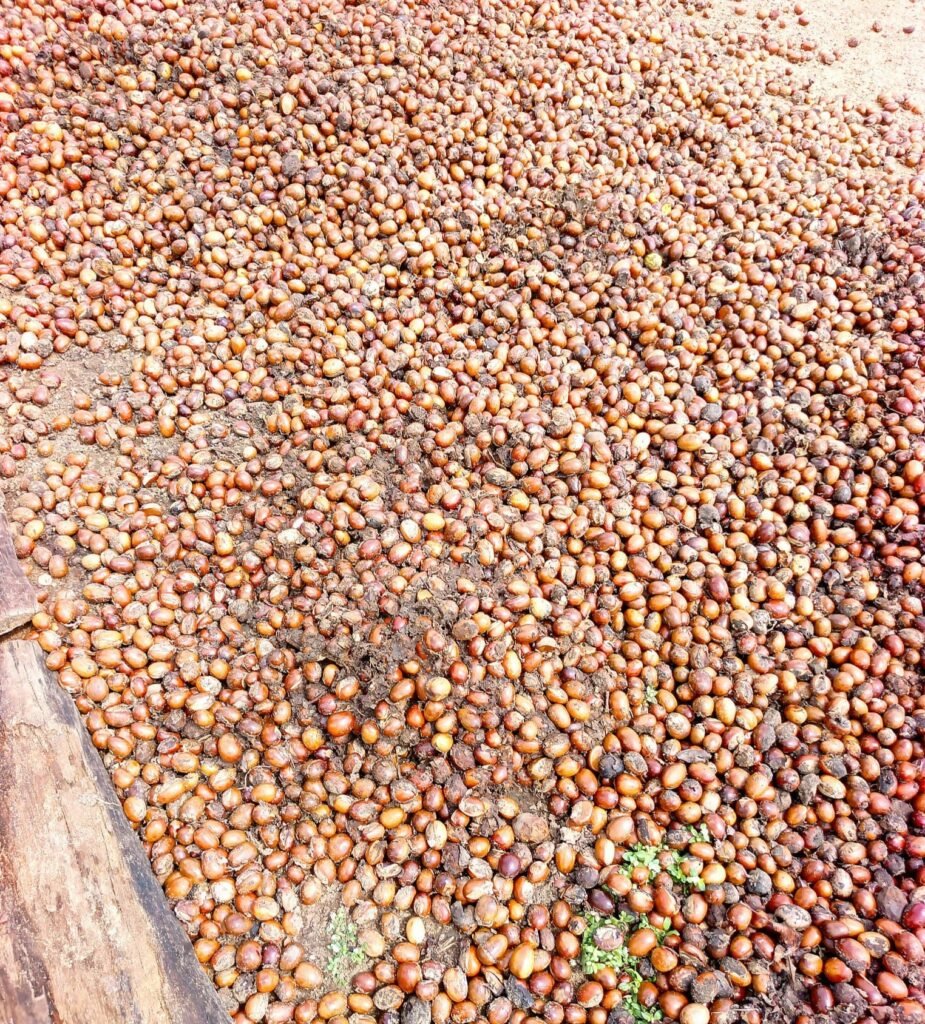
This collapse in harvesting has triggered national economic shockwaves. In late 2025, Nigeria implemented a six-month ban on raw shea nut exports in an effort to boost local processing. However, the government must have mistaken the sudden market shortage for an export surge. In reality, interviews with women in the industry revealed that while traders do export the product, the drastic reduction of shea nuts in the market stems largely from increased insecurity in the forests.
In a double jeopardy, The Liberalist’s investigation revealed the government’s export ban, meant to boost domestic processing, drove local prices down, disrupted long-established trade routes, and left vulnerable women collectors and small traders absorbing the financial loss.
‘The Danger is Real’
Yusuf Umar, a 35-year-old local vigilante member from Masuga village, told The Liberalist that bandits frequently abduct shea nut pickers, most of whom are women. “In some cases,” he said, “we were able to rescue them, and in others, we were not.”
Yusuf recalled an incident in late 2025 when bandits abducted five women in a forest called “Barrack bush.” He said his team made serious efforts to track and rescue them, but all operations proved unsuccessful. The families later paid a ransom of ₦2 million to secure their release.
“Many women used to support their households with income from shea nut picking,” Yusuf added. “Now, that has stopped.”
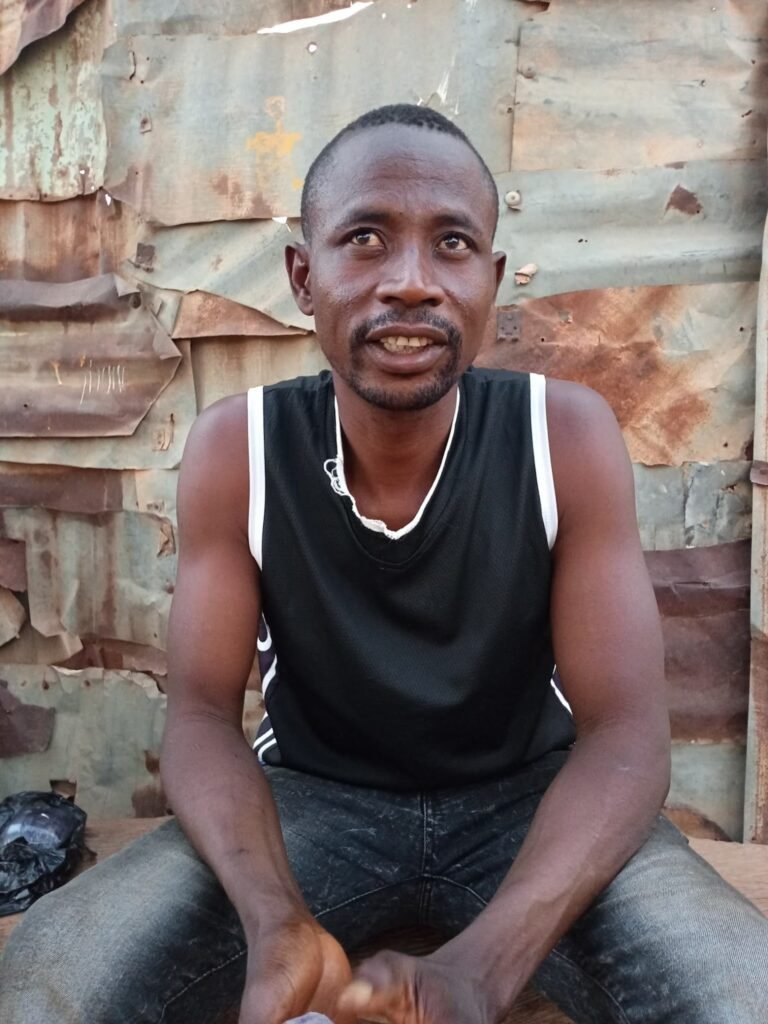
However, Yusuf revealed that despite the profound danger, some women still venture into the bush because they have no alternative.
“Shea nut picking is their only means to generate good income for them. However, they do it with extreme caution. Some of them have told us that they cannot spend even two minutes picking without constantly looking around, alert to any sign of danger.”
Yusuf called on the government to provide better weapons and necessary equipment to improve security in the local areas. He added that with stronger support, the vigilantes can secure their communities more effectively and protect their people from further harm.
In response to escalating insecurity, Niger state has recruited forest guards across all its 25 local government areas. This initiative is a strategic collaboration between the federal and state governments to establish a permanent, armed, and locally rooted security force. The governor said its primary goals are to reclaim Nigeria’s forests from criminal elements and protect the environment.
The Shea Women’s Plea
When Sawiyyah Sulaiman’s husband said he could not support their children to attend western education because of finances, the decision did not bother her at the time. Because five years ago, every morning during the shea season, she would leave the house with her sisters for nearby bushes to pick nuts. Sawiyyah said each day, she collected nuts that fetched her over ₦2,000 profit after processing. She used the money to support her husband by buying items such as salt and other household necessities.
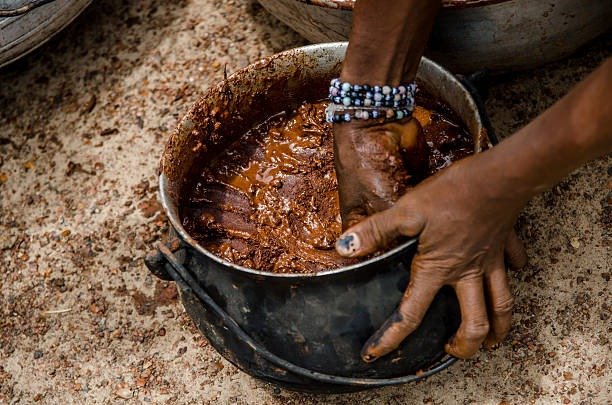
Sawiyyah explains that she either sells the nuts or processes them into shea butter. After she gathers the nuts from the bush, she removes the outer skins through a parboiling process before grinding starts. Afterwards, she roasts the ground nuts outside over an open flame, before running them through a simple milling machine that squeezes the oil from the shea residues. This produces a dark-brownish paste, which she kneads by hand for up to two hours to get excellent quality shea butter.
Finally, she leaves the oil to cool. The result is the creamy white, solid shea butter, which is ready for weighing and packaging to sell at local markets or for export.
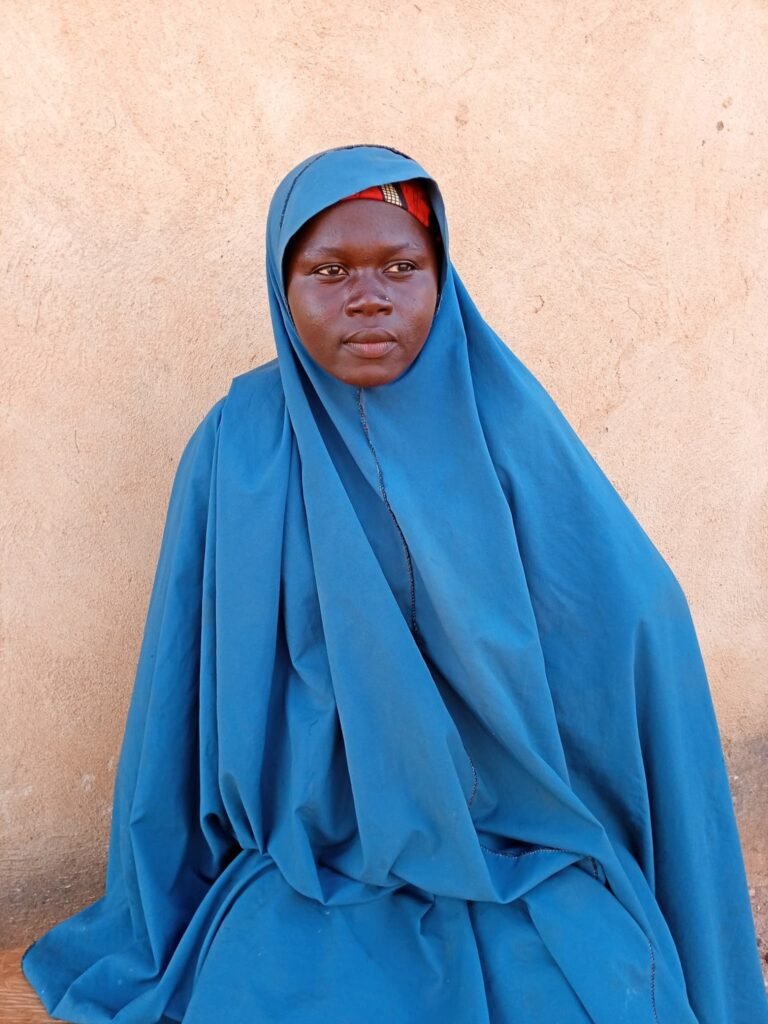
“I also used the income to care for the children, buying clothes for them and paying their school fees because I was the one responsible for their schooling. My husband said he could not take them to western schools. When I stopped going to the bush, the children also stopped going to school because I could no longer afford their school expenses,” she said.
Before she stopped, Sawiyyah had heard stories from other women who encountered gunmen in the bush. She also “saw them inside the bush one day. They were heavily armed,” she said. “Although they did not harm anyone and simply passed through, I stopped going to the bush after the incident.”
Sawiyyah stated that she later switched to selling rice and beans. With her newly found small business, she eventually managed to send her children back to school, but she still reminisces about how much easier it was for her with the income from shea nut picking.
Summayya Ahmad, a shea nut collector, wishes the forests could return to being a safe haven. Echoing the same concern, Rashida Abdullahi, another woman shea nut collector, expressed her plea that “if the government and security agencies can hear my voice, my plea is simple: secure our forests. Make them safe again, so we can return to the work we know and depend on for our survival,” she said.