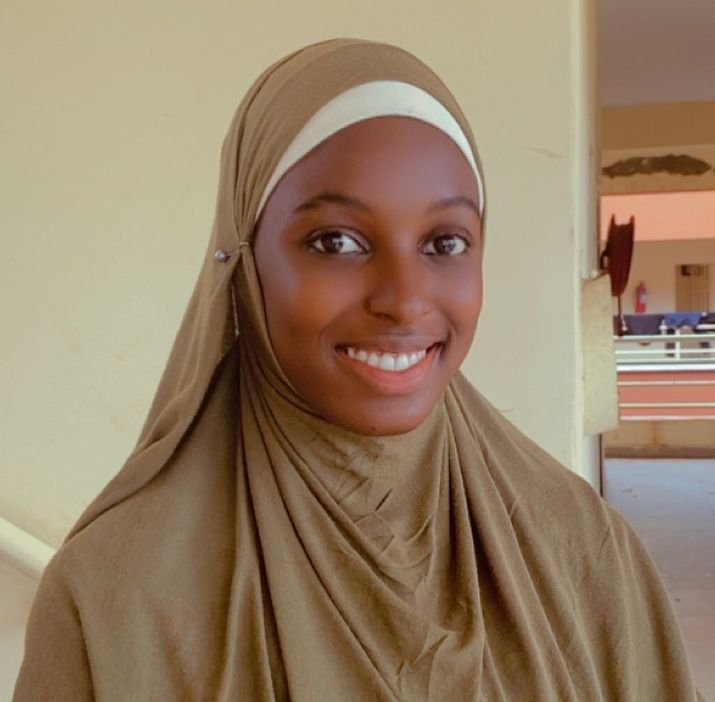
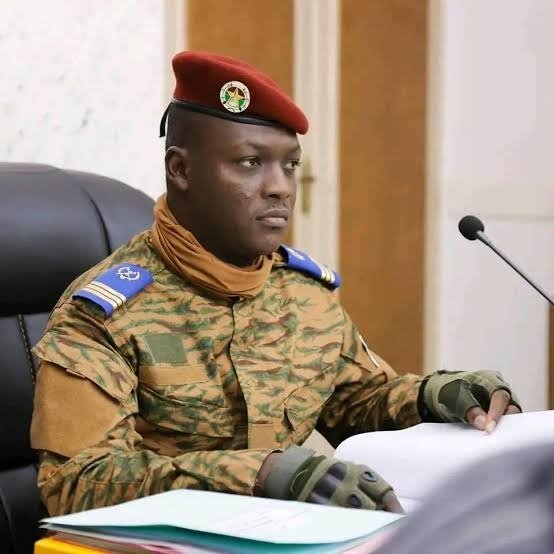
Last week, Burkina Faso’s military junta suspended the Union Générale des Étudiants Burkinabè (UGEB), the country’s largest student organisation. The move forms part of a broader crackdown which human rights groups warn threatens freedom of expression and association.
Also known as the General Union of Burkina Students, the UGEB plays a prominent role in civic activism, democratic mobilisation, and accountability campaigns. The student body has become a leading voice in broader struggles for social justice and political reform, making its suspension a matter of national concern.
While the junta has not provided explicit grounds for the suspension, authorities have accused the union of the “glorification of terrorism.” Rights groups believe the decision stems from a statement the student union issued criticising the junta for failing to restore security, despite years in power and significant spending on military equipment.
The Trend of Repression
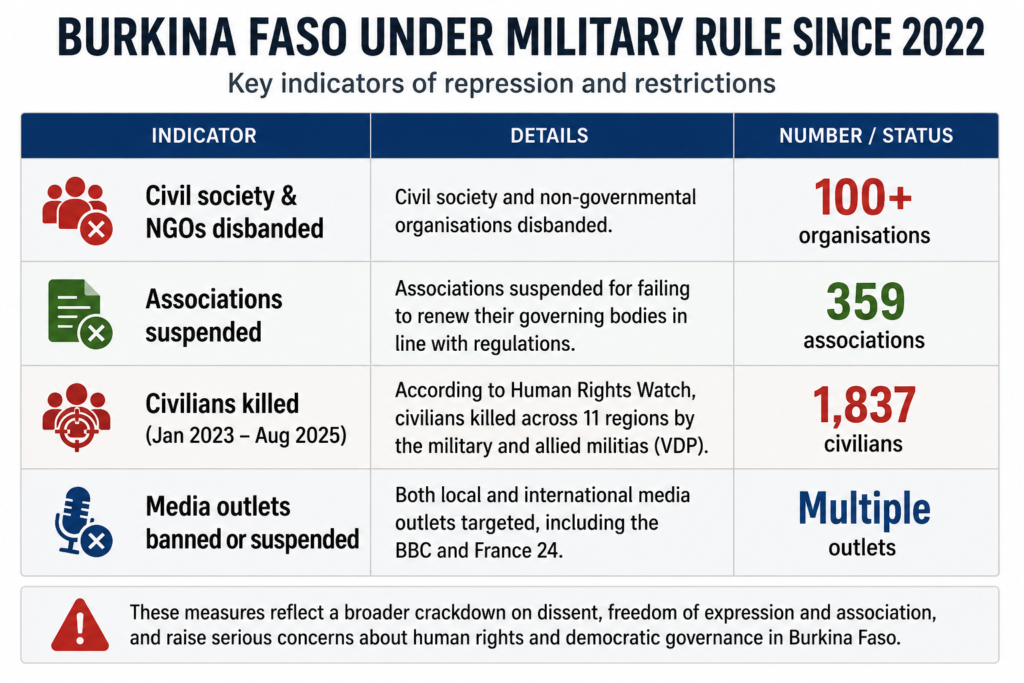
Since seizing power in 2022, Burkina Faso’s military authorities have frequently taken measures to silence dissent and repress non-governmental organisations, human rights groups, and independent media. A few months after dissolving all political parties, the junta disbanded over 100 civil society and non-governmental organisations. In April, reports indicated the government also suspended another 359 associations for failing to renew their governing bodies in line with national regulations.
Journalists and media organisations face increasing pressure. In one widely reported case, authorities detained investigative journalist Atiana Serge Oulon after he published reports critical of the administration. The government has also banned or suspended many local and international media outlets, including the BBC and France 24.
While the junta justified its military takeover on security grounds, human rights monitors have flagged the government for flagrant human rights violations, including the killing of civilians. According to Human Rights Watch (HRW), the junta killed at least 1,837 civilians across 11 regions between January 2023 and August 2025. HRW stated that the military and the Volunteers for the Defence of the Homeland (VDP) committed grave abuses during dozens of operations, including unlawful killings, summary executions, torture, ill-treatment, livestock looting, and the burning of homes.
Regional Implications
Burkina Faso is just one of several African countries bearing the brunt of military rule. In Mali, the military government suspended the activities of political parties in 2024 before later dissolving dozens of political organisations. In Niger, junta authorities restricted political party activities following the 2023 coup and delayed plans for a return to civilian rule. Guinea’s military government has postponed elections and restricted opposition protests.
Although these regimes often justify such measures as necessary for national security and stability, critics argue they shrink the civic space across parts of the continent, raising serious concerns about accountability, political participation, and the future of democratic governance. A 2026 World Report by the HRW says military coups and conflicts continued to reshape the lives of citizens across Africa. While challenges vary by nation, the report flagged juntas as the major perpetrator of human right violations in the continent.