
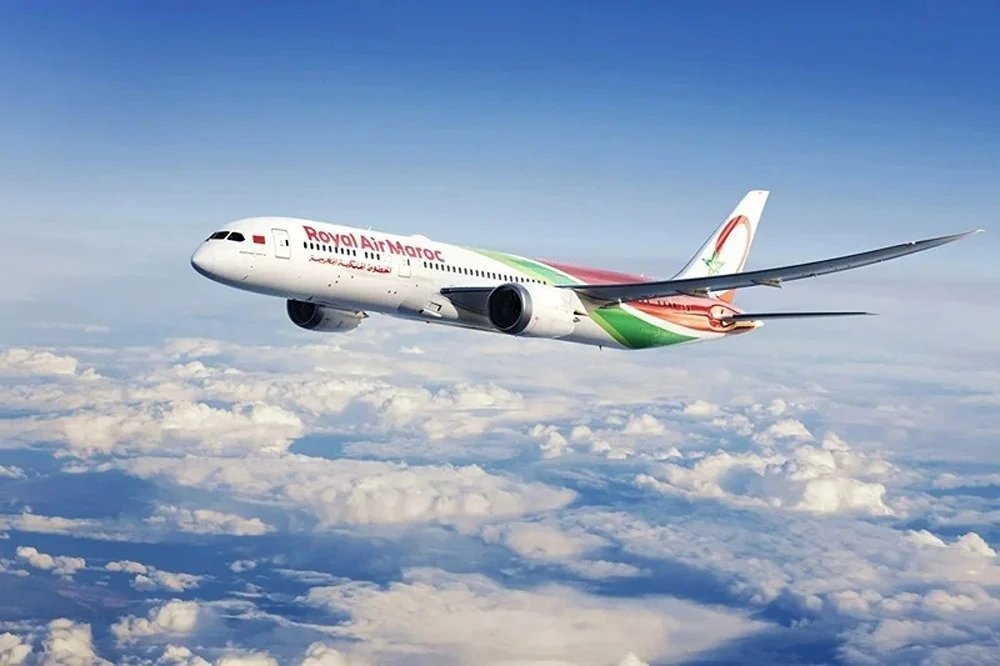
The Moroccan government has removed Mali from its electronic travel authorisation known as Autorisation Électronique de Voyage au Maroc (AEVM) list, a move aimed at streamlining travel requirements. The policy change follows Mali’s decision to withdraw its recognition of the Sahrawi Arab Democratic Republic (SADR) and its subsequent support for the autonomy plan proposed by the Kingdom of Morocco.
Nasser Bourita, Morocco’s Minister of Foreign Affairs, announced the decision to exempt Malian nationals from the AEVM requirement, saying that the policy would officially take effect from the 27th of April.
Before this exemption, Malian travellers could enter Morocco without a traditional visa but had to complete an online application before departure. Morocco originally introduced the AEVM last September as a temporary measure to manage the influx of visitors during the 2025 Africa Cup of Nations (AFCON). Though initially expected to expire in January this year, the requirement remained in place for eight African nations, including Algeria, Burkina Faso, and Senegal. The system allowed authorities to pre-authorise entry, reducing queues at ports of entry while maintaining border security during large-scale events.
The Malian government described the move as a “new dynamic momentum in the friendly relations and bilateral cooperation with the Kingdom of Morocco,” adding that the “practical measure aimed at facilitating and strengthening economic, commercial and people-to-people exchanges between the two countries.”
This recent travel development came at a time when Mali and Burkina Faso, alongside Niger, already formed the Alliance of Sahel States after exiting the Economic Community of West African States (ECOWAS). Nasser Bourita described the AEVM exemption as a “historic” move within a broader geopolitical context. Beyond the suspension of travel authorisations, analysts say the alliance between Morocco and Mali would strengthen cooperation across the economic, security, energy, and health sectors. Both nations confirmed that they will hold the 4th Joint Cooperation Commission in Bamako later in 2026 to further enhance their bilateral partnership.
Recently, Morocco announced an increase in the annual scholarship quota for Malian students, doubling the figure from 150 to 300. This increment offers young Malians access to quality education and cultural exchange at Moroccan universities, providing new career prospects in a region where insecurity and unemployment often pressure the domestic education system.
Experts say this diplomatic realignment supports the goals of the African Continental Free Trade Area (AfCFTA), which seeks to accelerate intra-African trade and bolster the continent’s global trading position.