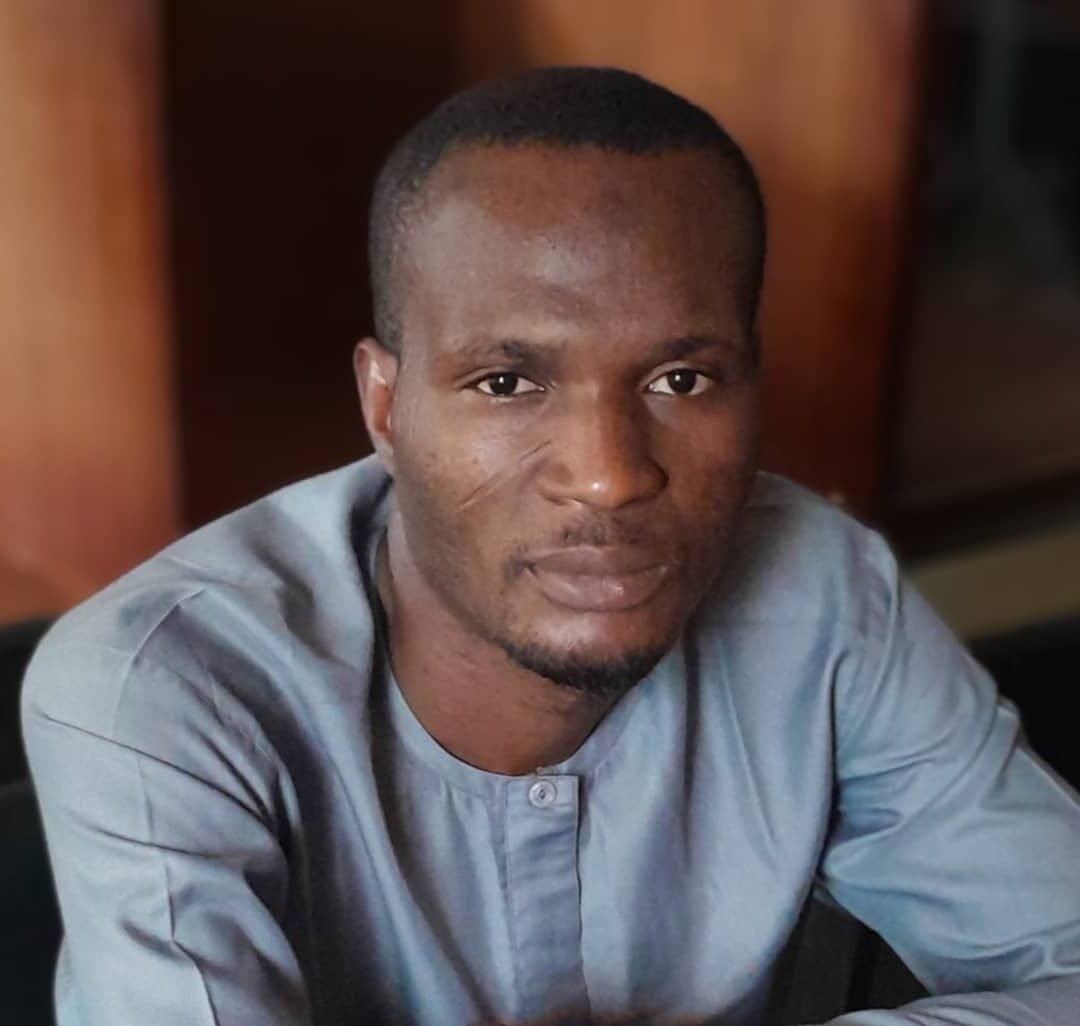
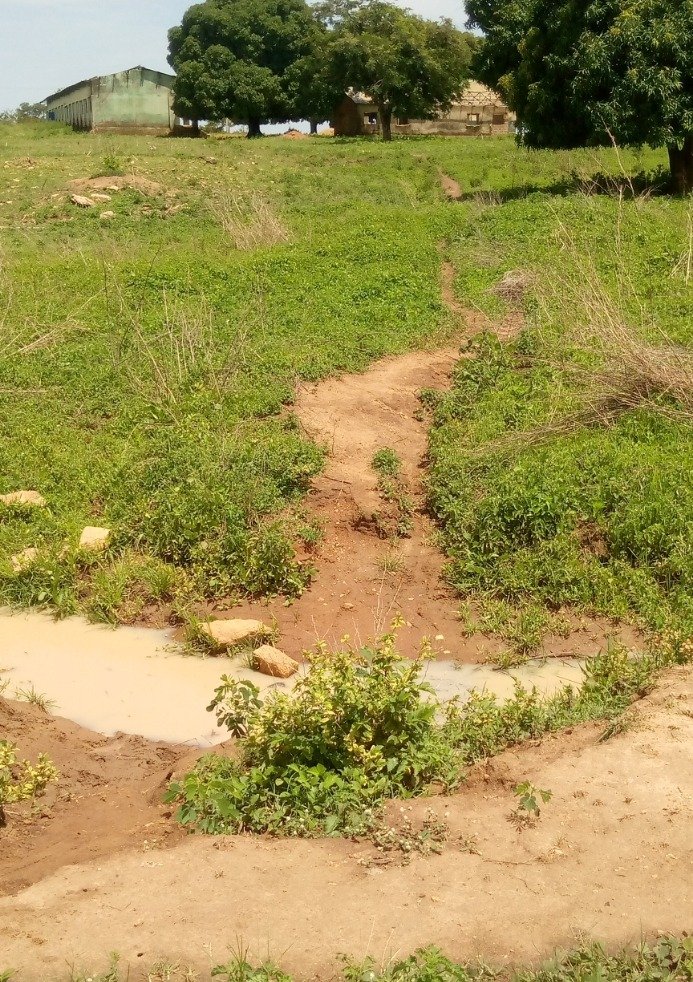
One Wednesday morning sometime this year, Lukman Mohammad, a basic five pupil of Ukago Primary School Wamba, tried to look at the blackboard but his eyes blurred as he sat with his colleagues in the classroom. He recalled a day when his throat became dry, his head felt light, the ground seemed to sway beneath him. Not long, there was a headache, then fever. The thirst he endured gripped him that he stopped comprehending what the teacher was saying. When asked where he fetches water when thirsty, he said he had to go back home to drink water in Wujji village, almost two kilometres from the school.
On another day, while he was away to drink water in his village, visitors came to the school and shared writing materials. He missed the opportunity to get one.
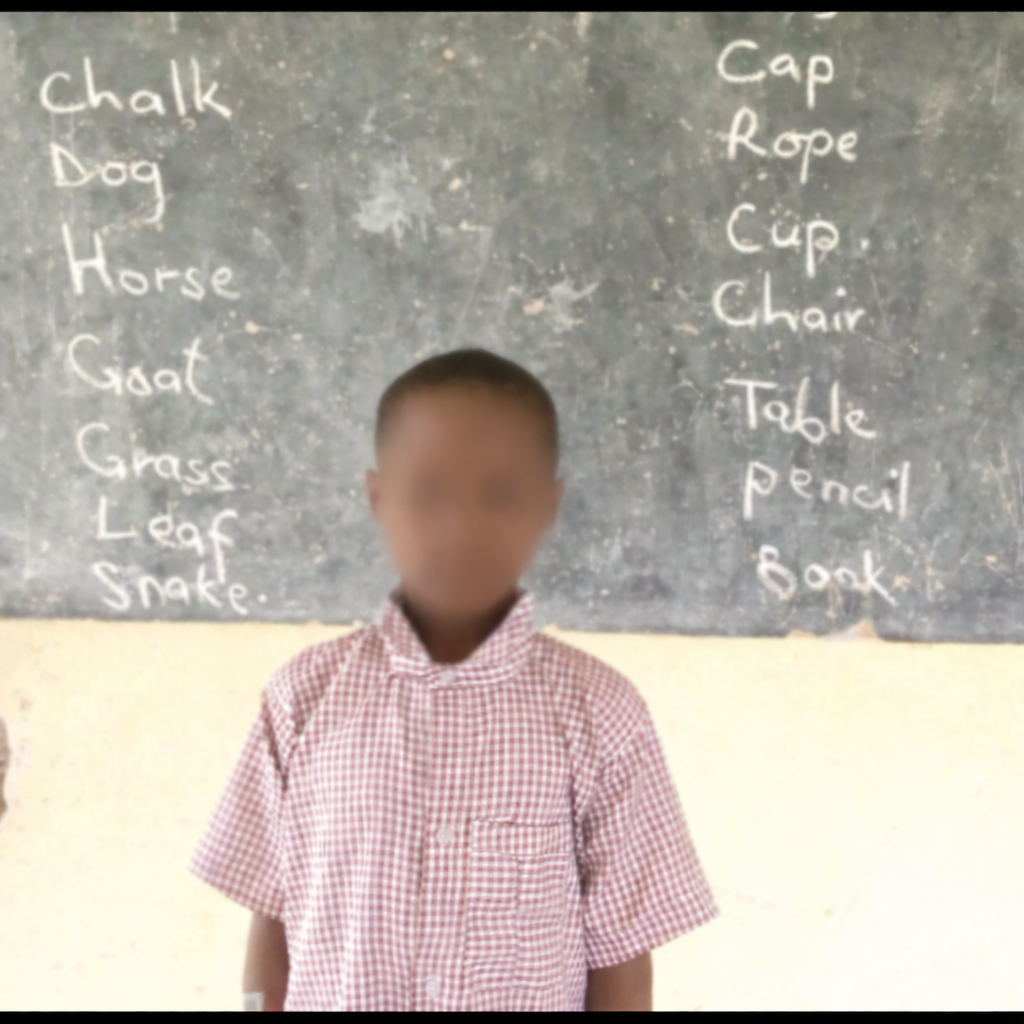
“They came and shared an exercise book and I missed it because I went in search of water to drink,” he told The Liberalist, adding that they get water from the river in the village if they cannot find a drop from the village tap.
Hajara Saidu, a primary two pupil, also fell victim to the water scarcity in the school. Like Lukman, whenever she endured thirst for long hours, her stomach used to ache. But due to the lack of water around the school, she never drank until she returned home.
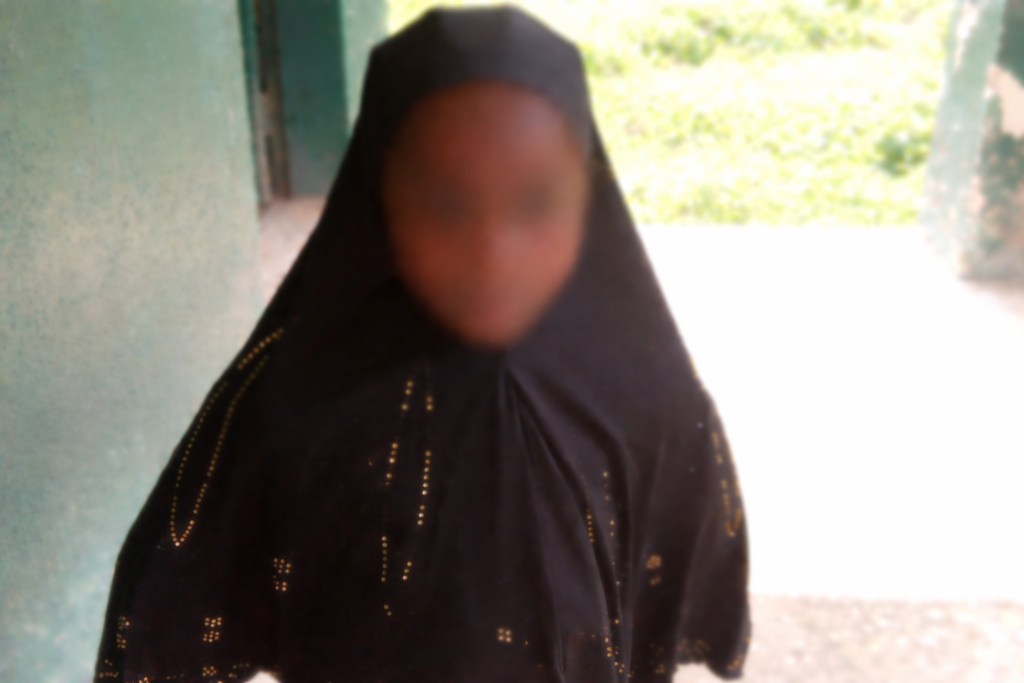
“If we see tap water in our school, we will be drinking the water,” she said, her words, reflecting a quiet longing and curious demand.
This helpless condition of water scarcity in the school further pushes many pupils to explore dangerous routes and rely on any available options to quench their thirst. For instance, if the rivers are not dry, the pupils follow the inlet to the bush, sharing the flowing water with animals. However, this situation unsettled Abdulhamid Usman, a 38-year-old teacher of the Ukago Primary School in Wamba local government area of Nasarawa state. He knew that once a pupil raised a hand in class and noticed their mouth was dry, it was about water, not a question.
One after the other, the pupils would ask for permission and leave the classroom to search for drinking water. Abdulhamid became worried as he tried to stop the pupils, but many would still evade him, sneak out of the class, and vanish from sight.
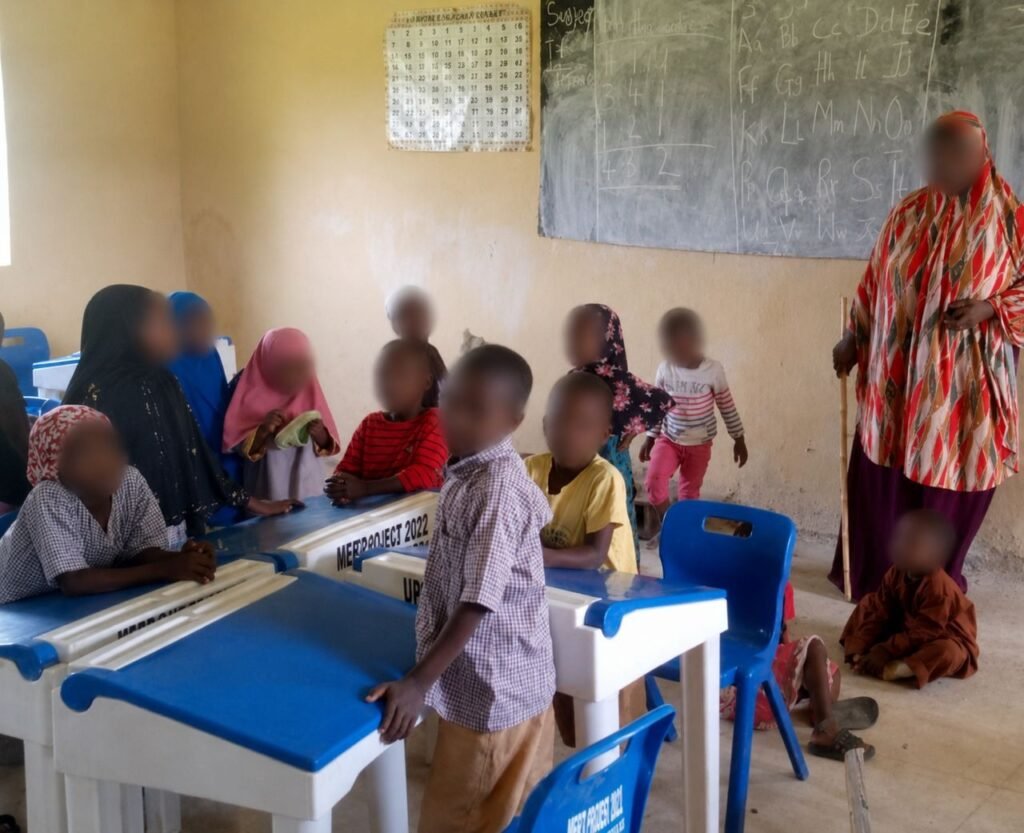
This predicament not only frustrates teachers, but also disrupts classroom lessons. Pupils often find their way to the playground or head back to their homes.
Abdulhamid told The Liberalist that, “Before the pupils find water to drink, they would have to go beyond the school premises, trekking a long mile to the neighbouring villages of Ungo, Ukaya and Wujji to fetch as much as they can.”
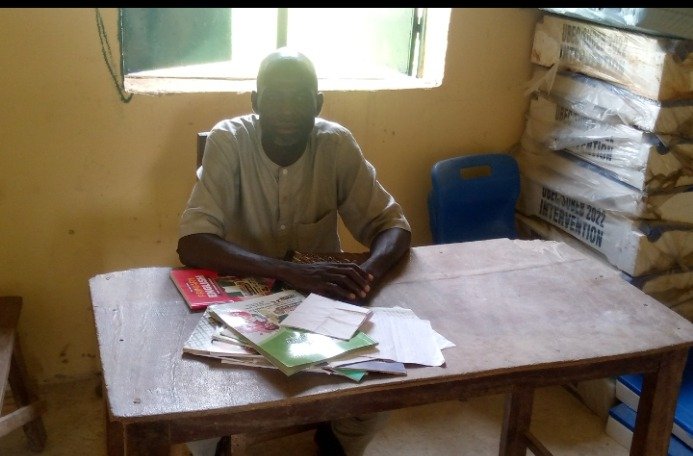
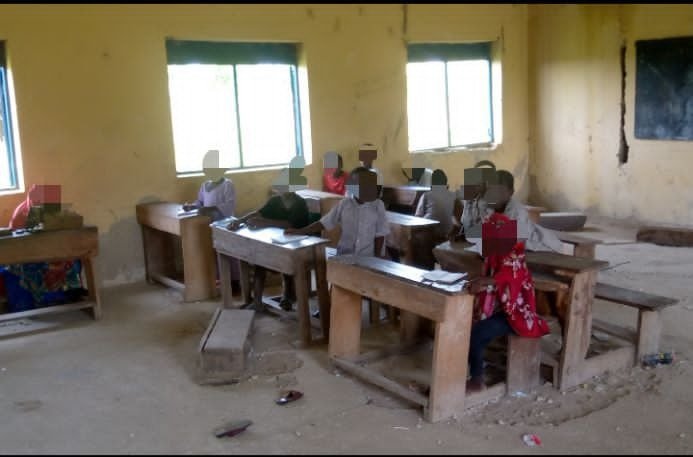
Yakubu Rabo, the headmaster of the school, was unhappy with the state of the institution he was made to head. The school had no toilet and no running water. Anytime the pupils went out to look for water, he feared an accident because motorcycles and cars rode along the road.
But the worst often happened. Sometimes when the pupils defecated, instead of washing their bodies with water, they used stones and leaves.
“We don’t have water. If they defecate, the water to drink is already a problem, let alone washing their bodies. They use stones and leaves to clean their bodies. We don’t even have toilets. They normally enter the bush to defecate,” Yakubu said.
Pupils at Risk of Contracting Water-borne Disease
As these children resort to open defecation and drink contaminated water from rivers, health practitioners warn that they risk contracting water-borne diseases like cholera.
Speaking with The Liberalist, Bala Gadanga, a director of health services at the department of medical sciences and technology at SAISA University, Sokoto, said when water is polluted by stool in a river, the pupils can contract dangerous illnesses such as cholera, dysentery, hepatitis A, giardiasis, poliomyelitis, typhoid fever, and intestinal worm infections. The health expert noted that many of these diseases are deadly to human life. For instance, cholera can lead to severe diarrhoea and vomiting, forcing the victim to lose a lot of fluid from the body.
“For gastroenteritis, an individual may also experience a lot of diarrhoea, and that diarrhoea might cause dehydration especially in children,” he said.
Bala noted that water from a borehole is preferably better and safe for pupils to drink. “The role of the government is very critical because if the government abandons public primary and secondary schools, our children will be at risk of contracting these illnesses. So the government should provide toilets and water in all the schools,” he said.
The United Nations Children’s Fund (UNICEF) revealed that poor access to clean water in Nigeria significantly contributes to the higher morbidity and mortality rates in children under the age of five. As the pupils in Ukago Primary School fall within the age range highlighted by UNICEF, the water they consume daily leaves them vulnerable to disease and untimely death.
According to UNICEF, the use of unhygienic water sources and unsanitary conditions increases vulnerability to water-borne diseases, including diarrhoea, leading to the death of more than 70,000 children under the age of five every year. However, the international organisation noted that clean water, basic toilets, and the hygienic practice of personal sanitation are essential to the development and survival of children. It added that individuals contract over 73 percent of diarrhoeal and intestinal cases due to a lack of access to clean water and toilets.
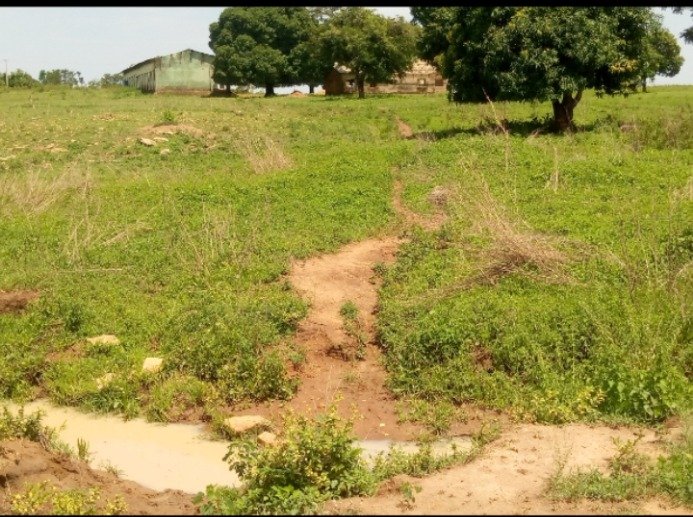
The United Nations Sustainable Development Goal 6 advocates for safe drinking water and posits that access to clean water is a right to human life, and is essential to health, education, and poverty reduction. According to UNICEF, for Nigeria to achieve this goal by 2030, the country needs to increase its budget to achieve the objectives of Water, Sanitation, and Hygiene (WASH) set by the World Health Organisation (WHO).
As parents move out pupils from schools in villages due to poor access to clean water and other basic necessities in rural schools, teachers and parents believe schools and pupils in urban areas benefit more from government projects than those in rural communities, raising questions about inequality and official neglect. However, not granting rural children access to potable water to safeguard their health violates children’s rights according to Nigerian law.
Section 13 of the Nigerian Child Rights Act of 2003 states that a child has a right to health and health services. Subsection 1 of the act furthers that every government, institution, service, or body responsible for this is required to provide the child’s best attainable health, mandating the government to ensure the provision of safe drinking water and good hygiene, and to reduce child mortality rates.
The Multi-Billion Naira Allocations
As many school children continue to suffer acute water scarcity in villages, interviews with head teachers revealed that officials from the Nasarawa state government have been visiting and evaluating the schools’ rural communities without adequate intervention.
However, a search shows that the government has been allocating billions of naira over the years with little to no concern toward the provision of water in schools.
In 2022, the Nasarawa state government budgeted over ₦31 billion for education. Daniel Agyeno, the then state commissioner of finance and planning, reiterated that education is the first priority for the state, which is why the government allocated a large amount of money to it. But the current reality reflects a different picture.
Similarly, the Education Ministry gulped billions more into its coffers. In 2023, it received the highest allocation, amounting to over ₦37 billion, more than any other ministry in the state. In 2024, the budget significantly increased to nearly ₦41.9 billion. Fast forward to 2025, according to the breakdown, the government jointly allocated a staggering ₦78.16 billion to Education, Science, and ICT. This whopping amount is larger than any amount budgeted to any other sector last year.
Subsequently, there was a further increase in 2026. When Governor Abdullahi Sule presented the current budget, education consumed over ₦92 billion. The governor said the budget aims at infrastructure development and strengthening human capital. Nevertheless, pupils in Ukago Primary School and other schools in villages endure hardship due to a lack of water. Amid the billions allocated every year, they await the government’s effort to provide amenities as basic as water and sanitation facilities.
Meanwhile, spending on education is not just state government effort, over the years, the federal government, through the Universal Basic Education Commission (UBEC), distributes billions of naira to the Nasarawa state government under its matching grant initiative. These intervention funds are expected to address the challenges of public primary schools across the state.
In 2019, the state government received over ₦1 billion. In 2020, the allocation was ₦715 million. While the funding continued to flow, the federal government disbursed ₦946.65 million in 2021. Also, between 2022 and 2023, Nasarawa got over ₦2 billion in allocations.
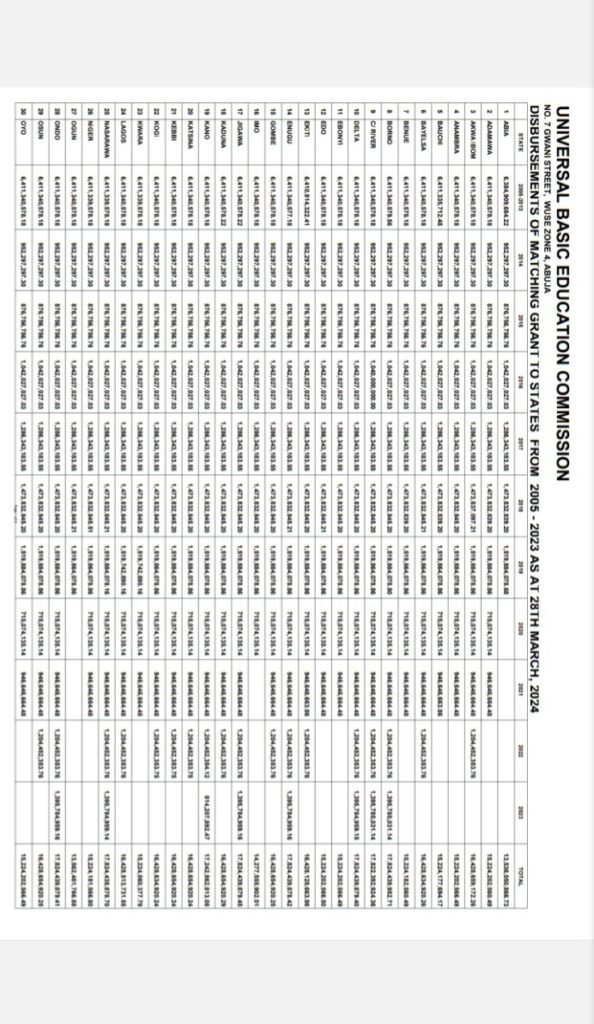
A search into the funding documents also shows that from 2005 to 2023, the Nasarawa state government generally received a total of ₦17.82 billion in UBEC funding from the federal government.
Attempts to speak with the Nasarawa state Ministry of Education proved abortive as of press time. Dr John D.W. Mamman, the Commissioner for Education, failed to respond to direct messages sent to him. He did not reply to a message sent to his WhatsApp channel, and his mobile phone remained unreachable when attempts were made to contact him.
More Schools, More Problems
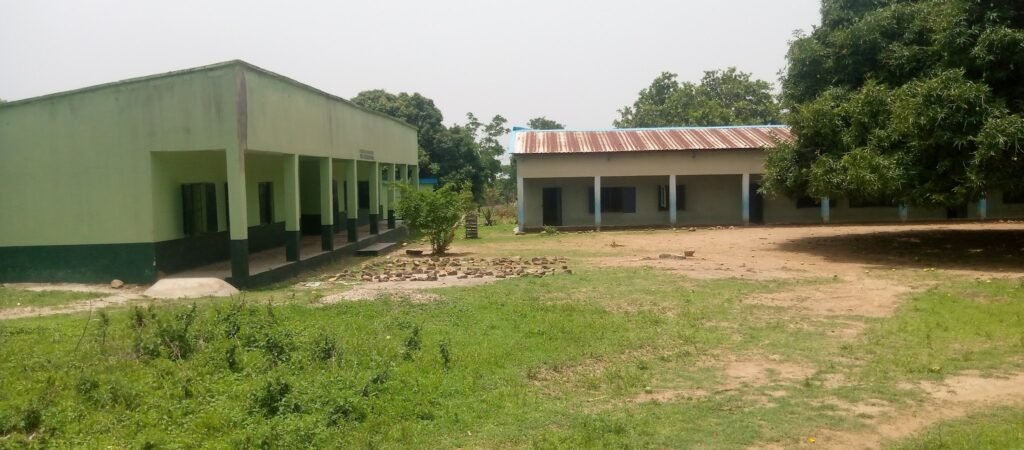
In Gwagi Government Primary School, water scarcity burdens the headmistress, Jumai Dauda. She worries about her pupils whenever they go to neighbouring houses to beg for water. To address this, she bought a jerrycan and instructed primary five and six pupils to fetch water to store on the school veranda.
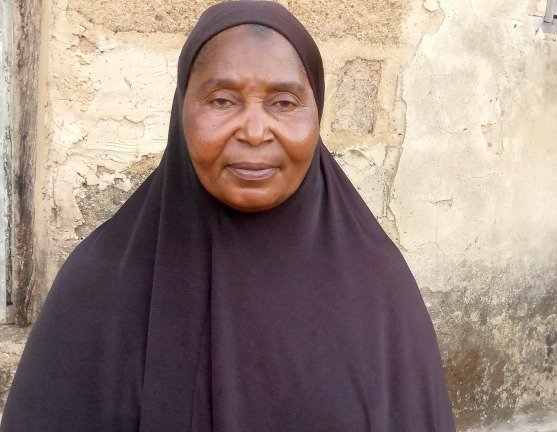
However, this measure provided little relief. After a few pupils drink, the jerrycan would become empty again, restarting the search. The assigned pupils would leave their classes to fill it at a nearby tap, which requires electricity to pump water. If the power failed, the pupils returned to an empty jerrycan and endured thirst for the day. In an interview with The Liberalist in April, Jumai pondered her upcoming retirement in two weeks. She yearned to see a borehole drilled at the school before she left.
When UBEC officials from the local authority and Abuja visited the school to evaluate its challenges, the headmistress complained about the water scarcity. The officials gave her forms to fill, bringing hope and a smile to her face. Yet, despite filling these forms during multiple evaluations, the government remained silent and failed to drill a borehole.
“I fill in forms many times. The staff from UBEC come to evaluate us many times. The UBEC from Abuja also came to us. I complained about it and the fences, but the borehole is my main problem. That’s the complaint I always fill my form for,” she told The Liberalist.
Before the first term holiday, a horrific incident along the road linking to the neighbouring village forced the headmistress to restrict children from leaving the school premises. A kidnapper grabbed a woman’s daughter and ran into the bush. The incident terrified the children and made Jumai dread letting them wander. Balancing pupils’ safety against their thirst became a puzzle she could not solve.
“The government should help us. They should help the school generally. We are having problems with water. If they bring even at least a borehole to us, it will help us because the pupils are suffering; moving helter-skelter looking for water is bad,” the headmistress said.
Gwagi Government Primary School serves 108 pupils from primary 1 to 6, with nine teachers, drawing children from Gwagi, Ungwan Mangoro, Rugan Ardo, and Gwagi Deputy. Despite their efforts to acquire an education, these pupils consistently grapple with severe water scarcity.
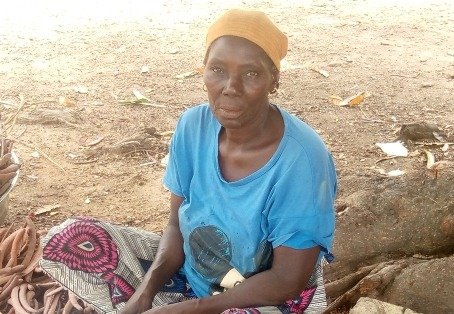
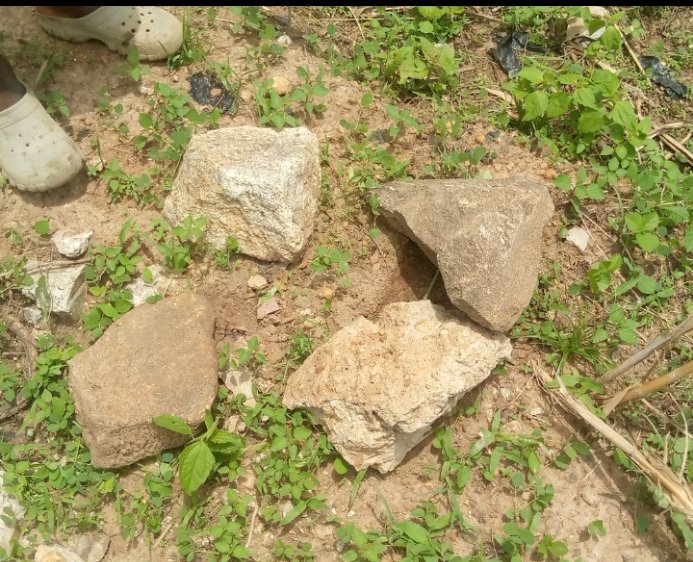
Khadija Suleiman, a parent whose grandchildren, Zainab and Unaisat, attend the school, noted that when children sneak home to drink water, parents must chase them back to the classroom. She revealed that some time ago, officials inspected the school field and marked a spot to drill a borehole, but later diverted the project elsewhere. She showed the reporter the area, which community members marked with stones
“We complained that children are suffering due to lack of water and they still took the water project to another place. It’s totally not proper. We later kept quiet because we do not have the power to say anything again,” she said.
While the agony of thirst persists, pupils continue to scavenge for water, which dampens their morale and discourages learning. If these learners choose to stay home due to the lack of water, it will worsen Nigeria’s ongoing crisis; as of 2026, the country records 20 million out-of-school children, further threatening the economy.
The Plight of LGEA Kose Primary School
Surrounded by farms, rivers, and bush, LGEA Kose Primary School resembles an institution built in the middle of a forest. Along the access footpath, motorcyclists must constantly dodge small holes and stones before entering the school premises. Yet, the pupils still brave this road daily to attend their lessons.
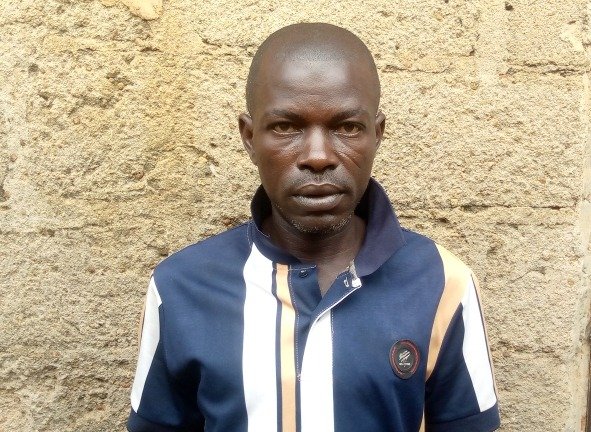
Sani Yahuza, a class teacher, explained that staff and pupils face immense difficulties accessing drinking water. In 2020, the school community celebrated when officials arrived and drilled a borehole. However, the borehole stopped working after just six weeks. When the school reported the failure to the Ministry of Education in Lafia, officials acknowledged the complaint but refused to take action. Consequently, pupils must now drink from a nearby river or travel to neighbouring villages.
On a visit to the school, The Liberalist observed the broken borehole. The handle had slackened completely, making it impossible to pump water. Multiple attempts to operate the mechanism proved futile as nothing came out of the pump head. Furthermore, reddish rust stains dotted the borehole base, showing that the low-quality metal had rapidly deteriorated.
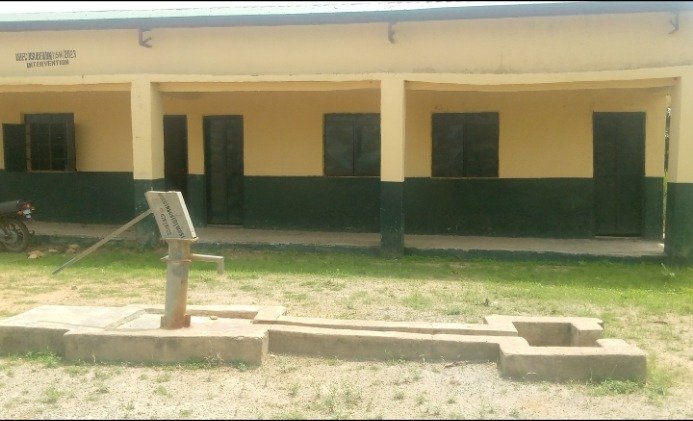
“They did it in 2020,” Sani said. “Since they drilled the borehole, it only worked for one and a half months, but up till now, it has not been working again.”
The school, which enrols over 87 pupils, serves three local villages, including Kose, Klama and Bambu. None of these children have been able to access water from the borehole for over five years.
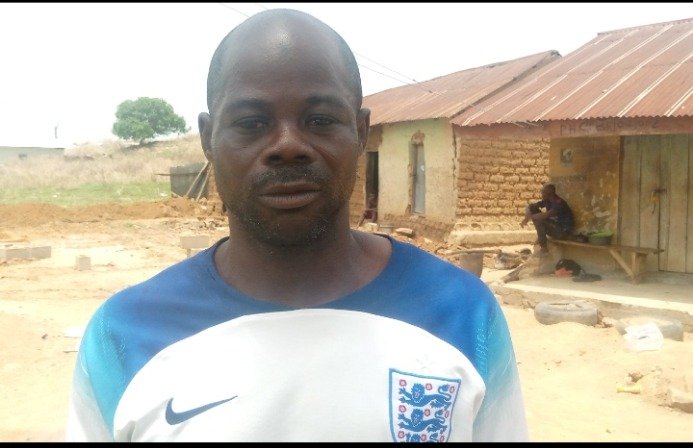
Isyaku Abubakar, a father of two pupils and Chairman of the School Management Committee, expressed deep frustration over the abandoned project. “It’s the government that did it. They did it and left some pipes,” he said. “At least if there is no food to encourage children to stay in school, there should be water to prevent their thirst.”
Both the teachers and parents in LGEA Kose Primary School remain saddened by the substandard project, which failed barely a month and a half after its construction.
The Future of These Children
As pupils across many rural schools grapple with a lack of boreholes and tap water, Boniface Elvis, an education development expert and Managing Director of Edugist, a Nigerian-based Education platform advocating for the development of education and innovation, warned that children without water inside their schools lose vital learning time.
He noted that severe water scarcity dehydrates pupils and teachers, causing fatigue, headaches, laziness, and reduced concentration.
“Then there’s also a low attention span,” he said. “Children struggle to stay focused in class, especially in hot climates, because of the quality of water they drink. Teachers too end up sourcing water themselves, which diverts time from teaching.”
He explained that these constant interruptions break the cognitive flow of children, making learning disjointed. When pupils leave the room and return, they often struggle to reconnect with the lesson.
Boniface further stated that the lack of water triggers higher absenteeism rates, directly undermining teaching and learning. He emphasised the safety risks facing the girl-child and the potential for mass dropouts if the situation persists.
“There is low academic performance which is affected,” he said. “There is increased dropout risk. Repeated hardship feels burdensome, and children will wonder why they are struggling with basic things like water. Walking to rivers in neighbouring villages, children, especially the girl-child, will be exposed to physical danger and sometimes exploitation.”
To resolve this crisis, he urged the government to provide immediate infrastructural solutions, advocating for legislation that mandates boreholes and solar-powered water systems in all rural schools.
_____________
This report was produced as part of the HumAngle’s Strengthening Community Journalism and Human Rights Advocacy (SCOJA) project, supported by The Kingdom of Netherlands Embassy in Nigeria.