
This story was supported by the Pulitzer Center.
When terrorists pillaged his village and killed his friend, he thought he had seen the end of violence and human suffering, but he had only witnessed the beginning. One night, in 2020, Saidu Modi* slipped through the window of his room and jumped out into the darkness. Motorcycle-riding gunmen had violated and uprooted people from their homes in a small village in Zamfara, northwestern Nigeria.
He took a ladder lying outside and crossed to an uncompleted building to hide. As he sat, he noticed the rough concrete had scratched against his thighs and knees. By the time he settled into position, the skin on his legs had reddened and begun to sting. Small abrasions had marked the surface, leaving painful, itchy scratches that throbbed with every slight movement. Outside, he heard a familiar voice agonising. He peeped and saw his friend tied with a rope by the gunmen and forced toward the bush.
“He was resisting and kept telling them he would not follow them,” Modi recalls. “They shot him twice.”
For nearly an hour, the voices, footsteps, and occasional bursts of gunfire filled the night. Before dawn, the sounds had faded. When he finally left the hideout, his gamble-turned-luck had paid off, but he lost his friend and a family member to the night raid. In the days that followed this attack, the villagers continued recording isolated incidents of people killed and missing after going to the outskirts of the village. Farming would soon become dangerous and deadly in the community, forcing many farmers, including Modi, to abandon their farms. Looking to sustain a living, a friend who saw how miserable life could be for him without a job invited him to start mining, an illegal and deadly enterprise in the state.
In 2019, the federal government banned all mining activities in Zamfara, citing the trade as a driver of insecurity. From that point, all mining in the state was officially illegal. It was not until December 2024 that the government lifted the restriction, announcing plans to reintroduce mining under what it described as tighter regulation and formal oversight.
In remote areas that had little or no governance, illegal mining continued as if it were never banned. It was also during this period that Modi gathered experience as an artisanal miner. “I wish I had an alternative,” he grumbles, “but I didn’t.” He thought the bandit’s influence in shaping his life trajectory was over. The attacks on his village and the unsafe passage to his farms had forced him into mining. What he could not imagine was that one day, he would work for the same people who killed his friend and family and stripped him of his legitimate means of livelihood.
Enslaved to Dig
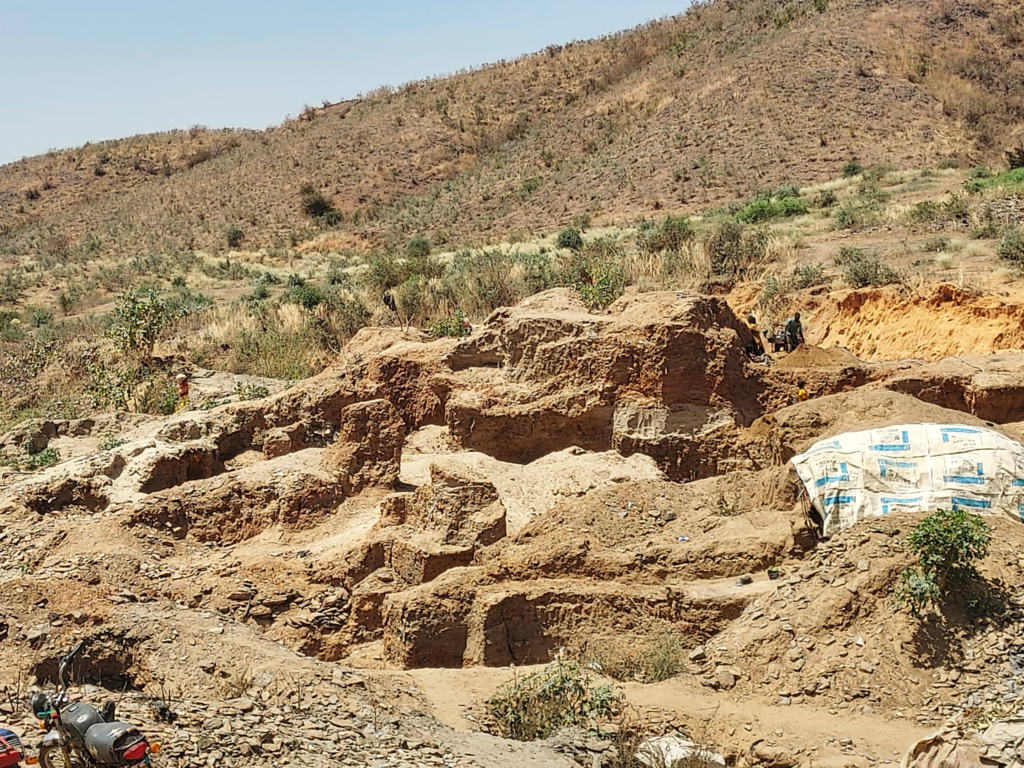
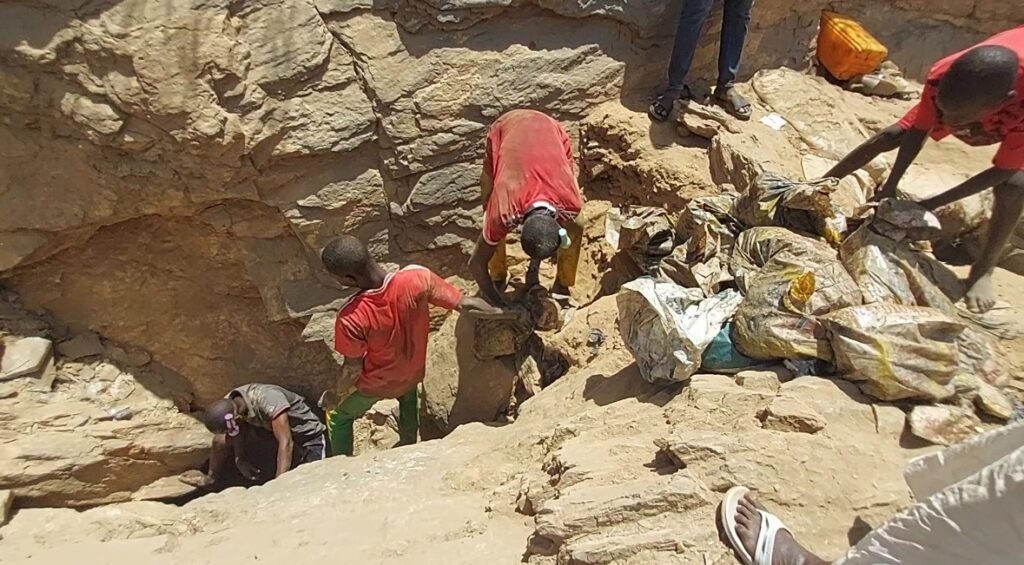
One afternoon outside Anka, Modi and a group of local miners had spent hours digging through compacted soil, searching for traces of gold to sell. When they finally struck a small deposit amid dry air and hard ground, a quiet relief washed over them. The day had not been wasted, and they would take something home. As they prepared to leave, five men with rifles approached the mining site. Their appearance was not strange to the miners; they are known for terrorising this part of the state, and their presence could only mean daylight robbery.
“At first, they only took the gold,” Modi tells The Liberalist. “Then they came back and told us we would be working for them.”
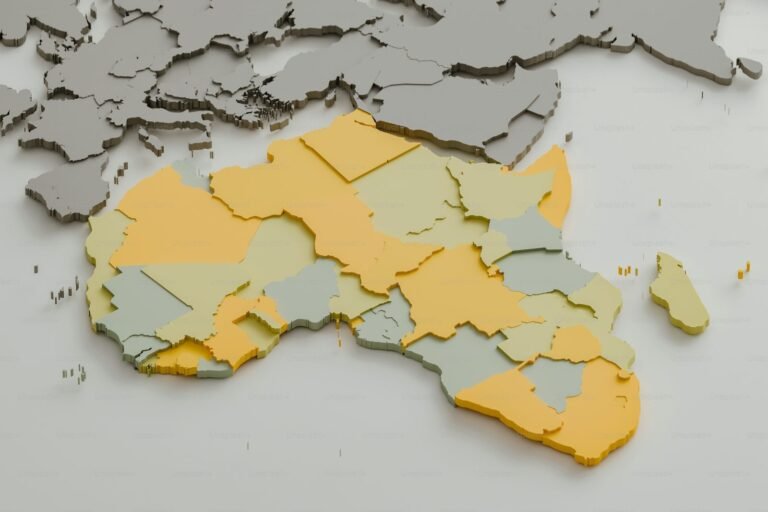
Beneath the dry, dusty soil of the northwestern region lies gold. Earlier this year, the Central Bank of Nigeria (CBN) announced that the country’s gold reserves now total $3.5 billion. This volume is estimated at approximately 35 tonnes, but that is just a scratch of what lies beneath the soil. According to Nigeria’s Mining Growth Roadmap, the country’s soil may contain around 200 million ounces (6,220 tonnes) of gold.
For decades, people in rural communities sitting on this fortune have dug small quantities of the metal through artisanal mining to make a living. Many survive in shallow pits scattered across farmland and rocky hillsides. But over the past decade, the gold fields have been changing hands.
In many parts of Zamfara and Katsina states, proscribed terrorist organisations have moved into mining communities, seizing control of pits, forcing artisanal miners to work for them at gunpoint, and turning what had once been a fragile rural livelihood into the foundation of a violent underground economy. What followed, residents say, was the rise of what locals now describe as “gold slavery.”
Interviews conducted by The Liberalist with dozens of locals working for terrorists in mining sites across several villages in Zamfara confirmed that many of the enslaved workers were not always miners. Some were farmers whose fields became unsafe to cultivate because terrorists had taken control. Some were small traders or labourers displaced by terror attacks. With no options left, they turned to mining.
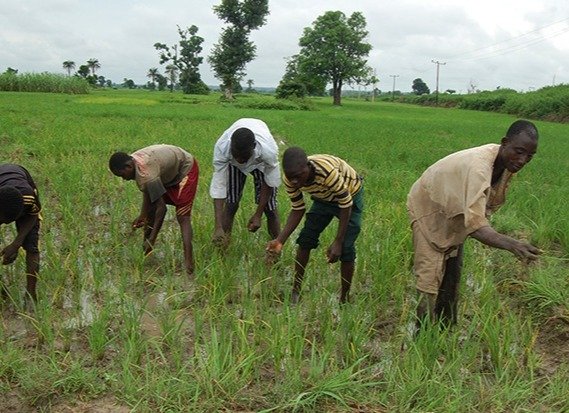
Musa Garba*, who works for terrorists in Anka, still remembers the day he stopped being a farmer. Before the attacks, he grew millet and sorghum on a small piece of land inherited from his father. That changed the night armed men ransacked his village. The next morning, those who attempted to go to the farm were chased away or beaten. The fields became no-go areas as terrorists declared dominance over the expanse of land. Garba said the village was surrounded by mining sites, and terrorists were taking control of them. With farming no longer possible, he accepted an invitation from his friends, who told him the only remaining means of livelihood was mining.
“At the beginning, I thought we would just dig and sell,” he says. “I had no idea that we would be working for terrorists.”
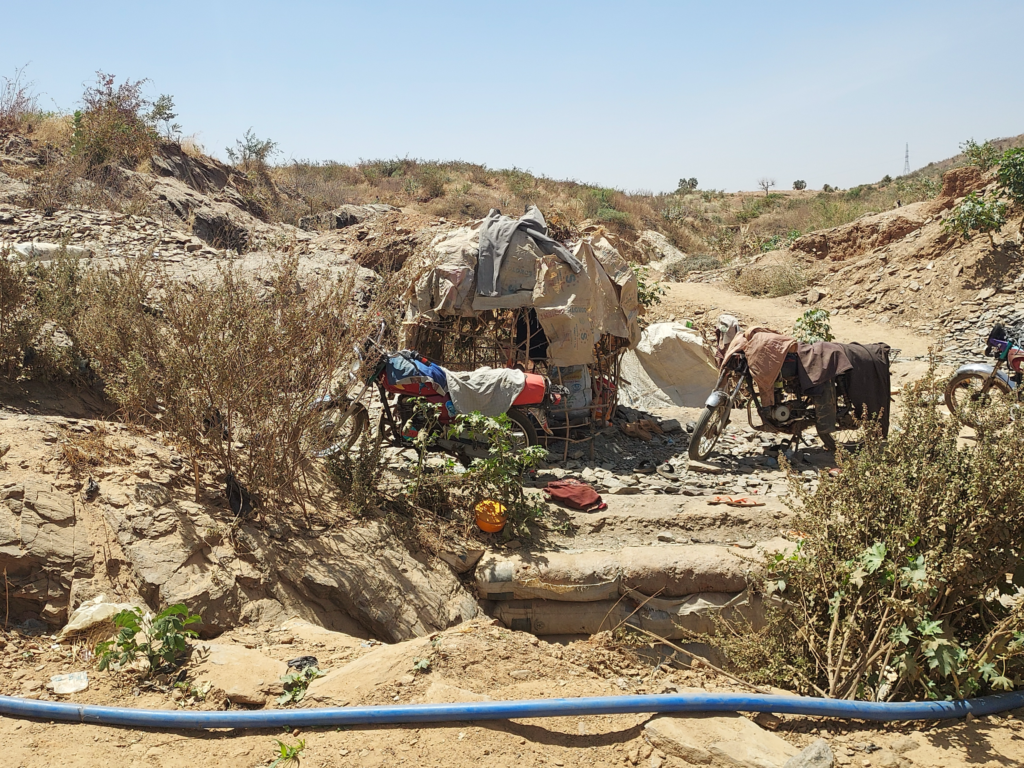
At the site where Garba now works, labourers are given small payments, sometimes food, sometimes nothing at all. He learned on the job, guided by other desperate men who had become experts out of necessity. They dig narrow shafts into unstable ground. Collapses are common, and injuries go untreated. But those are the least of the workers’ worries. The real danger comes from the men who watch over them.
One afternoon, Garba recalls, a boy no older than sixteen tried to hide a small piece of gold in his pocket. He was caught before he could leave the site.
“They beat him in front of everyone,” he says. “The boy could not stand up, and they didn’t let anyone attend to him.”
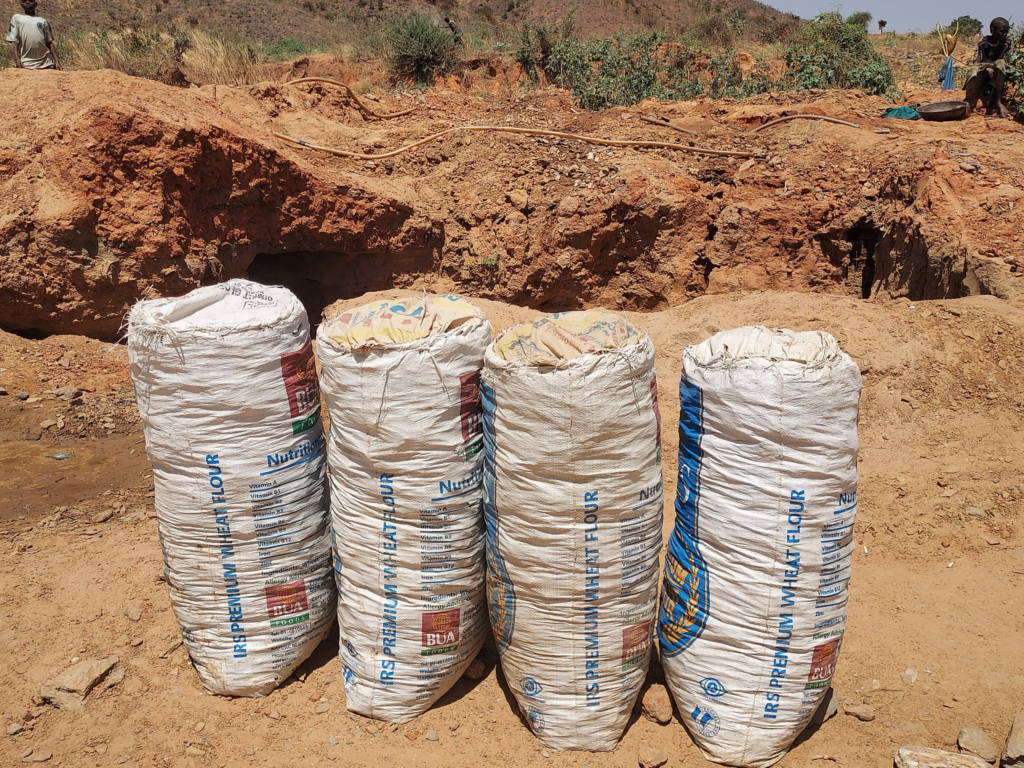
How the terrorists compensate their enslaved workers differs based on the groups they work for. Some groups allow miners to keep a fraction of what they find. Garba remembers when eight of them worked for a terrorist group for three days and were able to extract up to 12 Solos, bags of gold-mix sand. The group gave them one bag to share as their allowance.
While the miners always feel a sense of being cheated and exploited, for people with no other source of income, entering the pits even at gunpoint offers a prospect of economic comfort.
“You wake up, you go there, you dig,” Garba says. “You don’t know if you will come back.”
One day in the late afternoon, in a village not far from a mining site outside Anka, Shehu Danlami* and his friend went out to work on a farm. Suddenly, two men with rifles emerged from the bushes. Danlami’s friend attempted to run, but he could not escape. “They shot him,” says Danlami. “He fell. Then they shot him again.”
Danlami too felt the instinct to run. But he stood still at first, hoping the gunmen would ignore him. When their attention focused on the man on the ground, he ran.
“I didn’t even know where I was going,” says Danlami.
He plunged into a nearby guinea corn and millet farm, pushing through the tall stalks as gunshots cracked behind him. He stumbled, fell, got up again, and kept running until he no longer heard the sound of gunfire or footsteps behind him.
After that day, everything changed. As a labourer, his work was always at the outskirts of the village, but with his friend dead, this experience has just confirmed the danger he had been warned about, and it is no longer worth it. He decided to stop going to work. For a while, he loitered around the village, uncertain of what to do next. It was during this period that friends began reaching out to him and sharing job openings at the mining sites.
At first, he says, the presence of armed men around the mining site felt intimidating. Then he got used to it. While his new job covers his daily expenses, the only problem is that “you go there to work, but you are not working for yourself,” he says. “If you are lucky, you get something. If not, you go back with nothing.”
Working for terrorists in Anka and its environs provides security from attacks, the type that the state security apparatus struggles to ensure. But that security comes at a cost. Miners work overtime, receive paltry compensation, and face risks of robbery or double-work from rival terrorist factions. On good days, Danlami says, a miner earns up to ₦200,000 in a week. But good days do not come often.
Even when miners manage to keep a share of the gold they extract, getting it home is another risk. Armed men from another faction, and sometimes low-ranking fighters from the same group, could stop them on the road and take everything. Other times, fighters from rival factions would intercept them and demand that they come and work for them instead. Refusal, at this point, is certain death.
Gold Slaves

A day in the life of a “gold slave” is, in many ways, no different from the life of a bricklayer or a casual labourer. Hashimu Amir*, a 45-year-old who lives in Anka, says there are two ways people get recruited to work for the armed groups. The first is to wake up early, walk or take a ride to a meeting point in Abare, a village near Anka, and wait. Dealers arrive there to pick workers for the day’s job. The second is to form a group, appoint a leader, stay at home, and wait for a call. If work is available, the dealer reaches out to the leader and tells you where to go.
All the miners The Liberalist interviewed have one thing in common. In addition to their village being attacked, each of them has experienced losses. Like Modi, who lost a family member and a friend during a terrorist attack on his village, and Danlami, who lost a friend, Amir lost his father after being kidnapped. His father had travelled to Nasarawa, a village in the Bukkuyum local government area of Zamfara state, and was on his way back home. But near the stretch that passes through isolated bush paths before reaching Anka, armed men stopped the vehicle and kidnapped all passengers.
“We were raising money for ransom when we heard that he’s been killed,” says Amir. “We don’t see his corpse to this day.”
When asked if the terrorists had ever attacked his village, Amir laughed. While he had not specifically mentioned to this reporter that his village was attacked, asking this question sounded ridiculous to him. “Every village in the Anka local government has been attacked by these terrorists,” he says. “It’s like they own it. They come in anytime they like.”
Before working for the armed groups, he ran a small provisions shop in Anka. It was a modest business where he sold cold drinks and other items. But armed men began entering the community more frequently and started taking goods from his shop without payment. “You cannot ask them for money. If you talk, they will threaten you,” he tells The Liberalist. “Sometimes, on my way home at night, they would stop me on the road and take the cash I had on me.”
At one point, Amir began to see the shop as a liability after recording more losses. Soon after, he succumbed to advice from his friends asking him to move into gold mining for the terrorists.
The Gold Economy
In the troubled regions of Nigeria, terrorists have turned gold into a major source of income. Miners working in areas controlled by these groups say some terrorist leaders make as much as ₦100 million every week from illegal gold mining. The money is used to buy weapons, recruit fighters, and expand their operations across the region. Dele Alake, Nigeria’s Minister of Solid Minerals Development, confirmed in 2023 that illegal mining operations are used to fund terrorism.
“One pernicious discovery that we made is that a lot of the banditry, terrorism, and insecurity that we associate with this [mining] sector are actually sponsored by illegal miners,” he says.
The consequence of the mining-enabled terrorism and the booming illicit economy has been devastating for the local communities. An investigation by Amnesty International confirmed over 294 people were killed and 306 displaced in Katsina by terrorists between 2023 and 2025. While in Zamfara, more than 638 villages were attacked. Maru, a local government in Zamfara, witnessed consistent attacks in 2025, including an attack at a mining site where more than 20 miners were killed. Many of these conflicts are linked to terrorists’ control over land and gold.
One of the key figures in these incidents was Halilu Sububu, a man locals in the Anka and Maru areas of Zamfara say played a major role in bringing terrorists into the gold mining industry. Over time, his group took control of several mining communities. Villagers describe a pattern common during Sububu’s time. Armed men would arrive in large numbers, raid communities, and force residents to flee. Once the area was emptied, the gunmen would reopen nearby mining pits under their own command. Some villagers later returned to the same mines and started working as labourers under the authority of the very men who had driven them from their homes.
According to Dr John Ojo, a postdoctoral research fellow at the Institute of Security and Global Affairs, displacing communities is considered one of the strategies for accessing natural resources, including gold. When terrorists attack, “communities become vulnerable while the armed groups maintain dominance,” he says in an interview with The Liberalist.
Although Sububu was killed by the Nigerian military in 2024, even after his death, residents say the system he helped establish did not disappear. Instead, it became fragmented and more dangerous as numerous factions emerged, competing for dominance. While the gold beneath the soil of Zamfara was once seen as a promise of prosperity, it has become a source of deepened violence for the people, uprooting communities and trapping countless workers in a cycle of exploitation.
No Way Out
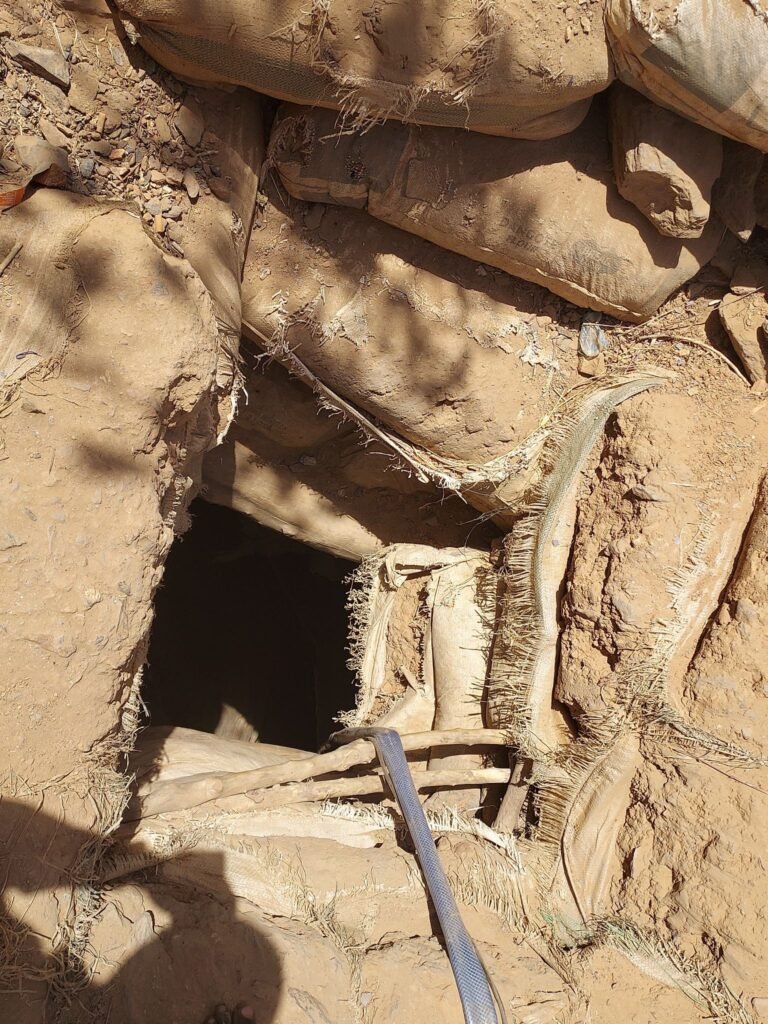
If Modi had a superpower, he would fight the terrorists and liberate himself. For years, he has worked as a gold slave for different armed groups, and he does not see himself doing any other work. Slaving for people who killed his family and stripped his dignity is not the life he wants.
“All I want is for the government to make the mining sites safe,” he cries. “We want the bandits gone so that we can keep what we work for.”
Danlami, who was a farmer before he was forced into slave labour for terrorists, says he wants to go back to his former occupation.
“If the government can make the farm safe,” Sheu says. “I’d like to go back to farming.”
Modi and Danlami’s demands are echoed by other miners, who want the government to make the mining sites, farmlands, and communities safe. The same armed groups controlling the pits are also pushing people off their farms. The patterns, as gathered from the locals, are that armed groups attack farming communities to secure access to gold-rich areas. With fewer people on the land, they face less resistance and can operate more freely. At the same time, those displaced farmers, cut off from their livelihoods, turn to mining as one of the only remaining ways to survive.
The local miners’ cries to the government to act are not falling on deaf ears. Over the past decade, the Nigerian government has launched several military operations and policies to combat the rise of armed groups in the northwestern region. One of the most sustained efforts is Operation Hadarin Daji, launched in 2019, which covers Zamfara, Katsina, Sokoto and parts of Kaduna states, focusing on forest-based armed groups and terrorist enclaves. In 2020, the military supported the ongoing operation and launched Operation Accord, a joint initiative targeting armed groups across the region, combining air strikes, ground patrols and coordinated offensives with state security agencies.
Together with these federal military operations, the Zamfara state government imposed a telecommunications shutdown in parts of the state in 2021, aimed at disrupting communication networks used by armed groups to coordinate attacks and ransom negotiations. This was followed by temporary restrictions on motorcycle movement in several high-risk local government areas, a key mode of transport used by terrorists.
Officials say these measures have produced some tactical gains. Security operations have led to the disruption of armed camps, recovery of abducted civilians in some instances, and temporary reductions in attacks in some places. This includes the killing of Halilu Sububu by the troops from Operation Hadarin Daji. In a few communities, residents also briefly returned when the military presence increased.
The situation has persisted despite these efforts.
Security analysts point to several structural reasons. One is geography. The vast forest belts stretching across Zamfara, Katsina, and neighbouring states provide cover and difficult terrain for sustained military presence. Another is manpower constraints, with security forces often spread thin across multiple conflict zones in the country. A 2022 report by the International Crisis Group noted that armed groups in the region have also become more decentralised, operating in small cells that are harder to track and dislodge through conventional raids. This makes it easier for them to retreat during operations and return once the Nigerian troops withdraw.
Experts also identify that economic factors play a significant role. Studies by the United Nations Development Programme (UNDP) National Human Development Report (NHDR) for Nigeria highlighted how poverty, youth unemployment, and weak rural governance create a steady pool of recruits and collaborators, especially in mining and farming communities where livelihoods are already fragile. This is specifically true for Zamfara state, where a report by the National Bureau of Statistics shows 78 percent of people are multidimensionally poor.
Analysts say this level of deprivation helps explain why armed groups can embed themselves deeply in local economies. With few formal job opportunities and limited state presence in rural areas, mining and farming become survival systems. So the gold-rich rural areas provide a source of income and a sufficient reason for armed presence, making it difficult to separate criminal activity from economic survival systems already integrated in local communities.
When considered together, these factors mean that while military operations and social policy can temporarily disrupt armed groups’ activities, they have not yet addressed the conditions that allow the system to regenerate.
The Liberalist’s multiple attempts to reach out to Zamfara State’s Ministry of Internal Security and Home Affairs for comment on our findings, particularly on how illicit mining fuels insecurity, were unsuccessful. Several calls were made to the ministry’s commissioner, Bala Muhammad, and his permanent secretary, Yazid Attahiru, but neither responded to nor returned.
Notwithstanding the challenges, Dr Ojo believes the Nigerian military is more than capable of defeating the terrorists and ending terrorism in the mining areas. According to him, the gallant soldiers have had historical success against extremists even outside Nigeria.
“We must consider the capability of the Nigerian military before the emergence of insurgency and terrorism in Nigeria,” says Dr Ojo. “The Nigerian military has played a vital role in West Africa, including its intervention in Liberia and Sierra Leone, among others. It is disheartening to see one of the best military forces succumbing to the insurgents and terrorists within their geographical jurisdiction. I believe it is not the issue of a lack of capability but a lack of political will to eradicate insurgency and terrorism.”
_________
*To protect their identities and ensure their safety, the names of gold miners mentioned in this story have been changed.