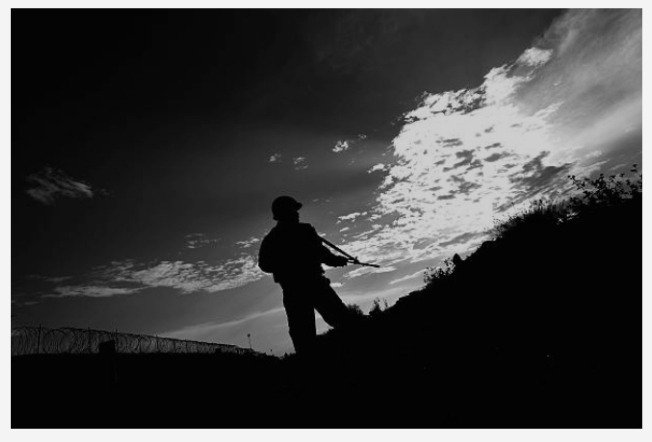
Armed conflicts and violent attacks continue to erode freedom across many African countries, forcing millions of people to flee their homes or seek shelter in unfamiliar places, according to the 2026 Freedom in the World report.
As violence persists in Africa, the traumatic experience has broken the peace of homes and disintegrated families, living the trails of ruins and fear. The international report established by the Freedom House traces these incidents which affect countries across the world. Since 1973, the Freedom House’s report has evaluated 195 countries on political rights and civil liberties. This year, it reveals that global freedom has declined for the twentieth consecutive year, saying 20 percent of the global population live in extreme fear
In countries like the Democratic Republic of Congo, (DRC), physical security remains weak due to the growing influence of violence and human rights abuses by government forces, armed rebel groups, and militias, particularly in the eastern part of the country. The Freedom in the World report notes that at least 900 innocent people lost their lives in dangerous acts of terrorism in 2025, while thousands more were forced to run away from their villages and cities as the crisis reached a dangerous level.
Analysts say the breakdown of security in the DRC stems from a government failure to tackle the scramble for natural resources, corruption, ethnic tension, and the unsuccessful reintegration of former rebel fighters. This vacuum allowed the reformation of the M23 rebels, who now terrorise innocent people across the eastern parts of the country.
Data from the Mixed Migration Centre reveals that over seven million people are displaced in DRC, and over one million fleeing their homes to seek asylum in other countries. In 2025 alone, over 7,000 people lost their lives as a result of atrocities committed by M23 rebels and hundreds of other rebel groups.
The humanitarian toll extends beyond physical violence to a worsening crisis of food insecurity, poverty, and hunger. According to the Norwegian Refugee Council, children and displaced families bear the brunt of these conflicts. In 2025, over 3,000 schools were closed, forcing children to receive lessons in shops and makeshift shelters.
“We urgently need two things to support the most vulnerable people in DR Congo: unimpeded access and adequate funding that supports both immediate relief and long-term recovery,” says Eric Batonon, the Norwegian Refugee Council’s Country Director for DRC, emphasised the gravity of the situation.
Consequently, the Freedom in the World report marked the DRC as a country without freedom, scoring it just 18 out of 100.
The Plight of Nigeria
Nigeria’s incessant attacks and violence by terrorist groups contributed to the country’s low score and rank in the Freedom of the World Report. With a score of 44 percent, the country is classified as “Partly Free,” a status the report suggests ordinarily befits a nation without a complete democracy.
“Security challenges, including insurgencies, kidnappings, and communal and sectarian violence in the Middle Belt region, threaten the human rights of millions of Nigerians,” the report reads.
This commentary could be traced to violent attacks by Boko Haram, and other terrorist groups. For example, a major attack last year sent shockwaves across the country when gunmen abducted over 300 students and 10 teachers in Niger state. This year, a surge in attacks saw suspected Boko Haram fighters kill more than 75 people in Kwara state. More recently, an unknown gunmen attack drove the killing of 30 people in Plateau state.
Nigeria’s ranking on the Global Terrorism Index reflects this escalation, moving from 6th place in 2024 to the 4th country in 2025.
The Freedom in the World report stressed that decades of terror attacks unsettled Africans and violated the citizens’ rights.
“Security challenges, including insurgencies, kidnappings, and communal and sectarian violence in the Middle Belt region, threaten the human rights of millions of Nigerians.”